Lawrence Foster
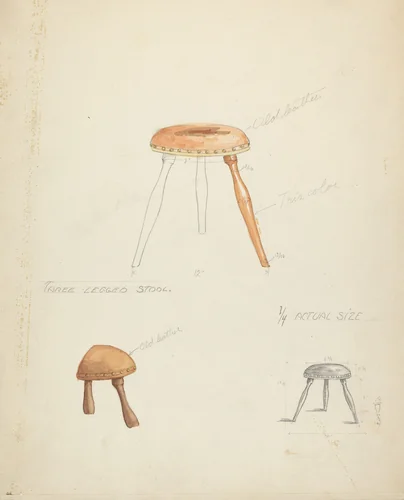
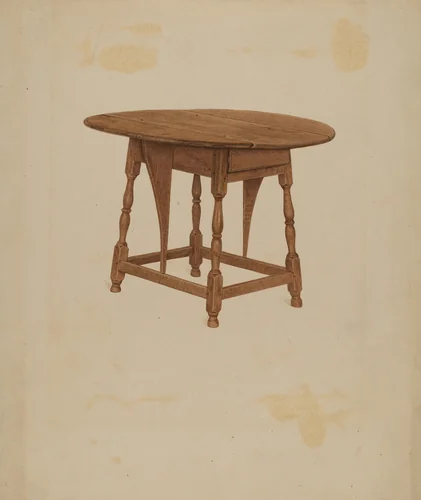
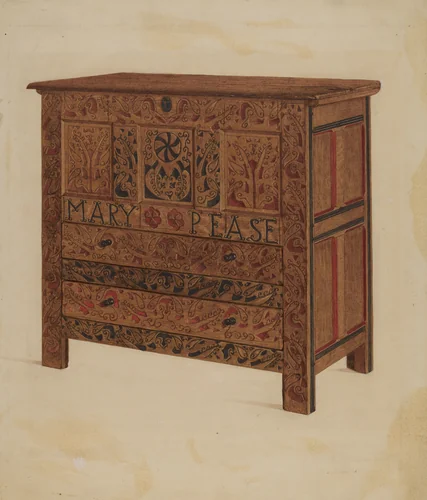
Lawrence Foster’s contributions to American visual culture are firmly rooted in the turbulent economic landscape of the mid-1930s. Active between 1935 and 1936, Foster was a key participant in the Index of American Design (IAD), a massive Federal Art Project established under the Works Progress Administration (WPA). This crucial initiative sought to document and preserve the nation’s legacy of decorative and folk arts, capturing historical objects often overlooked by traditional art historians.
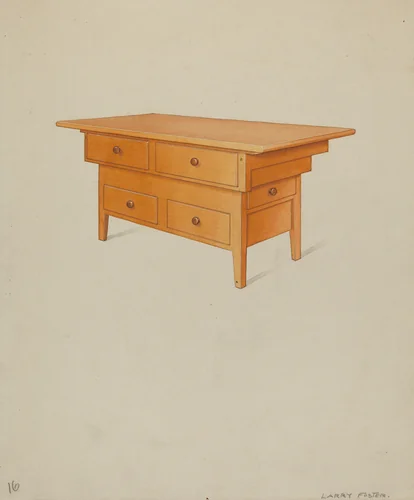
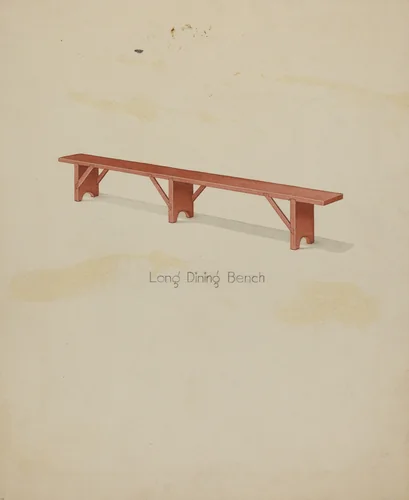
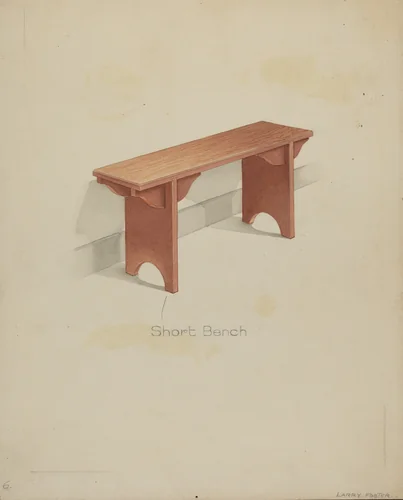
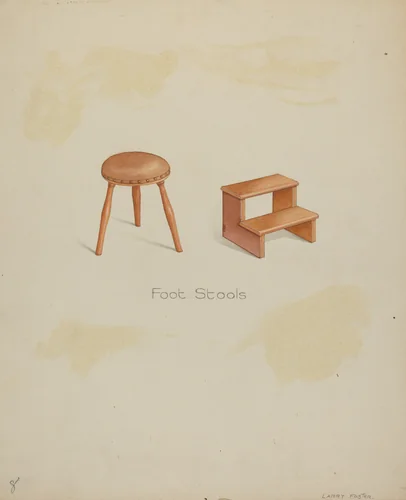
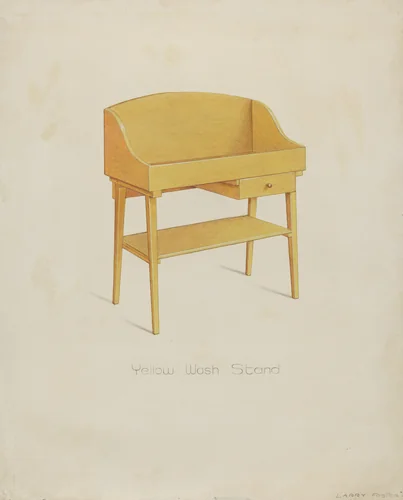
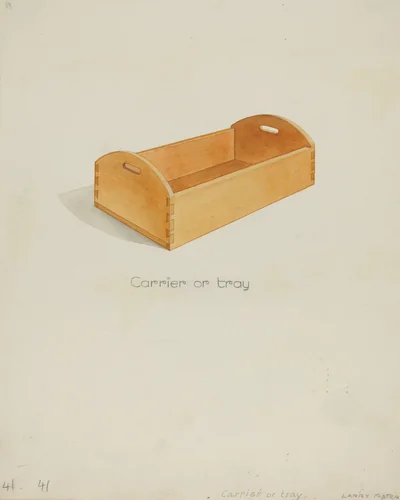
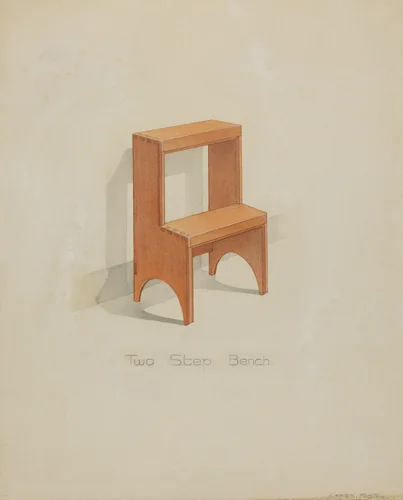
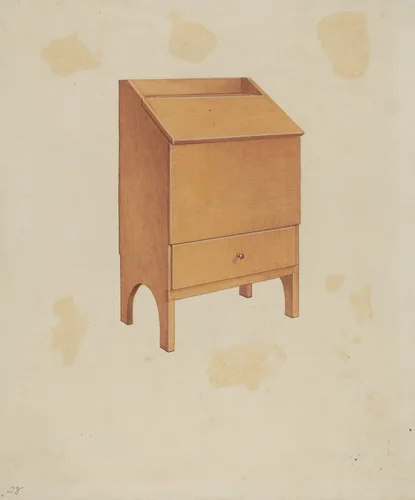
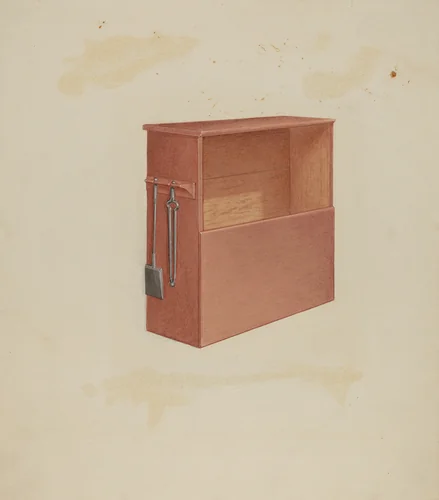
Foster specialized in meticulous, detailed renderings of early American artifacts, transforming mundane domestic items into subjects of serious artistic inquiry. His body of work, comprising illustrations for the "12 index of american designs," demonstrates a commitment to precise draughtsmanship and clarity of form. Works such as the sharply observed Dairy Counter and the geometric precision found in his series on Shaker furniture—including Shaker Short Bench, Shaker Long House Bench, and the functional symmetry of the Shaker Wash Stand—were executed with clinical objectivity. These studies provided both aesthetic interpretation and rigorous historical documentation, establishing a high standard for museum-quality illustration. The IAD project was instrumental in fostering public appreciation for vernacular American material culture, capturing the subtle beauty inherent in utilitarian design.
The enduring importance of these documents is reflected in their inclusion in preeminent collections, such as the National Gallery of Art. As works commissioned by the federal government, Foster’s designs often reside within the public domain. Consequently, scholars and enthusiasts can easily access Lawrence Foster prints, including high-quality prints and downloadable artwork, ensuring these historical records remain widely available for study and enjoyment.
It is perhaps fitting that an artist so dedicated to cataloging the rhythm and exact form of historical objects would also possess an exceptional ability to interpret and lead complex structures in another field. Lawrence Foster is also recognized as an American conductor of Romanian ancestry, a unique biographical detail that underscores an artist whose appreciation for organized composition extended far beyond the visual archive of the 1930s and into the realm of organized sound.
Source: Wikipedia · CC BY-SA 4.0