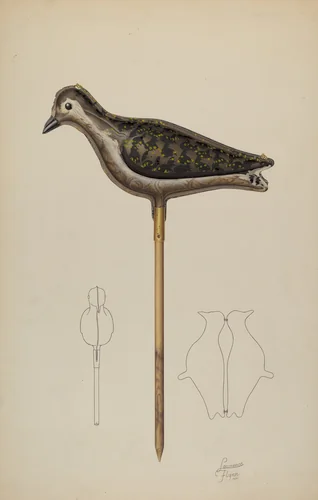
Lawrence Flynn
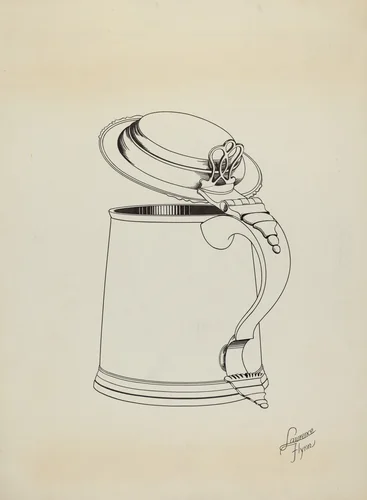
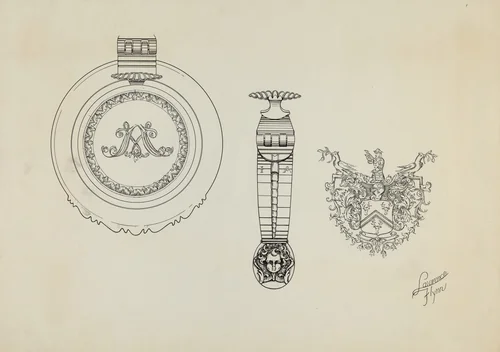
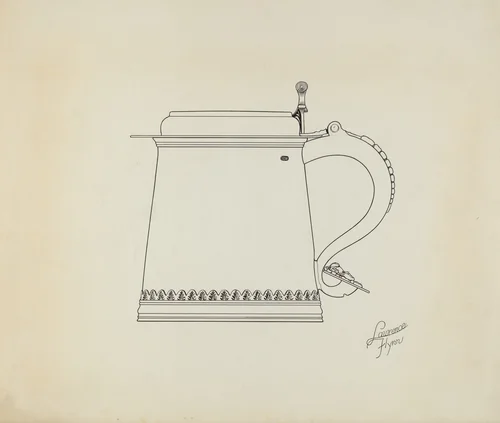
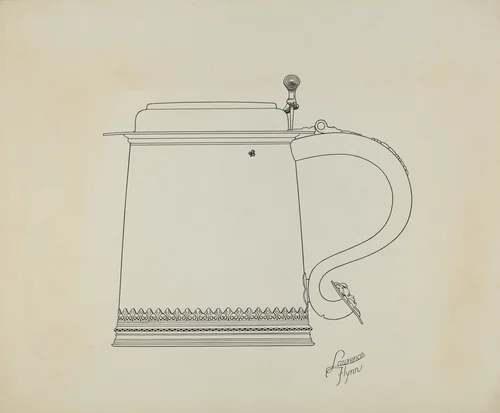
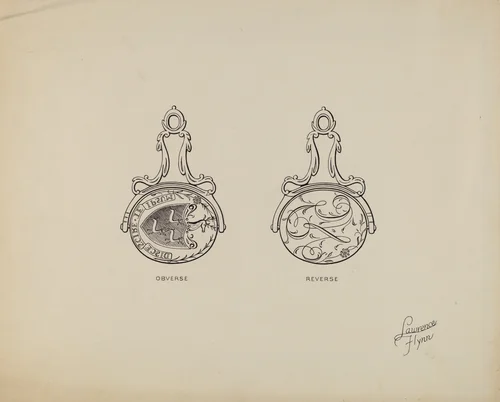
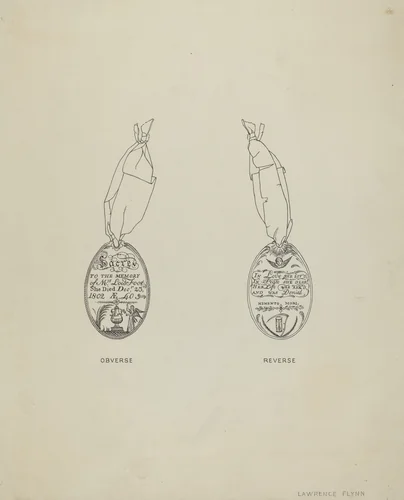
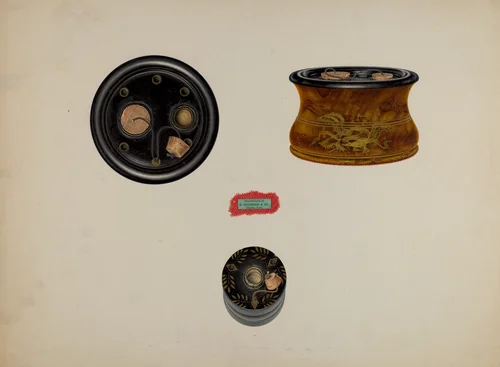
Lawrence Flynn (active 1935-1936) occupies an important, if specialized, position within the documentation of early American decorative arts. During his focused period of activity under the Federal Art Project (FAP), Flynn contributed fifteen detailed renderings to the comprehensive Index of American Design, a monumental initiative aimed at generating a historical record of US craft, folk traditions, and material culture before they were lost to modernization. His artworks are represented in major institutional holdings, including the collection of the National Gallery of Art.
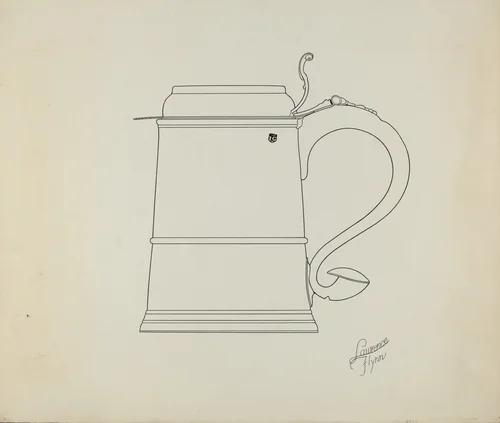
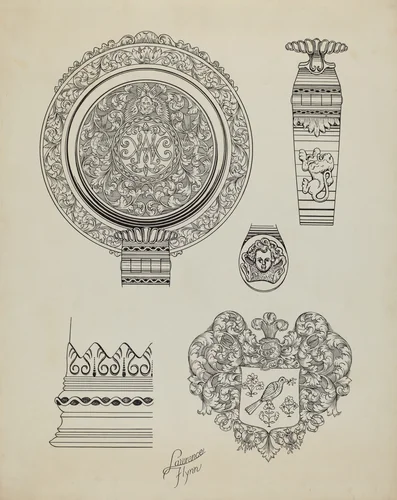
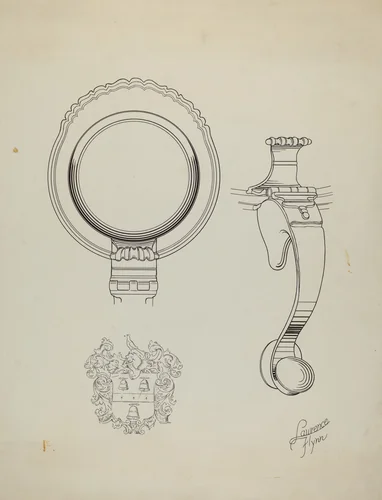
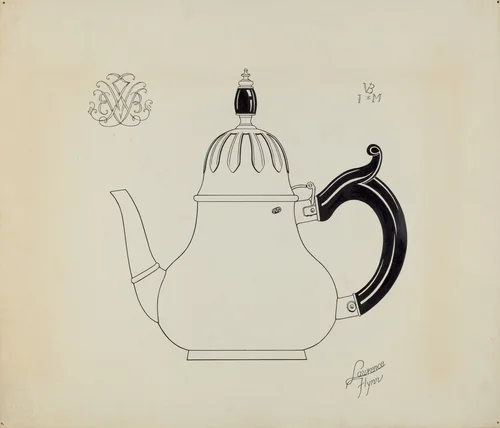
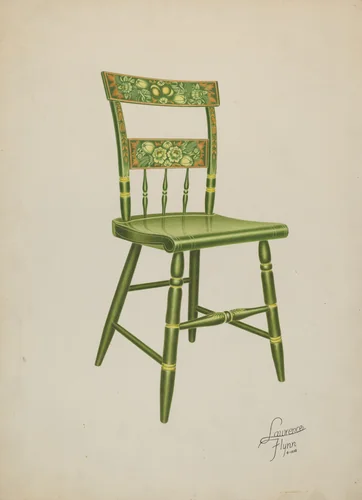
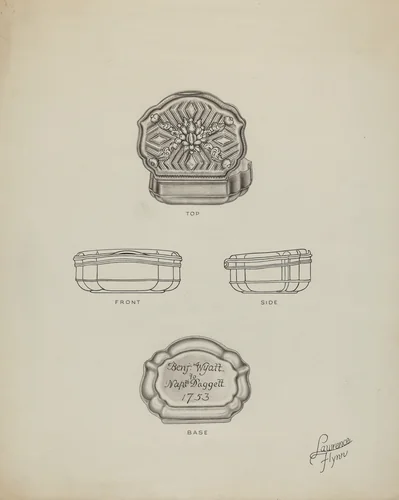
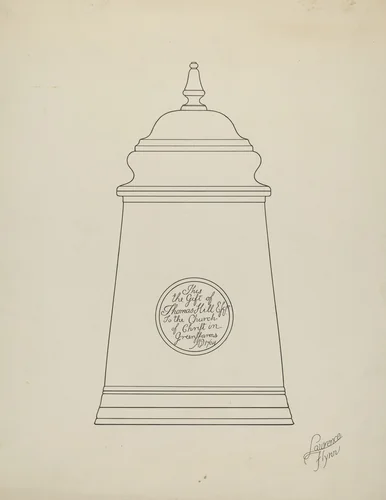
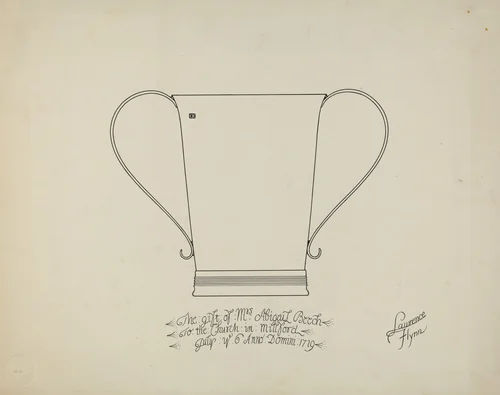
Flynn’s work was characterized by precise, objective realism, prioritizing technical accuracy over subjective interpretation. These pieces were intended to serve not as standalone subjective artworks, but as museum-quality visual reference documents for historians, designers, and artisans, capturing the dimensions and texture of objects spanning three centuries of American life. He demonstrated a meticulous eye for domestic utility and ceremonial objects alike. Key examples include the highly detailed study of metallurgical form in the Pewter Pitcher and the intricately crafted silver piece, the Silver Caudle Cup.
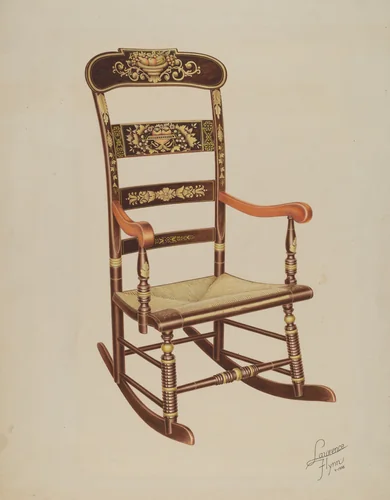
Furthermore, Flynn’s assignments showcased his deep understanding of furniture and woodworking techniques, particularly in renderings like the specific joint documentation for the Back of Hitchcock Chair and the volumetric analysis required for the Blanket Chest and the Chest (Front View). These illustrations helped establish the visual language for identifying regional styles and construction methods.
As works produced under the FAP, Flynn’s designs are now in the public domain, ensuring their widespread accessibility. They remain foundational resources for the study of American craft history, frequently utilized for educational purposes and available today as downloadable artwork and high-quality prints for scholars and collectors alike. While his primary legacy rests in the exacting 1930s documentation of material culture, Flynn’s life suggests an extraordinary duality. Six decades after his contributions to the Index, a man bearing the same name, Lawrence Flynn, achieved international recognition on an entirely different stage, competing for Canada at the 2000 Summer Paralympics where he earned a silver medal in men's standing volleyball. This striking biographical footnote demonstrates a lifetime dedicated both to the quiet, archival scrutiny of history and to the demanding realm of elite physical competition.
Source: Wikipedia · CC BY-SA 4.0