Lawrence Alma-Tadema
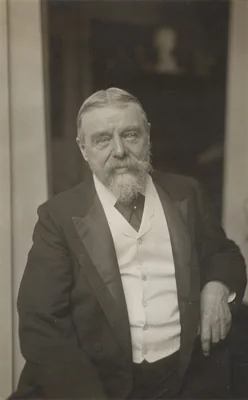
Sir Lawrence Alma-Tadema (1836-1912) was the preeminent Victorian interpreter of Classical antiquity, whose meticulous historical reconstructions profoundly shaped the popular perception of Roman and Egyptian daily life for generations. Born in Dronryp, the Netherlands, he received foundational training at the Royal Academy of Antwerp, establishing a technique rooted in detailed observation and compositional mastery.
Following the Franco-Prussian War, Alma-Tadema relocated to London in 1870. His assimilation into the British art establishment was both rapid and definitive; in 1873, he attained the status of denizen, becoming the last individual to be officially recognized under that legal distinction, thereby solidifying his commitment to his adopted nation.
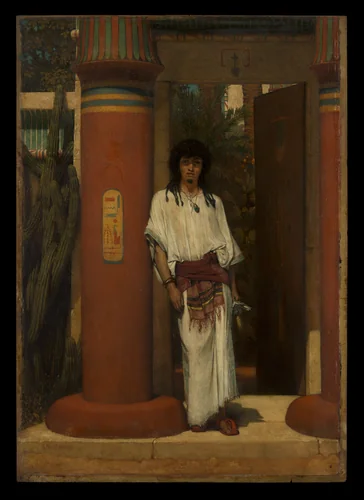
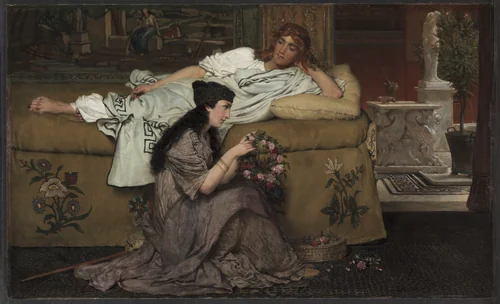
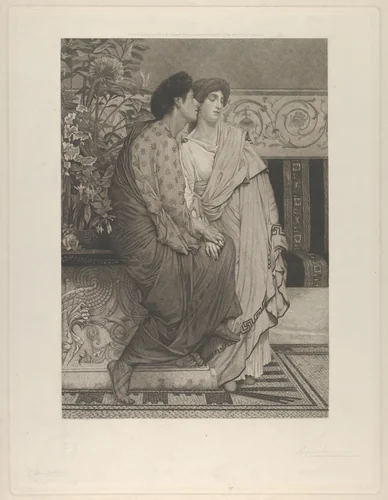
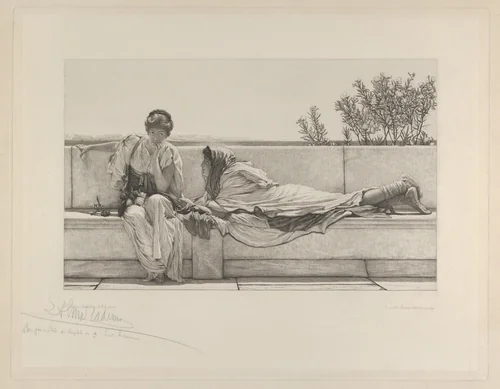
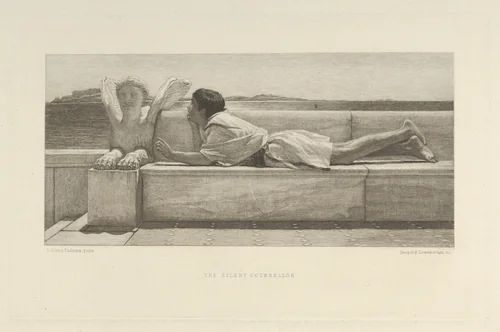
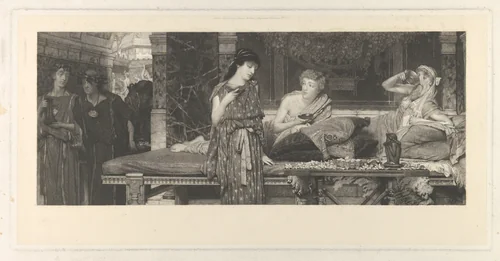
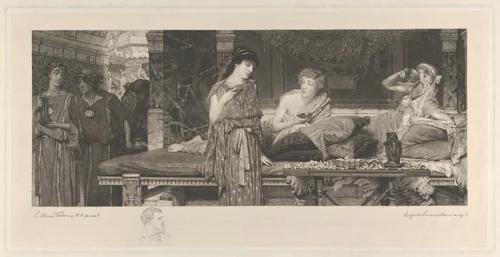
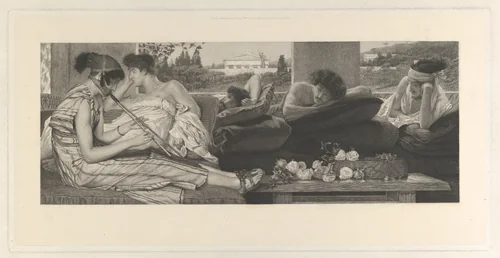
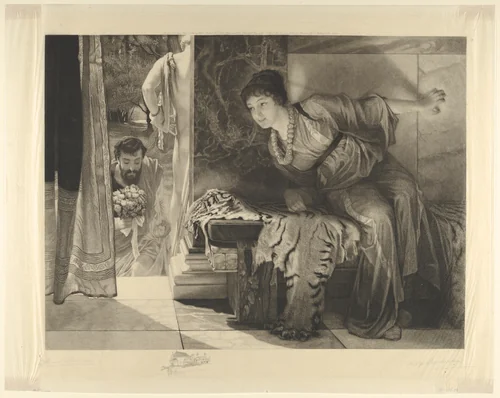
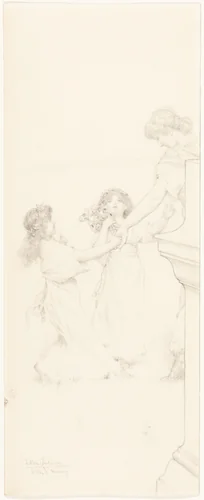
Alma-Tadema specialized in intimate genre scenes set within flawlessly rendered ancient surroundings. His style, active primarily between 1865 and 1891, perfected a high-gloss realism that lent an immediate presence to historical subjects. Whether depicting the quiet contemplation found in the early work An Egyptian in a Doorway or the subtle romantic narrative suggested by The First Whisper of Love, the artist consistently prioritized mood and atmosphere over momentous historical events.
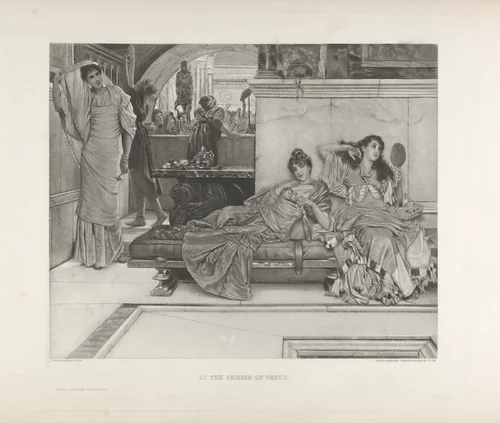
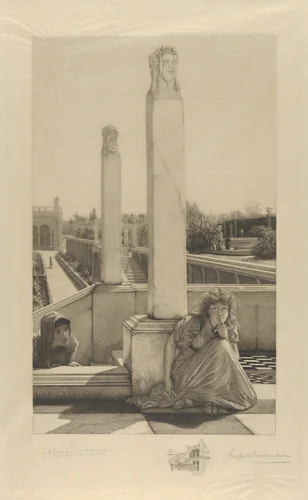
His distinctive technical genius lay in the faithful depiction of materiality, particularly the precise color and texture of sun-drenched Roman marble, a feature so fastidiously rendered that it sometimes threatened to overshadow the nuanced human dramas he embedded within the architecture. This rigorous attention earned his work a reputation that spanned both archaeological scholarship and fine art.
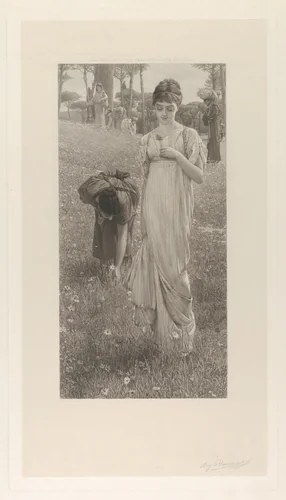
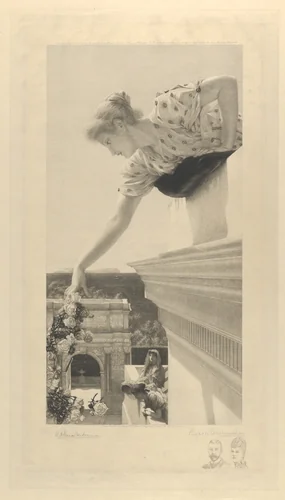
While his popularity suffered a temporary decline in the early twentieth century, Alma-Tadema has since regained his status as a critical master of classicism. Major collections, including the Metropolitan Museum of Art and the Cleveland Museum of Art, house significant examples of Lawrence Alma-Tadema paintings and associated media, such as the print Glaucus and Nydia. Today, the continuing influence of the artist is supported by the accessibility of his oeuvre. Many of his compositions, including the painting Autumn (Scene in a Roman Garden), are now in the public domain, allowing scholars and enthusiasts worldwide to access and study high-quality prints and downloadable artwork derived from his iconic, painstakingly crafted visions of antiquity.
Source: Wikipedia · CC BY-SA 4.0