Laurent de La Hyre
Laurent de La Hyre stands as a foundational figure in the development of French classicism during the early Baroque era. Born in Paris, his career spanned a critical period in French art history, coinciding with the crucial transition away from purely Italianate influence toward a distinctly Gallic sensibility. He is consistently identified as the foremost exponent of Parisian Atticism, a refined neoclassical current characterized by rigorous restraint, linear clarity, and intellectual polish.
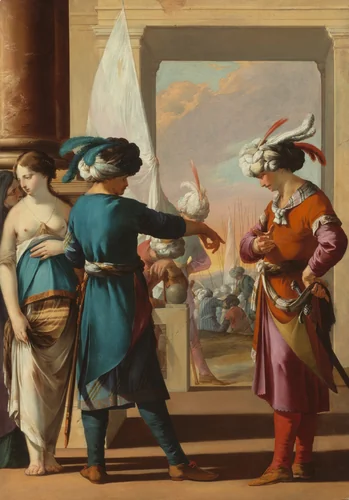
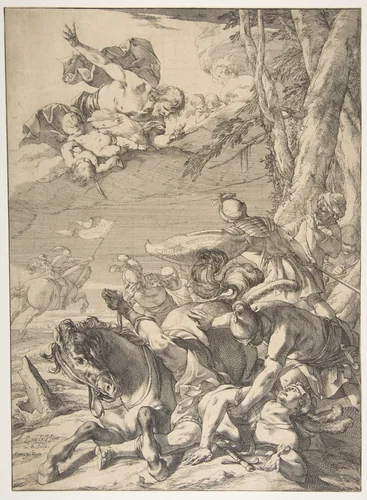
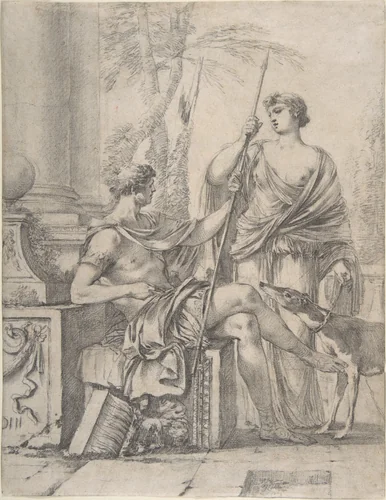
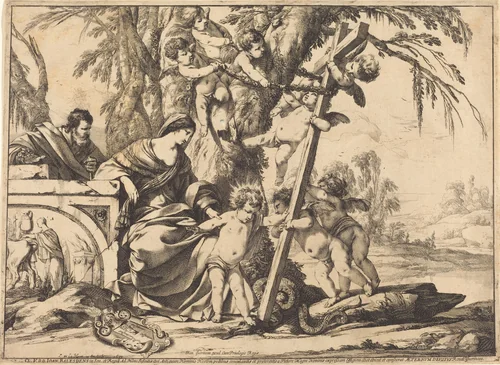
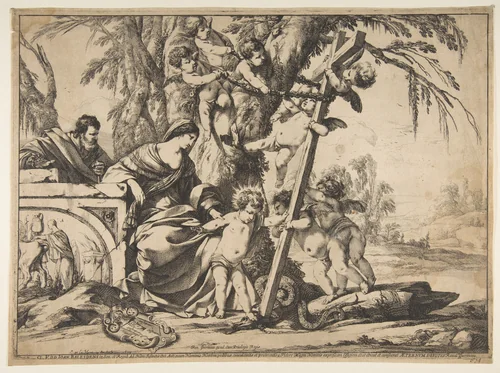
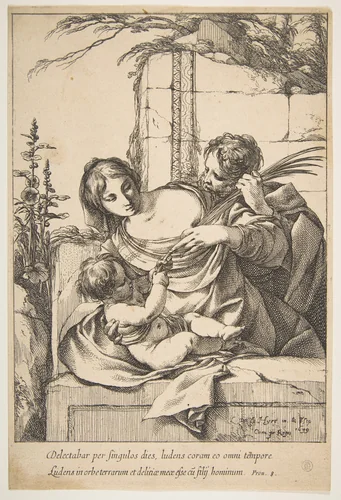
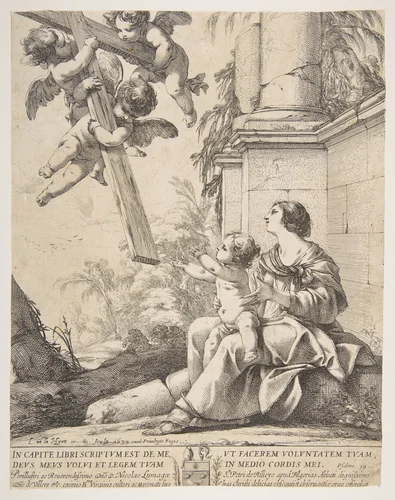
La Hyre’s approach privileged structural balance and erudition over the dramatic dynamism favored by many of his Roman and Flemish contemporaries. His compositions, whether profound religious subjects such as Christ and the Virgin at the Foot of the Cross and Circumcision, or complex mythological scenes like Diana and her Nymphs and Apollo and Clytie, demonstrate a meticulous attention to classical geometry. This emphasis on elegant forms and highly finished draughtsmanship defined the aesthetic preferences of influential Parisian collectors, positioning La Hyre at the epicenter of French academic taste long before the formal establishment of the Academy.
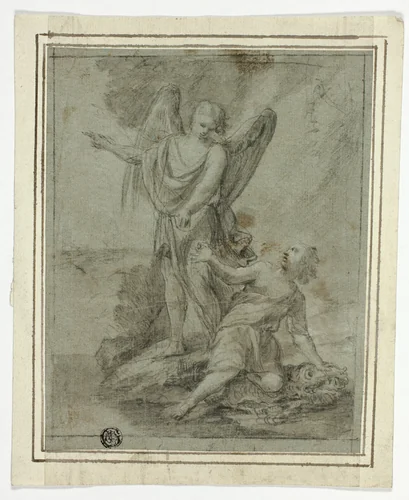
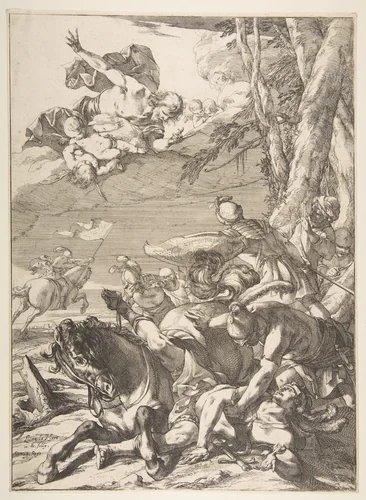
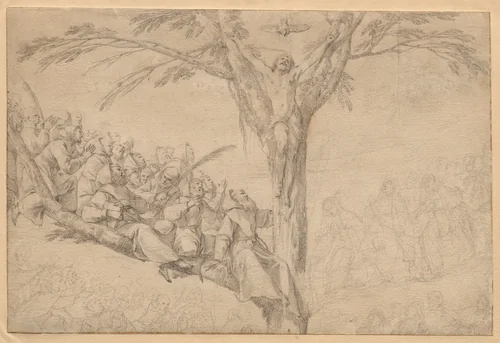
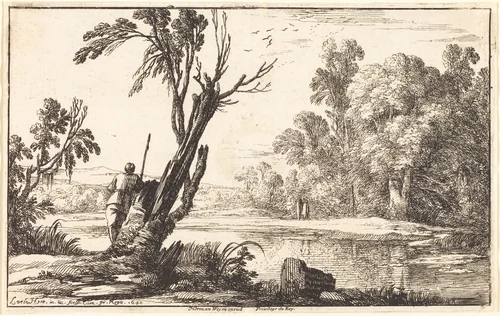
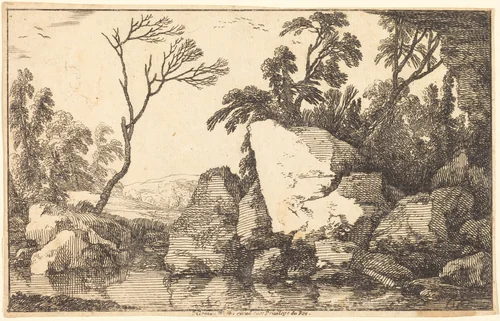
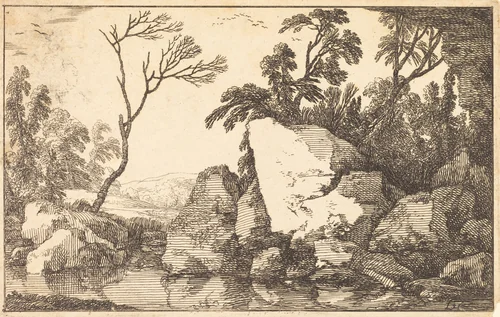
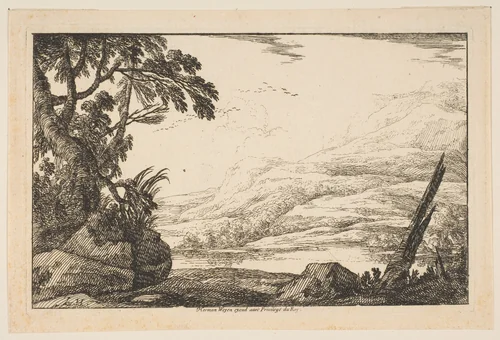
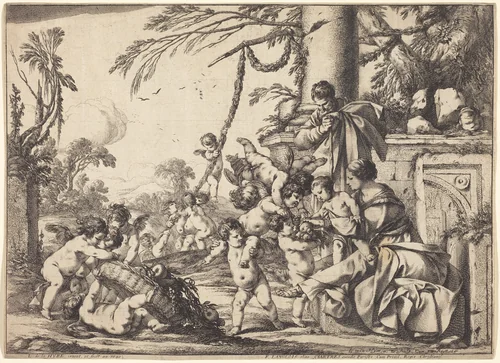
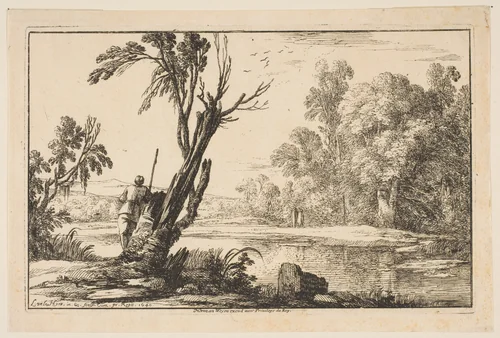
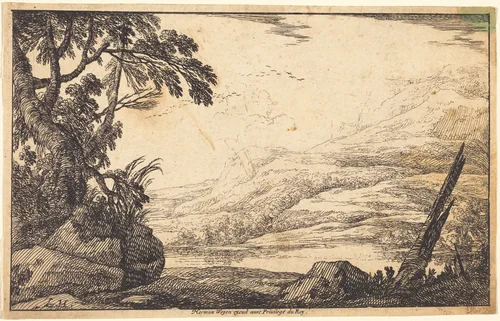
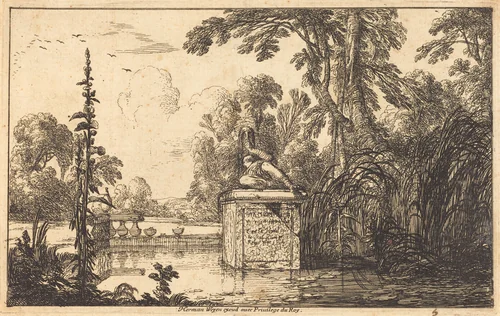
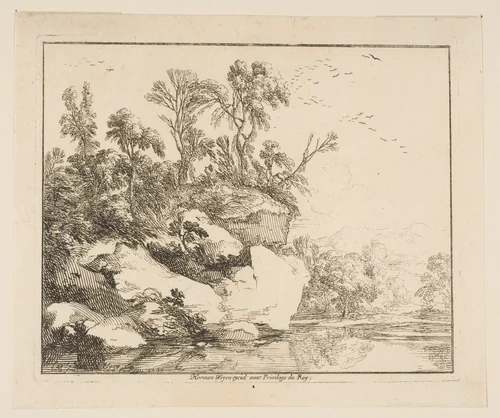
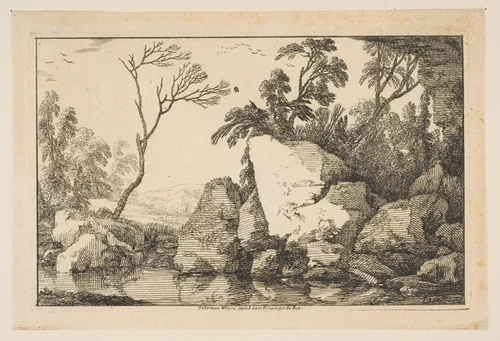
While celebrated for his monumental Laurent de La Hyre paintings, a significant portion of the artist’s output consisted of highly detailed and reproducible media. Surviving records, which catalogue twelve prints and two drawings, reveal an artist skilled across mediums, capable of translating complex narrative compositions to smaller scales with equal finesse. It is perhaps an understated observation that, given his prolific output of engravings and preparatory studies, La Hyre was already anticipating the broad dissemination of fine art access centuries before it became a standard practice.
Today, works by La Hyre are preserved in major international repositories, including the Metropolitan Museum of Art and the National Gallery of Art, affirming his high status in the canon of seventeenth-century art. Thanks to these institutional holdings, many of these historically significant pieces, including the study for Cephalus and Procris, are now in the public domain. This accessibility ensures that the legacy of this key master of French classicism continues to be studied and appreciated worldwide, offering scholars and enthusiasts access to high-quality prints and downloadable artwork that faithfully conveys the elegant precision of the original Laurent de La Hyre prints.
Source: Wikipedia · CC BY-SA 4.0