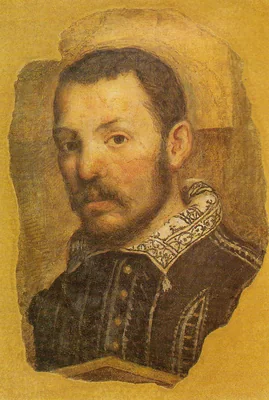
Lattanzio Gambara
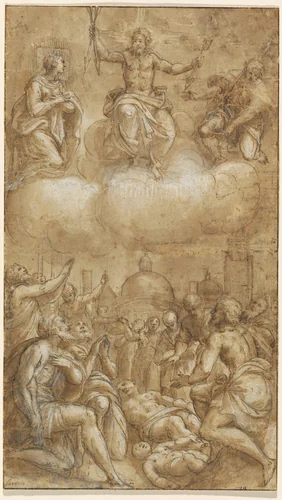
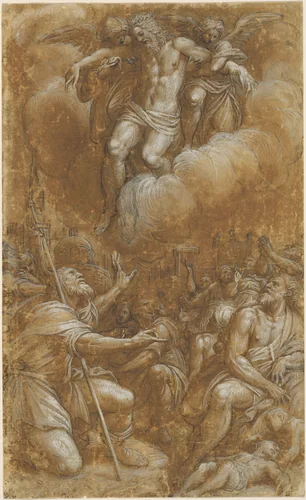
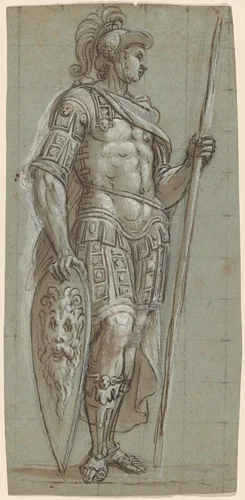
Lattanzio Gambara (active circa 1500-1572) stands as an essential figure in the history of Italian painting, bridging the transition from the High Renaissance ideal to the dramatic tension of Mannerism. Active primarily in northern Italy, Gambara’s legacy rests upon his prolific output of monumental fresco cycles, alongside a compelling body of preparatory drawings that detail his mastery of both architectural and figurative design.
Historical records suggest that Gambara is the individual referenced by the titles Lattanzio Cremonese or Lattanzio da Cremona, an ambiguity common among sixteenth-century artists often known by their regional origin. Regardless of the nomenclature, his output reveals an artist deeply engaged with the challenges of large-scale decoration. His drawings, twelve of which are cataloged in major American collections like the Metropolitan Museum of Art and the National Gallery of Art, offer profound insight into his working methodology.
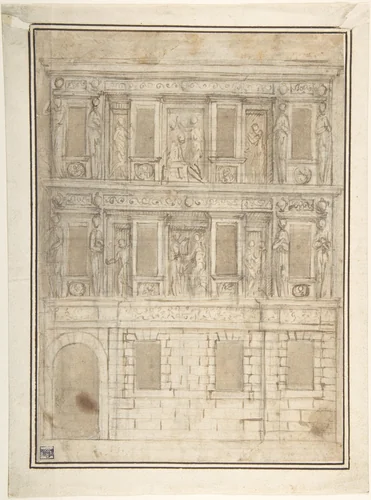
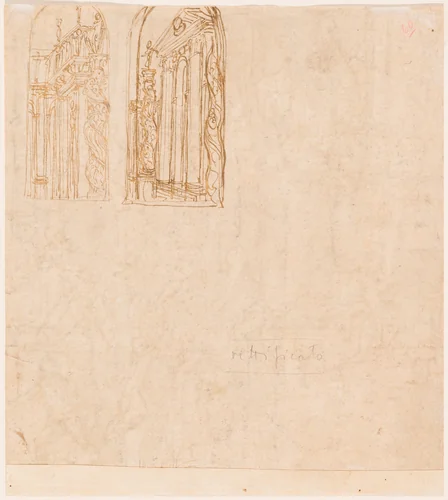
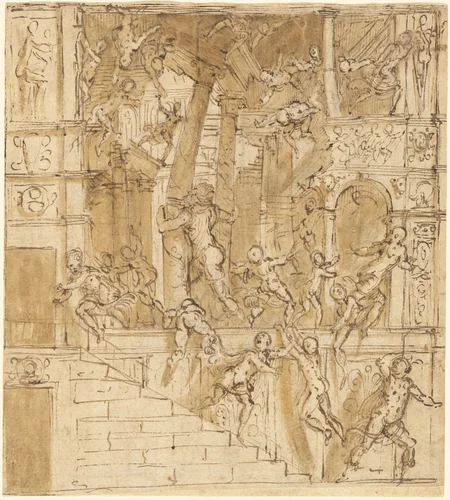
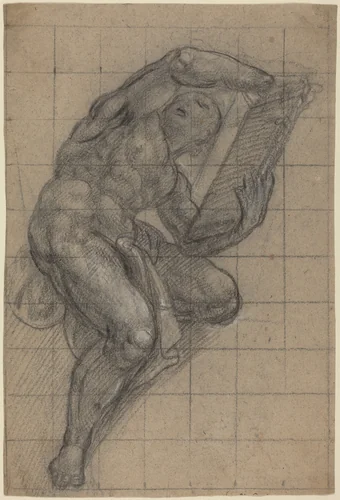
Works such as Project for a Façade Decoration (recto) and Two Architectural Studies confirm his comprehensive approach to design. Gambara often conceived the decorative scheme holistically, integrating classical architectural elements with illusionistic painted narratives. This structural thinking is contrasted by the dynamic figurative compositions he produced, such as the forceful study Samson Destroying the Temple, which captures the kinetic energy and narrative intensity favored by Mannerist sensibilities.
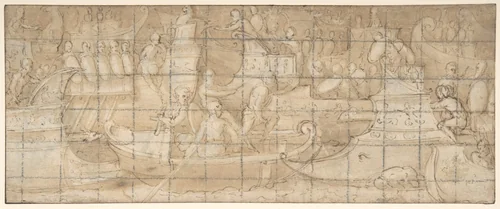
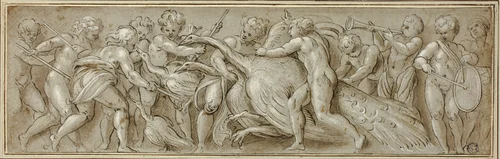
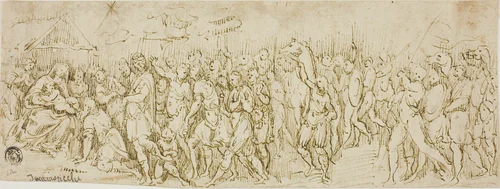
The dual nature of his creative interests is frequently found even within single sheets. For instance, the preparatory study featuring Antique Naval Battle (recto) is reversed by the brisk execution of A Battle Scene (verso), showing a consistent, robust intellectual approach to military history and myth. It is a quiet observation on the period that an artist capable of such epic, large-scale spiritual narratives also took meticulous care detailing the small, whimsical charm of compositions like Putti with Peacocks and Musical Instruments.
Gambara’s work, much of which remains site-specific, continues to influence contemporary scholarship. Today, access to the technical brilliance of Lattanzio Gambara paintings and drawings is expanding globally. While the originals reside in museum-quality collections, high-quality prints derived from his preparatory studies are increasingly available as downloadable artwork in the public domain, ensuring his contribution to sixteenth-century art remains visible and inspiring.
Source: Wikipedia · CC BY-SA 4.0