Lasar Segall
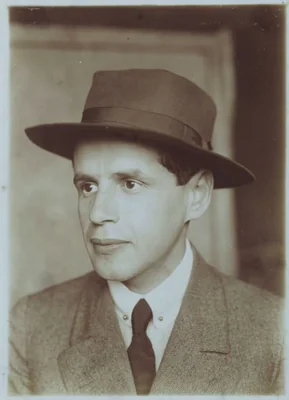
Lasar Segall (1889-1957) stands as a crucial transnational figure in the emergence of twentieth-century avant-garde sensibilities, uniquely positioned between his native Lithuania, the German art scene, and his adopted home, Brazil. A highly skilled painter, sculptor, and particularly potent engraver, Segall’s career spanned a significant stylistic evolution, moving past early Impressionism to fully embrace the deeply psychological concerns of Expressionism and Modernism.
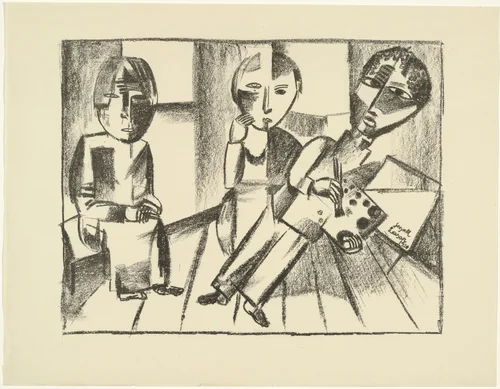
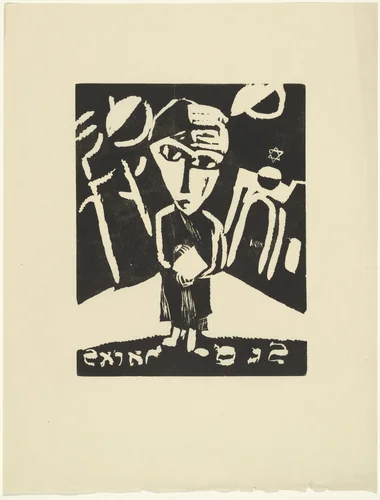
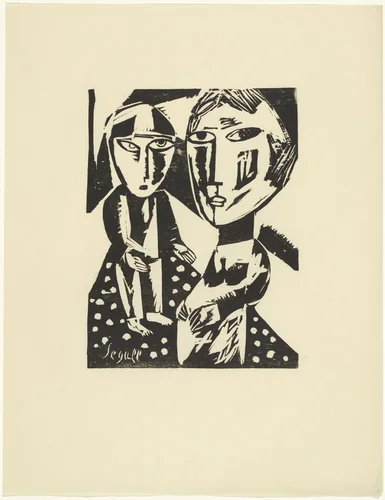
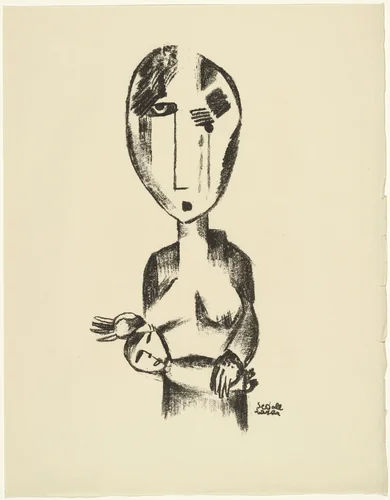
Segall was never content merely to observe; his practice became a critical mechanism for examining persistent human suffering. His central thematic repertoire revolved around social displacement and vulnerability, featuring stark depictions of war, persecution, poverty, and prostitution. During his productive tenure in Germany in the 1920s, his graphic output achieved a formidable intensity. Segall contributed lithographs to influential periodicals, such as Kündung, where pieces like the emotionally charged portraits Praying Boy, Widow and Child, and Young Beggar appeared in 1921.
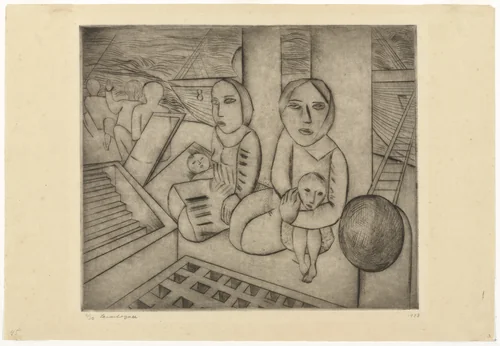
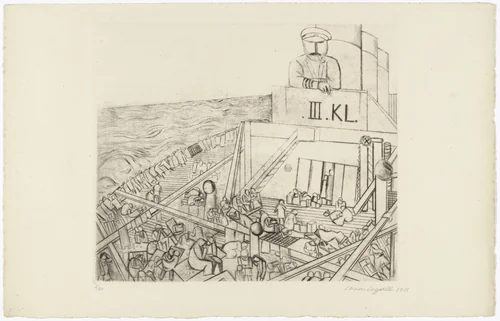
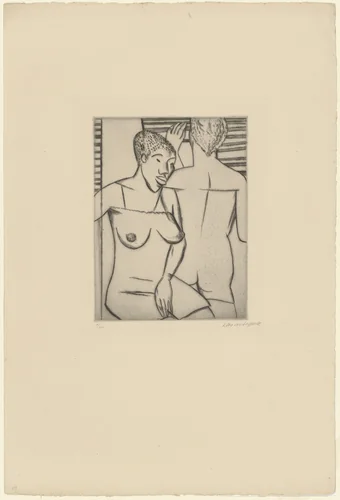
These works are defined by an economy of line and an unwavering emotional focus, translating the fragility of existence into visually heavy, monumental forms. While recognized primarily for his powerful Lasar Segall paintings, Segall’s prints articulate the political and ethical commitments of his era with acute clarity. This dedication is perhaps best captured in the series Emigrants, which included the unsettling Group of Emigrants on Deck. This body of work transforms the personal trauma of transit into universal symbolism concerning exile and the precariousness of modern identity.
It is perhaps ironic that an artist so deeply focused on the itinerant and the marginalized now has his essential narratives secured in major collections globally. Today, the enduring impact of his graphic legacy ensures that high-quality prints and downloadable artwork derived from his most important series remain accessible. His pioneering work in bridging European radicalism with nascent South American modern art cemented his status, ensuring that his deeply empathetic vision persists, often entering the public domain for continued contemplation and study.
Source: Wikipedia · CC BY-SA 4.0