Lambertus Antonius Claessens
Lambertus Antonius Claessens, often recorded as Lambert Antoine Claessens, was a critical figure in the late 18th-century European print market, uniquely bridging Flemish artistic tradition with leading British and French engraving techniques. Operating as an engraver, print artist, and publisher, Claessens defined the role of the modern reproductive artist in the transitionary period leading up to the Napoleonic Wars. Active primarily around 1792, his career was marked by a commitment to technical precision and a strategic focus on distributing high-demand imagery across the continent.
Claessens began his artistic formation in Antwerp, initially training as a landscape painter. This early grounding in composition provided the structural awareness necessary for his later shift to graphic arts. The defining phase of his education, however, occurred in London, where he entered the studio of the celebrated Italian expatriate, Francesco Bartolozzi. Studying under Bartolozzi endowed Claessens with mastery over intricate engraving styles, essential for achieving the subtle tonalities demanded by the burgeoning market for museum-quality prints. Following this crucial English sojourn, Claessens maintained an international trajectory, establishing important working periods in major cultural hubs including Amsterdam and Paris.
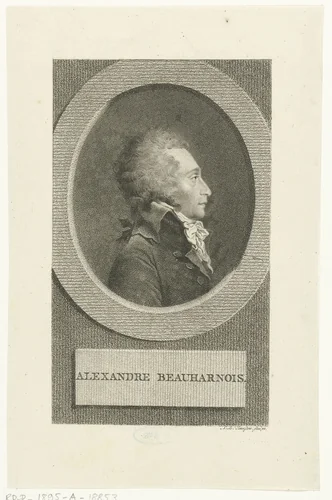
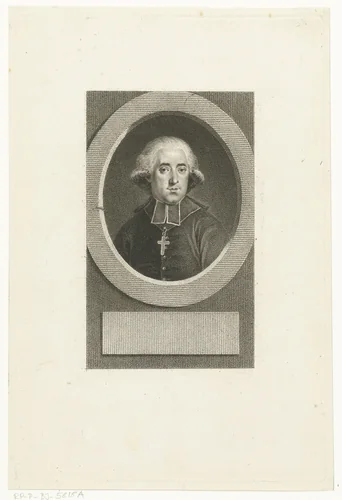
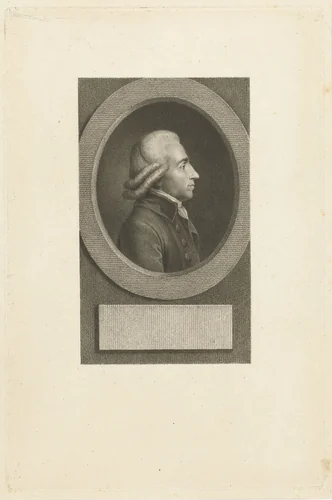
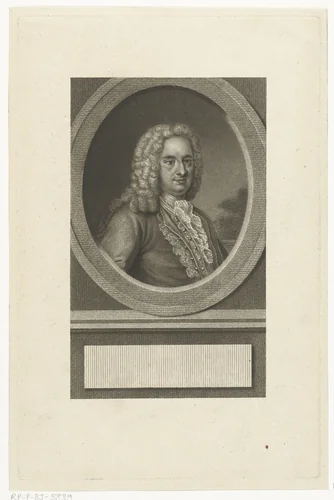
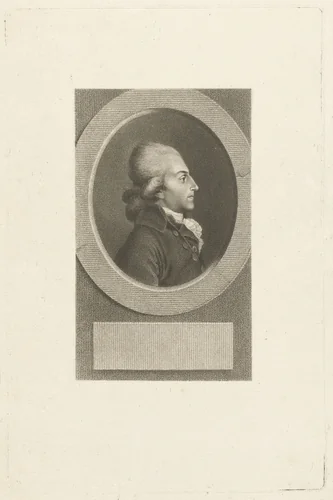
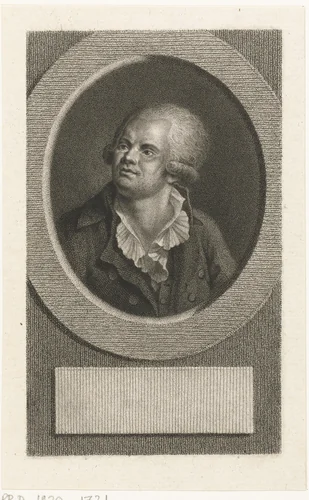
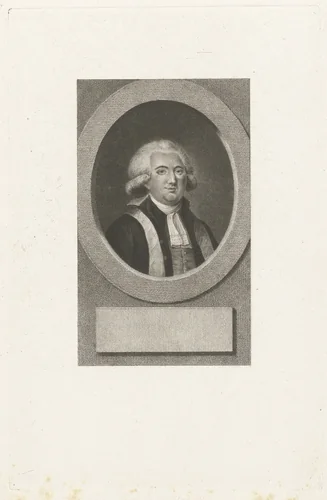
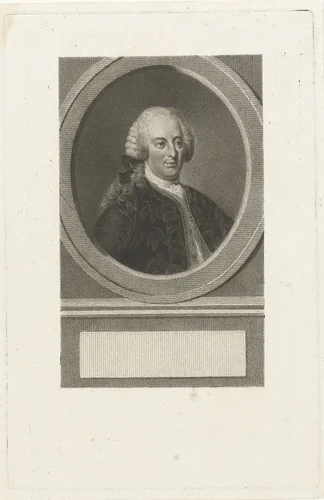
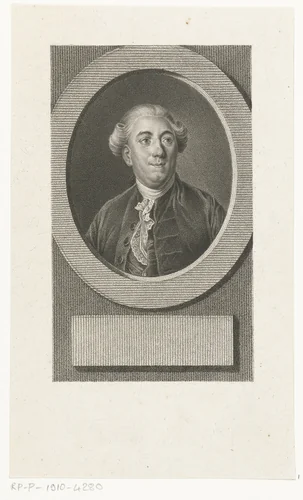
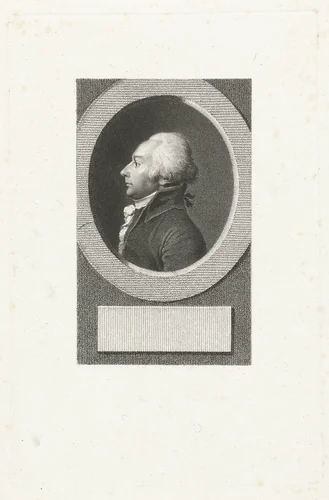
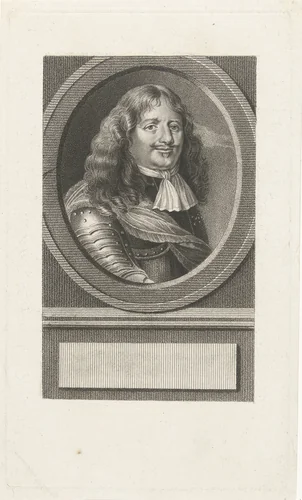
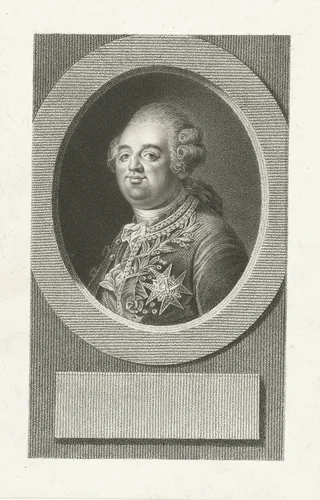
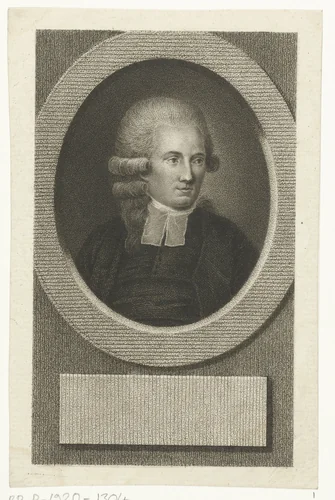
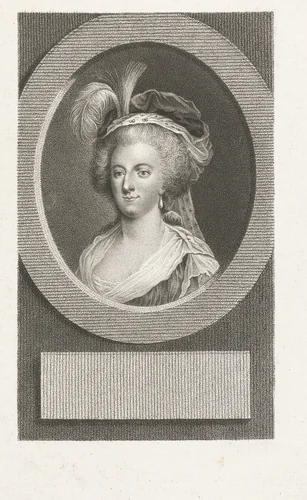
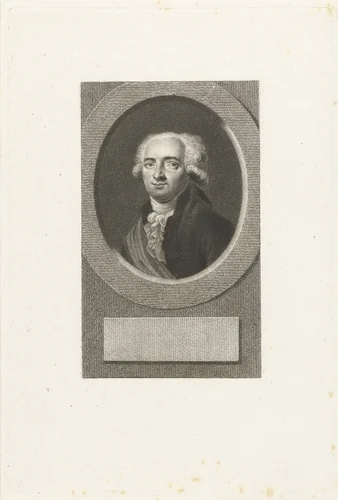
The core of Claessens’s output consisted of reproductive prints, a vital function in an era preceding mechanical reproduction. He operated not merely as a technician, but as a visual translator, interpreting the light, texture, and nuance of oil paintings into the exacting linear language of the copperplate. His greatest professional demand involved contemporary portraiture, ensuring that the visages of political and cultural leaders were widely disseminated. Notable among the Lambertus Antonius Claessens prints are formal depictions like Portret van Claude Fauchet, Portret van Emanuel Joseph Sieijes, and the authoritative Portret van Alexandre Beauharnois. It is perhaps slightly ironic that an artist whose fame rested on reproducing the work of others is best remembered today for giving visibility to powerful men who might otherwise have been eclipsed by subsequent generations.
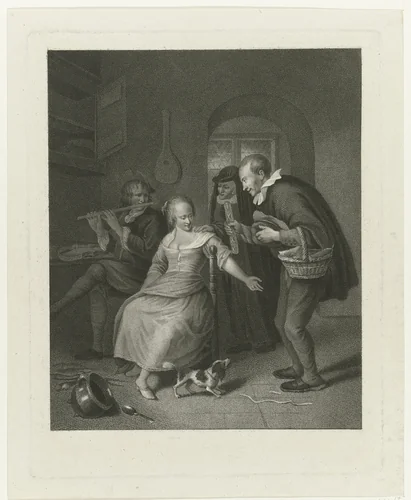
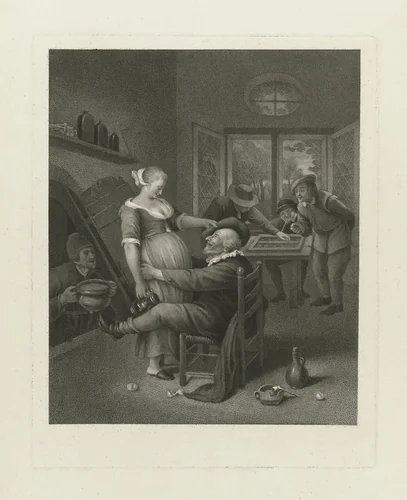
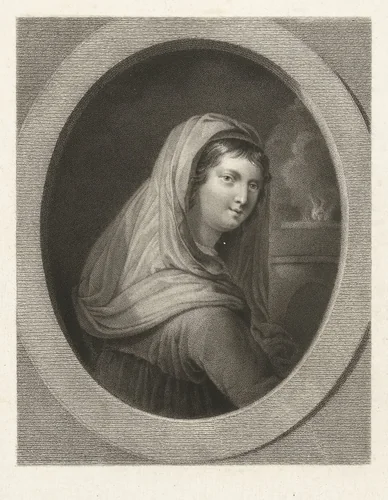
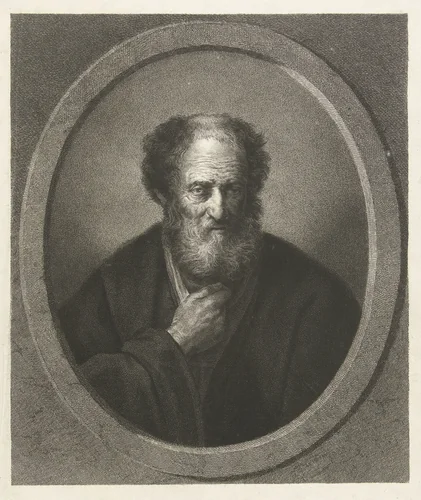
While celebrated for formal portraiture, Claessens also engaged with genre scenes, evidenced by plates such as Kroegscène met oude man en jonge vrouw. His ability to capture both the highest strata of European society and the common daily life of the populace underscores his commercial adaptability. Today, institutional holdings, most prominently the Rijksmuseum, maintain collections of his work, confirming his status as a master engraver whose contributions shaped the visual culture of the late Enlightenment.
Source: Wikipedia · CC BY-SA 4.0