Lambert Lombard
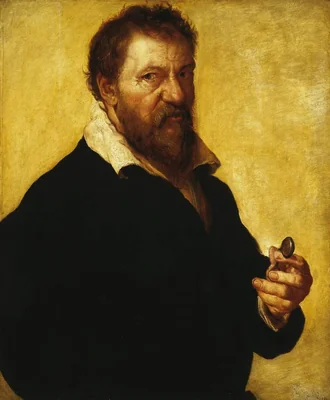
Lambert Lombard (c. 1505-1566) stands as a foundational, yet understated, figure of the Northern Renaissance, recognized equally as a painter, architect, and influential art theorist within the political and cultural sphere of the Prince-Bishopric of Liège. Active during the transitional decades between 1515 and 1526, Lombard was instrumental in translating the ideals of Italian High Renaissance classicism to the Low Countries, shaping the visual culture of the region for generations.
Lombard’s professional ascent was marked by high-level collaborations and educational endeavors. He benefited from close association with Jan Gossaert in Middelburg, a relationship that exposed him to contemporary international humanist discourse and sophisticated Mannerist trends. This theoretical grounding informed his own pedagogical practice, most notably during his mentorship of Frans Floris, whose subsequent career solidified Lombard's influence on the course of Antwerp Mannerism. Unlike many contemporaries who prioritized mere execution, Lombard championed rigorous drawing and theoretical study, ensuring his pupils were educated not just as craftsmen but as sophisticated practitioners knowledgeable in history, geometry, and anatomy.
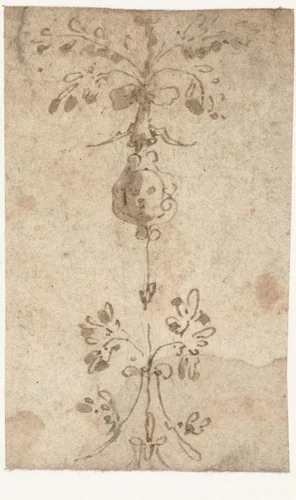
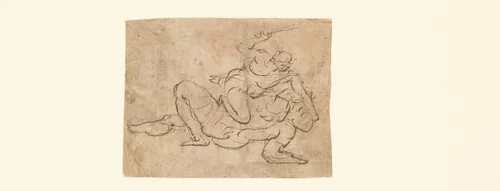
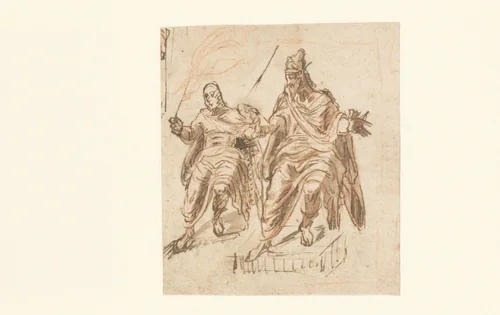
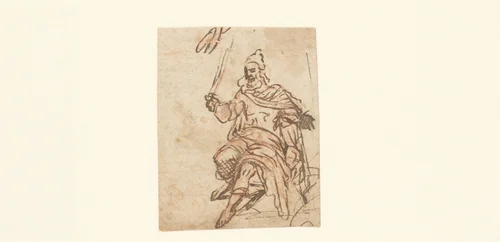
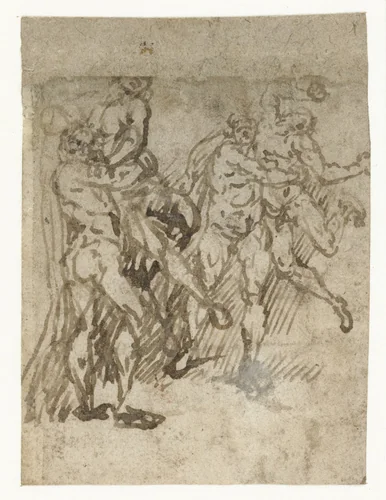
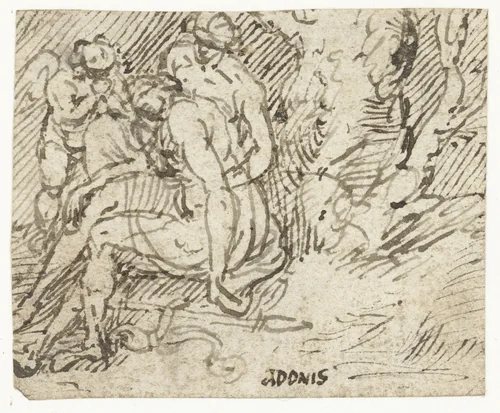
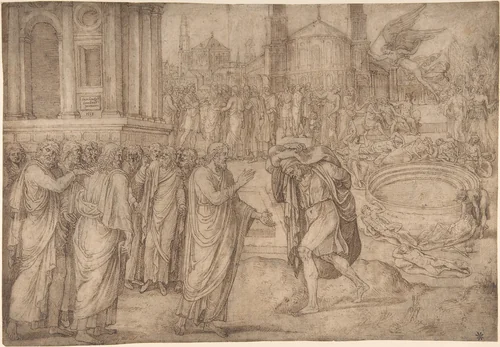
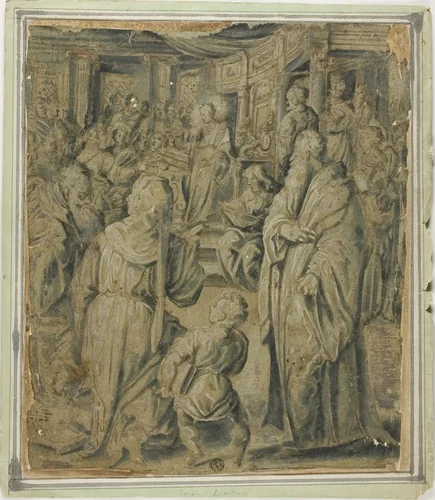
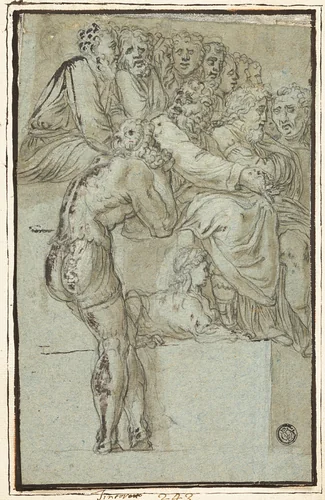
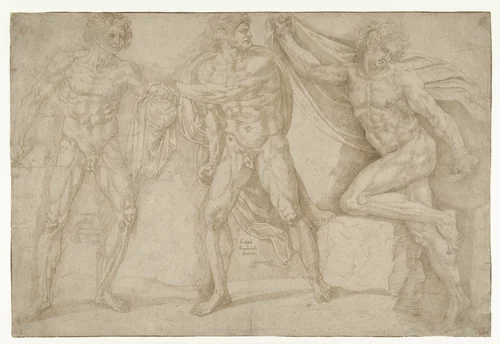
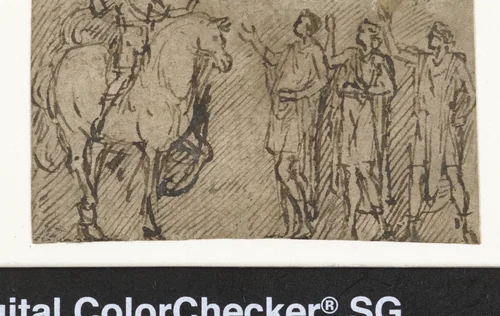
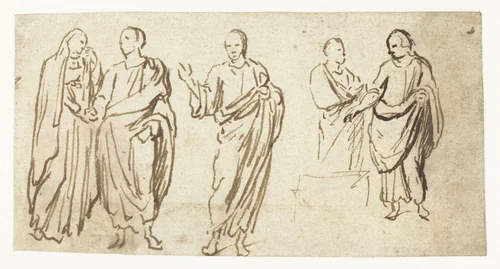
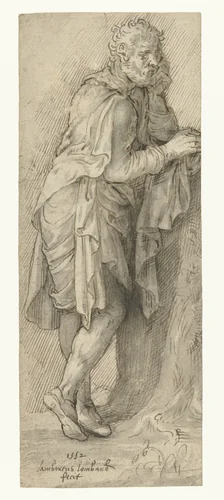
While records suggest he executed large-scale Lambert Lombard paintings, Lombard’s extant legacy rests predominantly upon his precise drawings. Fifteen documented examples survive in major collections globally, demonstrating a rare architectural discipline applied to ornamentation and the human figure. Works such as Kandelaber met een masker en boeketten reveal an almost archaeological approach to classical motif. His command of form was so rigorous that sometimes, even when tackling subjects demanding action, such as David onthoofdt Goliath, the resulting composition feels less like dynamic violence and more like a carefully orchestrated, high-stakes ballet.
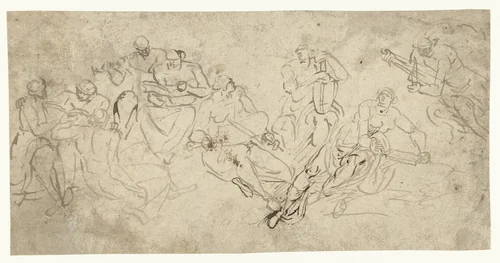
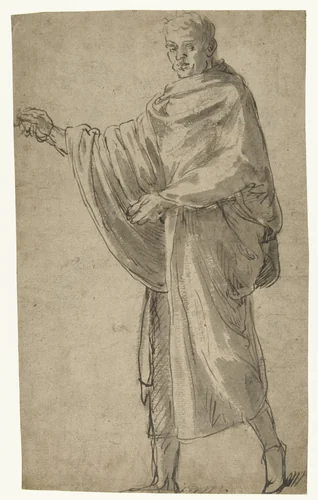
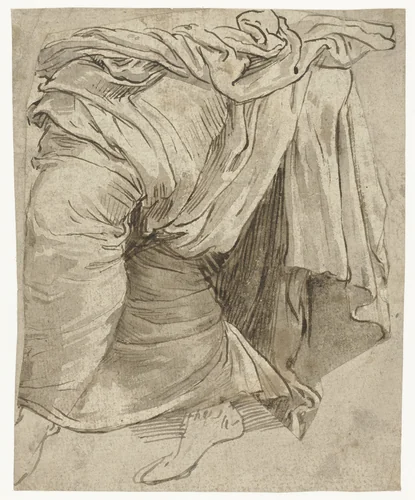
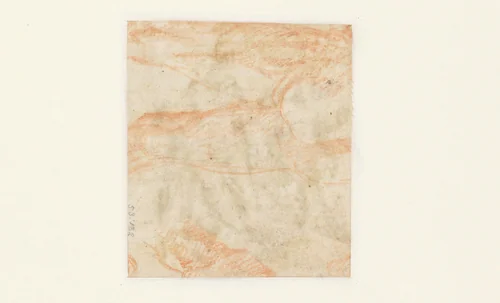
Lombard’s studies, including the meticulously observed Studie van een draperie, exemplify the training method he imparted. These foundational works are preserved in elite collections, including the Rijksmuseum, the Metropolitan Museum of Art, and the Art Institute of Chicago. Fortunately for scholars, many of these key studies, such as the mythological grouping Apollo, de Muzen en Mercurius, have entered the public domain and are available as downloadable artwork. This accessibility ensures that the meticulous, museum-quality rigor that defined this pivotal Renaissance theorist continues to inform contemporary appreciation.
Source: Wikipedia · CC BY-SA 4.0