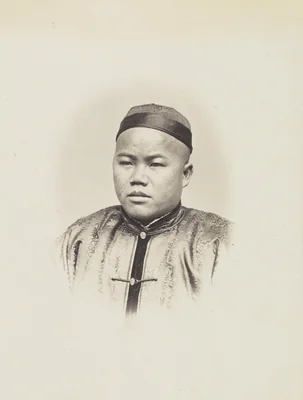
Lai Afong
Lai Afong (also known as Lai Fong) holds a preeminent position in the history of Chinese photography, widely acknowledged as the most significant and influential practitioner of the medium during the nineteenth century. His fame rests upon his establishment of Afong Studio, which operated out of Hong Kong and is consistently cited by historians as the most commercially successful photographic establishment of the late Qing dynasty.
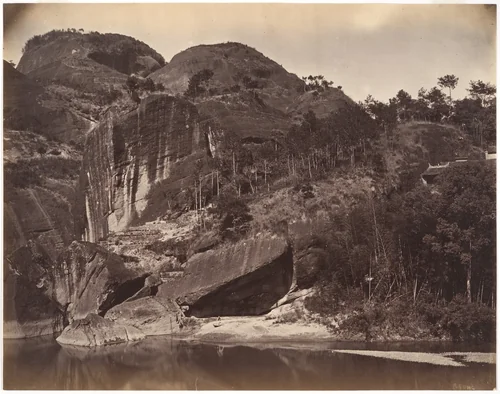
Lai Afong’s longevity and technical mastery allowed him to capture China during a pivotal era of internal change and external pressure. His sophisticated compositions, often executed using the demanding wet-plate collodion process, resulted in photographs of exceptional clarity and detail, producing the kind of large-format, museum-quality images demanded by discerning international clients. His output established the standard for photographic documentation of the built environment and natural wonders across southern China.
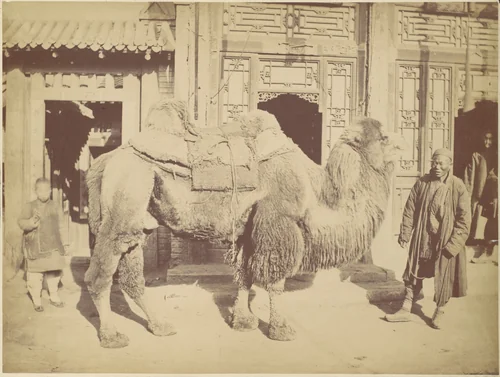
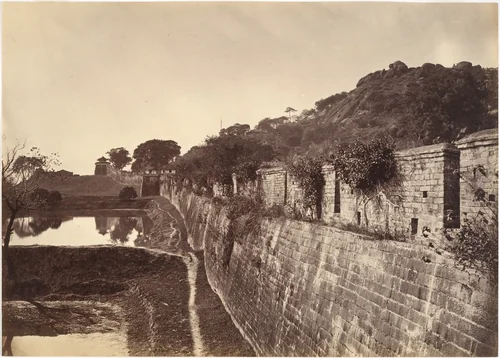
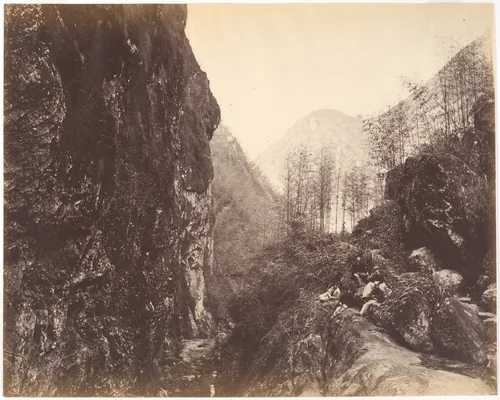
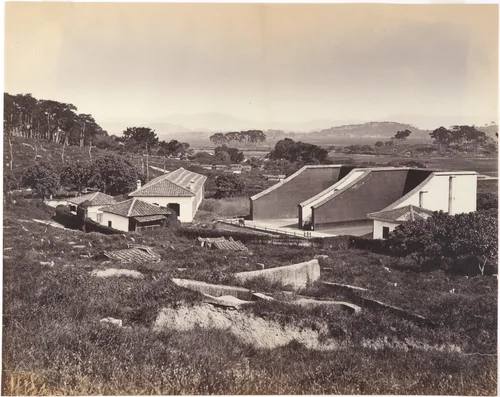
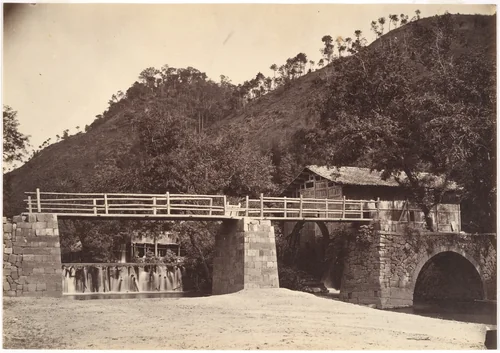
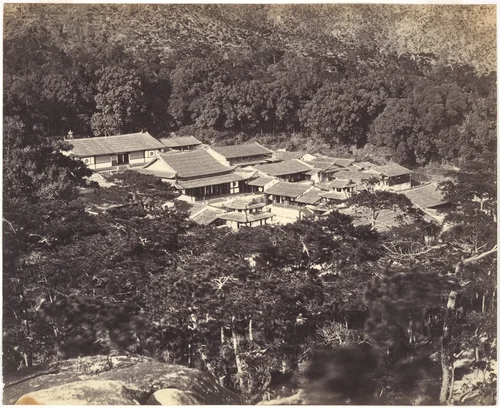
The extant works, though cataloged sparsely—only fifteen confirmed plates are held in major collections, including the Metropolitan Museum of Art—reveal his meticulous approach to framing. Titles such as Pekin. No. 923 and A Portion of the Citywall, Foochow showcase a deep understanding of architectural scale and pictorial balance. The visual language employed in plates like Bankers Glen Yuen Foo Monastery expertly balances the demands of scientific documentation with a distinctive aesthetic sensibility.
While many of his contemporaries focused primarily on catering to the Western market’s taste for the purely exotic, Afong managed to integrate a nuanced local sophistication into his visual vocabulary. This balance between documentary necessity and artistic grace largely accounts for the Afong Studio's unparalleled commercial dominance in the latter half of the century. Though the active cataloged period appears concentrated around 1867 to 1869, his studio's influence spanned decades. Given the age of his images, his important body of work is now frequently found in the public domain, ensuring that these high-quality prints remain accessible for historical research and appreciation, providing a magnificent visual legacy of nineteenth-century China.
Source: Wikipedia · CC BY-SA 4.0
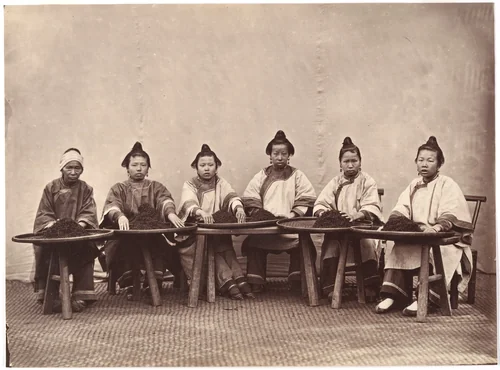
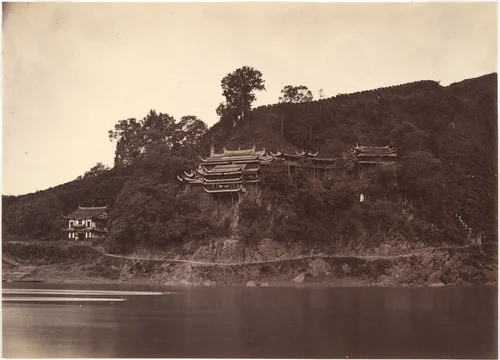
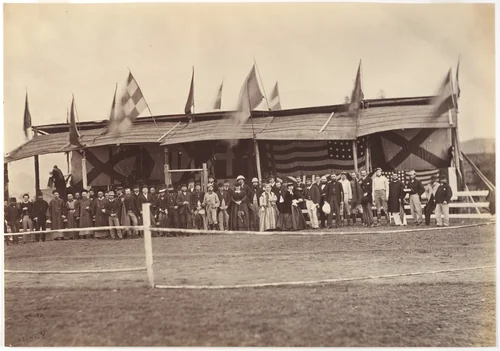
![[Group Portrait near Fangguangyan Monastery, Fujian] by Lai Afong, photograph, 1869](https://img.artbee.org/1ecf836a-46f2-4aa3-95a5-62fe83c74959/small.webp)
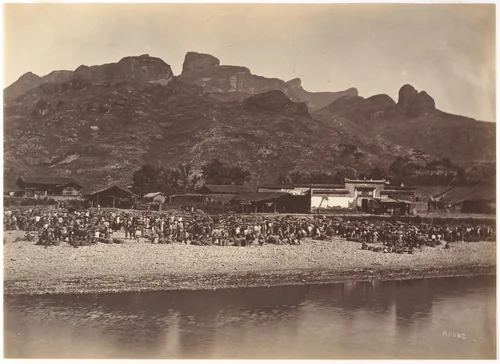
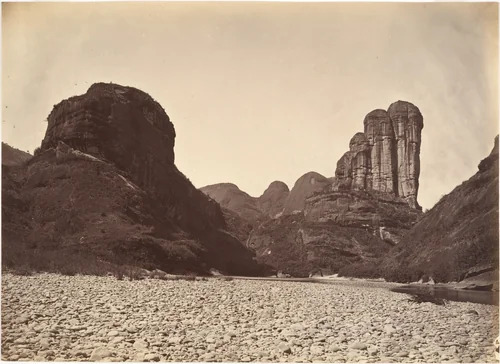
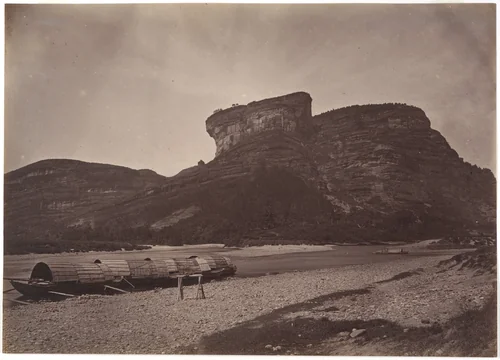
![[Mount Wuyi Landscape] by Lai Afong, photograph, 1869](https://img.artbee.org/6b6b4f8f-6c0b-461a-aa2d-6d63b6355d92/small.webp)
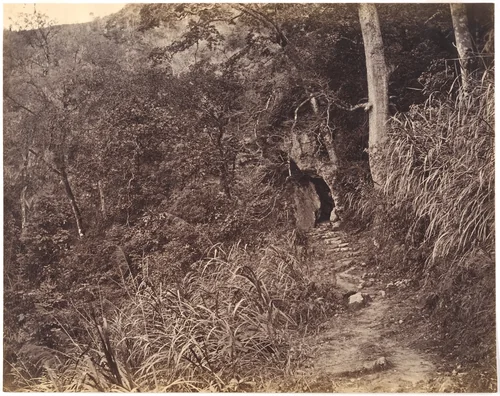
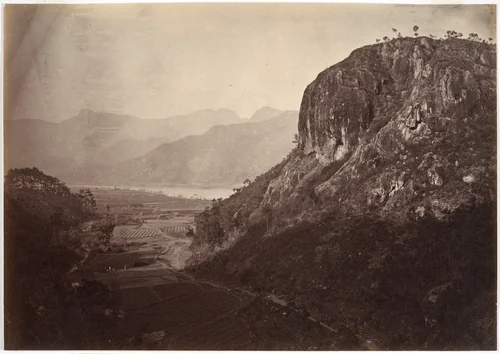
![[Path to Fangguangyan Monastery, Fujian] by Lai Afong, photograph, 1869](https://img.artbee.org/3f08fbb5-67e0-4158-afdc-510a25d34493/small.webp)