Kurt Schwitters
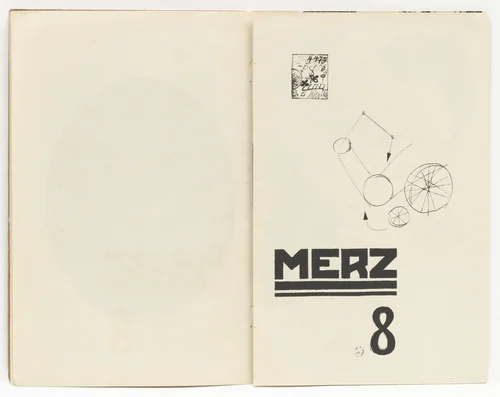
Kurt Hermann Eduard Karl Julius Schwitters (1887-1948) was a seminal German artist whose multi-disciplinary practice fundamentally redefined the boundaries of collage and assemblage in the 20th century. Based initially in Hanover, Germany, Schwitters quickly transcended early affiliations with Expressionism to develop his unique and highly influential creation principle: Merz.
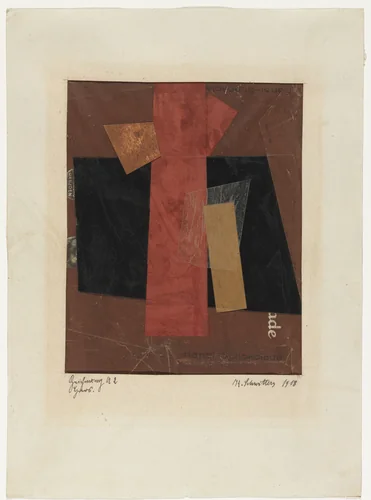
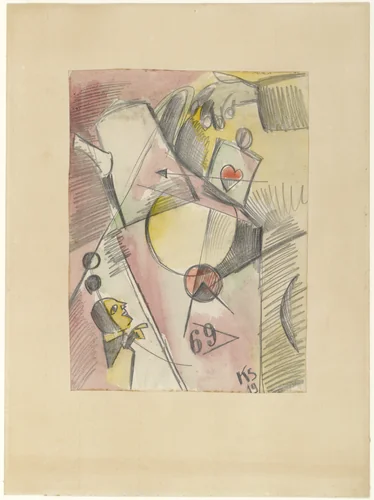
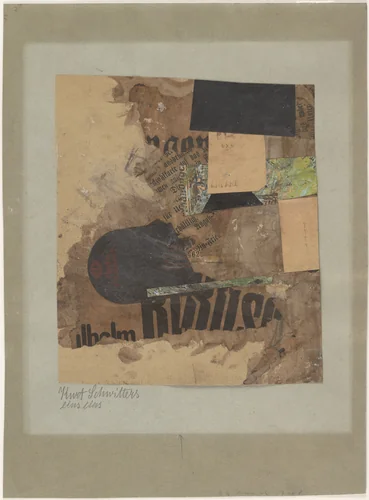
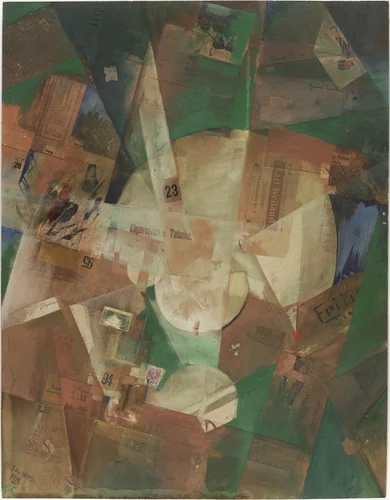
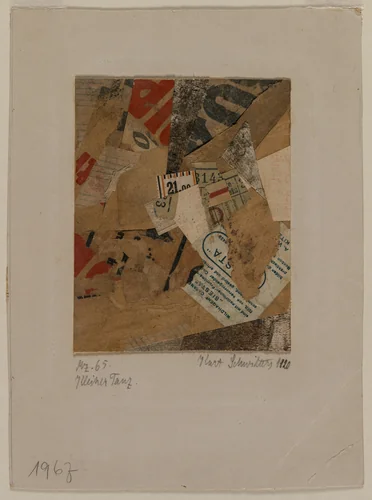
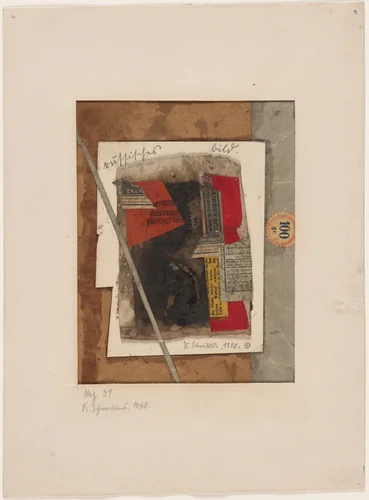
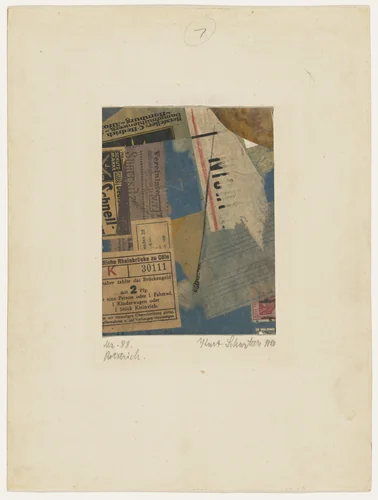
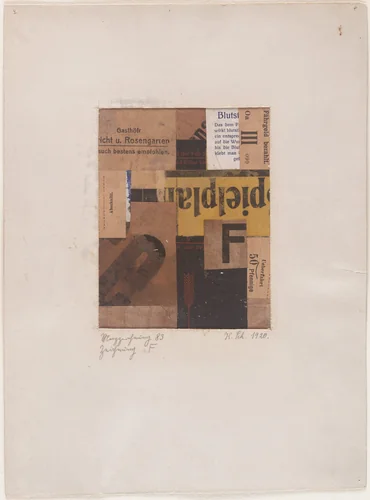
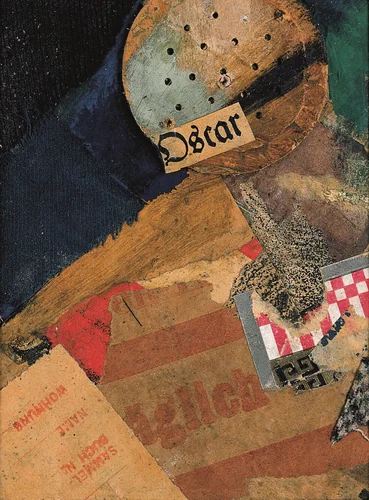
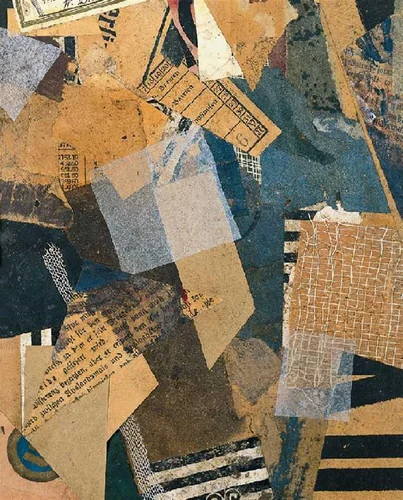
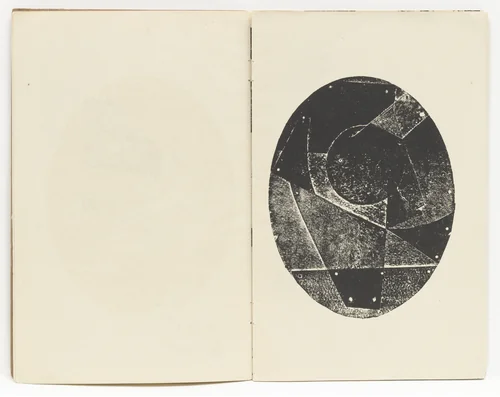
Derived from a fragment of the word “Kommerzbank” found in one of his own collages, Merz was less a style than an ideological construct. Active across the years 1918-1920, Schwitters created an intense body of work that fused the anarchic energy of Berlin Dada with the formal rigor of Constructivism. His genius lay in utilizing found objects, discarded ephemera, tickets, and paper detritus, transforming the overlooked elements of urban life into formally sophisticated compositions. Works like Drawing A2: Hansi and the subtle abstraction of N Watercolor 1. (The Heart Goes from Sugar to Coffee) demonstrate his belief that everything holds aesthetic potential, a remarkable act of optimistic creation given the tumultuous historical backdrop.
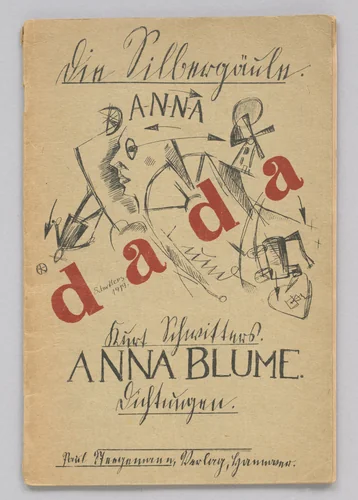
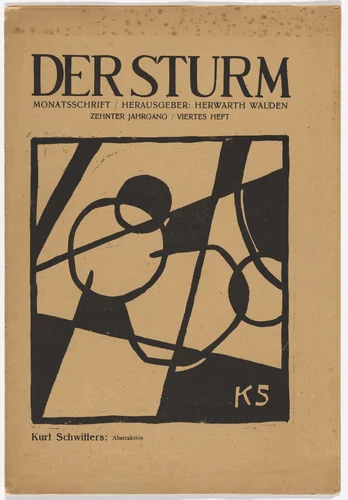
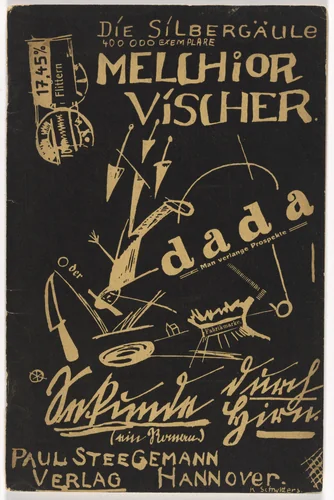
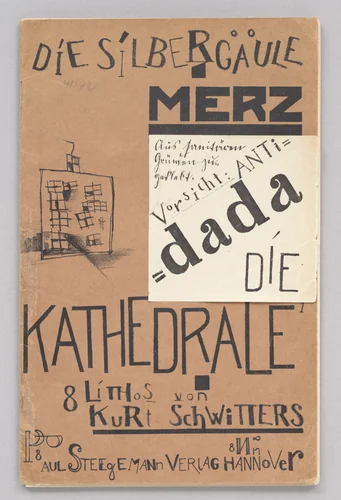
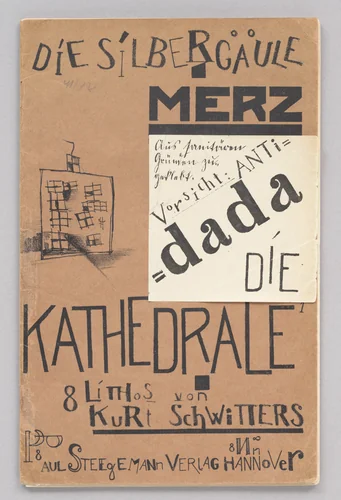
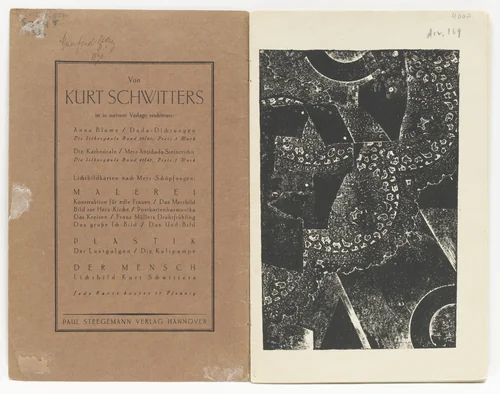
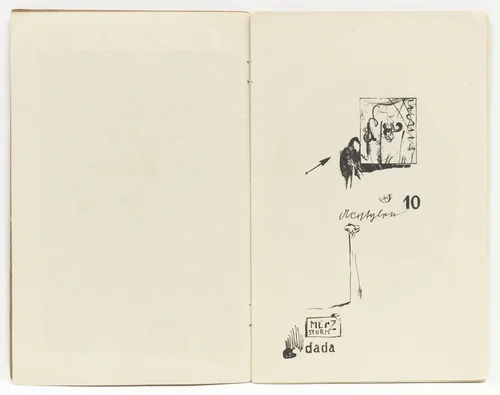
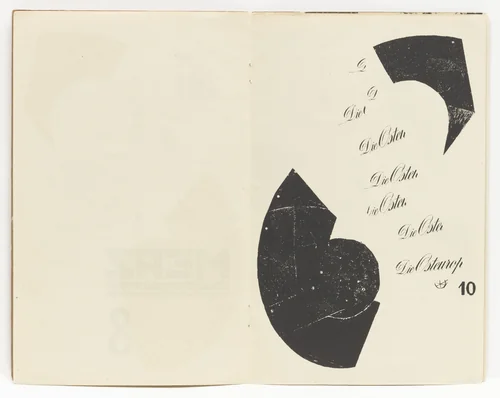
Schwitters’s practice extended beyond visual art. He was a crucial figure in avant-garde literature, achieving renown for his celebrated sound-poem and prose collection, Anna Blume: Dichtungen (1919). Furthermore, his contributions to graphic design, including his innovative Cover for Der Sturm 10, no. 4, showcase a profound mastery of typography and layout. His total artistic vision ensured that he left an indelible mark on various modernist disciplines.
Though born in Hanover, Schwitters was forced into exile beginning in 1937. His legacy, however, remains firmly established through major international institutional holdings. The artist’s complex and compelling compositions, such as the lithograph One One (Eins Eins), are preserved in prestigious collections including the Museum of Modern Art, the Cleveland Museum of Art, and the Kunstsammlung NRW, ensuring their enduring museum-quality documentation. Today, these powerful examples of Kurt Schwitters prints, along with various other downloadable artwork, continue to inspire and challenge contemporary understandings of art materials and modernist history.
Source: Wikipedia · CC BY-SA 4.0