Kishi Ganku
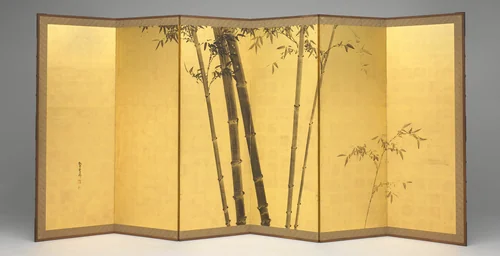
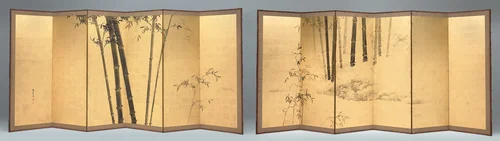
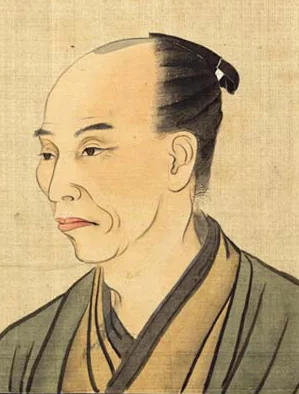
Kishi Ganku 岸駒 (formally Kishi Ku) established himself as one of Kyoto’s most influential painters during the late Edo period. Active primarily between 1800 and 1835, he is critically important as the founder of the Kishi school, a lineage that synthesized diverse academic traditions with a powerful sense of dramatic realism. His distinctive style appealed strongly to the rising samurai class and wealthy merchants, positioning Ganku firmly at the center of the competitive imperial capital’s art scene.
Born Kishi Saeki in Kanazawa, Ganku arrived in Kyoto around 1780, where he embarked on an eclectic training path. His technical foundation included careful study of the meticulous, decorative mannerisms favored by the Chinese academic painter Shen Nanpin (沈南蘋), whose work emphasized detailed realism and vibrant color application. Simultaneously, Ganku absorbed the dynamic naturalism propagated by the local Maruyama-Shijō school. The convergence of these influences allowed him to develop the forceful, brush-driven technique that characterized the Kishi school, often employing a thick sumi ink and dramatic perspective, giving his compositions a palpable sense of weight and motion.
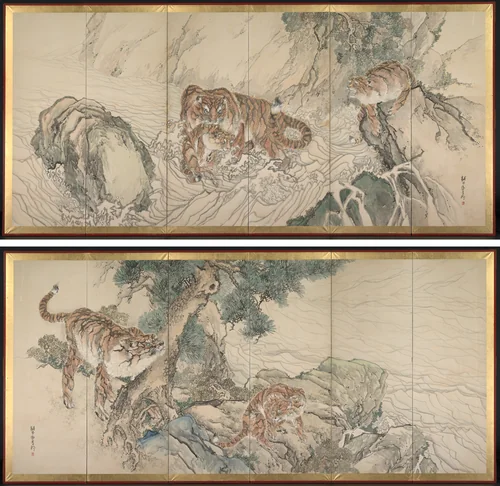
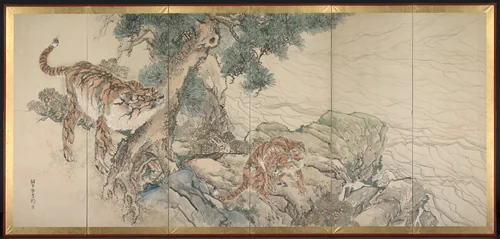
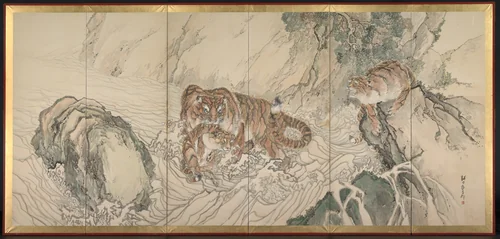
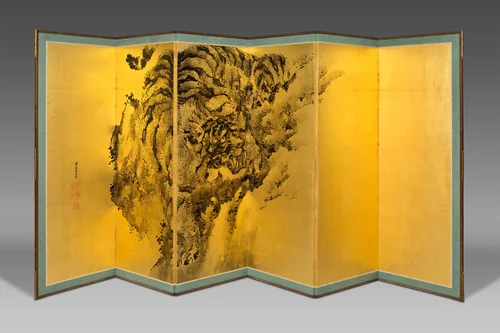
Ganku is perhaps best recognized for his iconic depictions of tigers, a motif he perfected and one which became synonymous with the Kishi school lineage. Since actual tigers were unknown in Japan during this period, these powerful subjects were painted primarily from imported pelts, anatomical studies of related large cats, and established Chinese iconographies. Ganku was masterful at rendering the animal’s coiled muscular tension and the texture of its coat, transforming the exotic creature into a compelling, if idealized, symbol of untamed power. Tiger Family, a subject he revisited multiple times, is a key example now held in institutional collections, including the Art Institute of Chicago and the Cleveland Museum of Art.
The Kishi school achieved significant official status, demonstrating Ganku's ability not only to innovate artistically but also to manage a highly successful enterprise that continued through his numerous students and successors throughout the nineteenth century. The enduring popularity of his work means that Kishi Ganku paintings remain highly visible in international collections. Today, many examples of these museum-quality originals are now used to produce high-quality prints and downloadable artwork, ensuring that the legacy of this dynamic Kyoto master remains easily accessible for study and appreciation.
Source: Wikipedia · CC BY-SA 4.0