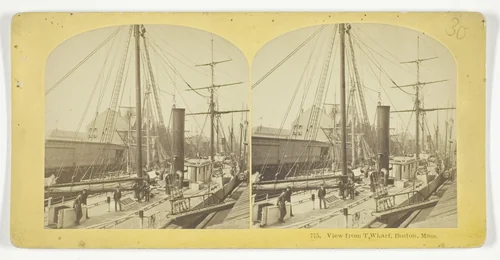
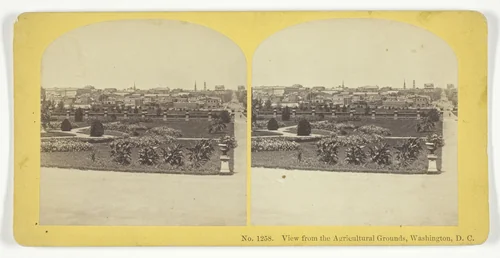
Kilburn Brothers
Benjamin West Kilburn, operating under the highly successful trade name Kilburn Brothers, stands as one of the most significant American photographic publishers of the late nineteenth century. His immense output of stereoscopic views provided a definitive visual archive of a rapidly changing nation, influencing how Americans and Europeans perceived the nascent industrial expansion and the frontier West.
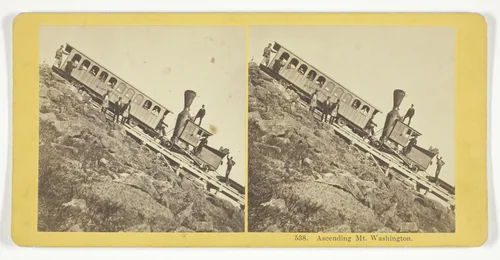
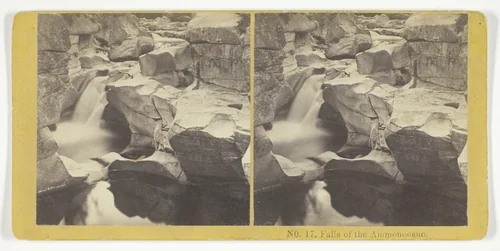
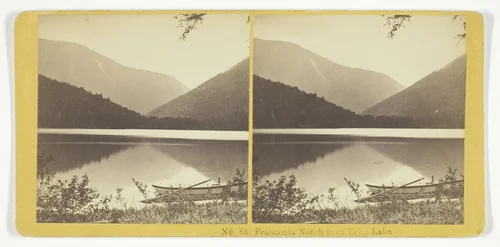
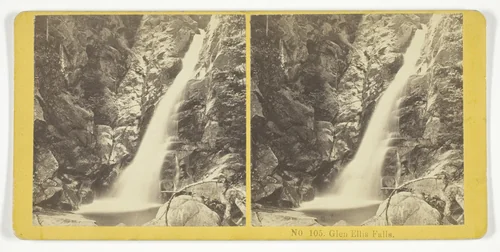
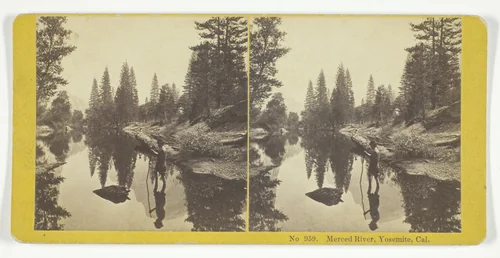
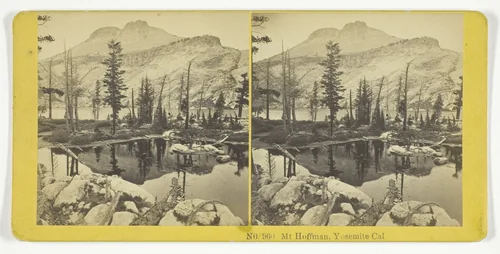
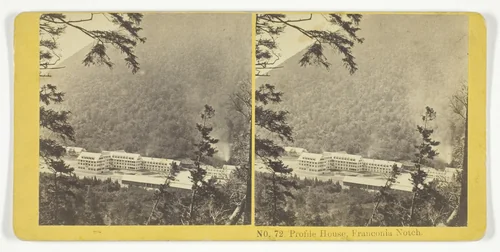
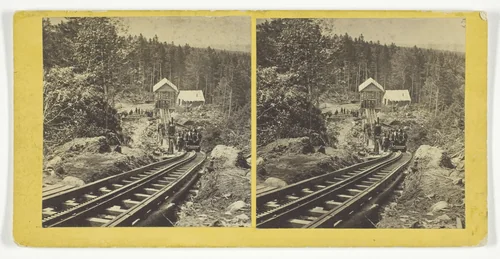
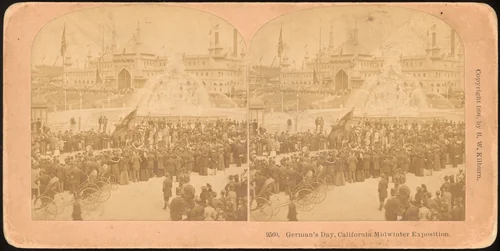
Kilburn’s work concentrated primarily on capturing grand, unspoiled landscape views of the newly established American and Canadian state, provincial, and national parks. Unlike purely artistic photographers who focused on pictorial effects, Kilburn prioritized comprehensive documentation, recording infrastructure projects, geographical landmarks, and the massive human movement characterizing the era of great migrations. This focus resulted in historically invaluable series, ranging from detailed studies of natural wonders like the White Mountains, as seen in the view Ascending Mt. Washington, to records of ephemeral cultural events, such as German's Day, California Midwinter Exposition.
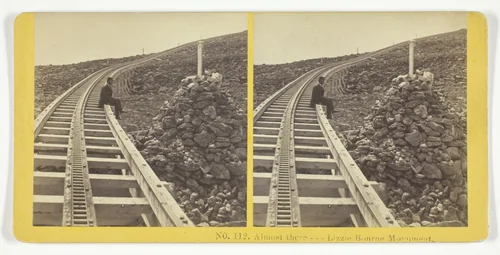
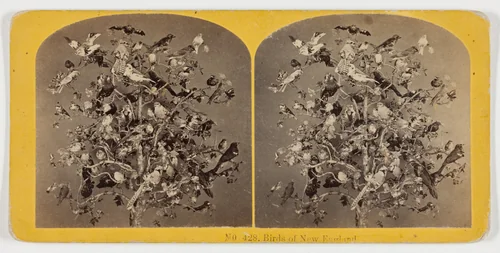
The sheer scale of the Kilburn Brothers operation necessitated technical innovation. Kilburn was granted a patent for his unique “gun-style camera,” an apparatus designed for efficient, high-volume field work. This blend of technological practicality and visual acuity allowed the firm to produce vast numbers of images, making them accessible to a broad public. His systematic approach ensured that his subjects, whether a study of wildlife like Birds of New England or documentation of tragedy, as evidenced in the view Almost there - Lizzie Bourne Monument, were preserved with remarkable clarity.
While renowned as a photographic entrepreneur whose works are preserved in major institutions including the Metropolitan Museum of Art and the Art Institute of Chicago, Kilburn maintained a surprisingly broad civic life, concurrently serving as a legislator in the New Hampshire General Court. This duality, functioning simultaneously as a visual chronicler of the wilderness and a shaper of political policy, lends a fascinating dimension to his legacy. Thanks to the firm’s prolific production and the subsequent entry of many images into the public domain, Kilburn Brothers prints remain widely accessible, allowing researchers and collectors access to these museum-quality documents of American history, often now available as high-quality prints.
![[Group of 14 stereographs of Africa and Actors] by Kilburn Brothers, photograph, 1850-1919](https://img.artbee.org/e51c7612-dd03-4903-8bfe-2388c9304343/small.webp)