Kikuchi Yōsai
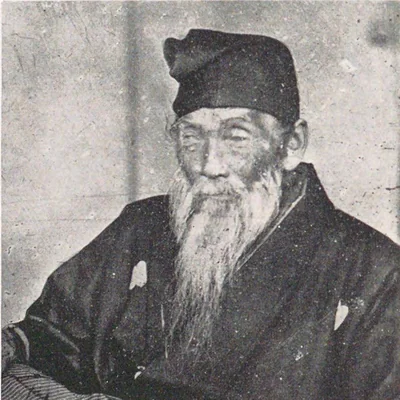
Kikuchi Yōsai (1788-1867), known also by the names Kikuchi Takeyasu and Kawahara Ryōhei, stands as one of the definitive Japanese painters specializing in historical portraiture during the late Edo and Bakumatsu periods. His active career, spanning nearly eight decades, culminated in a distinct artistic legacy centered on the refined discipline of jirekiga, the depiction of historical and legendary figures.
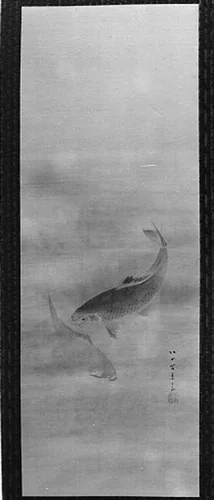
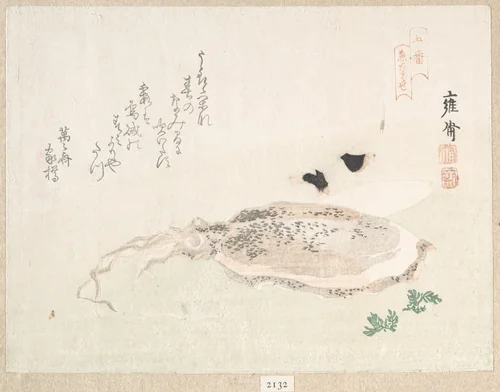
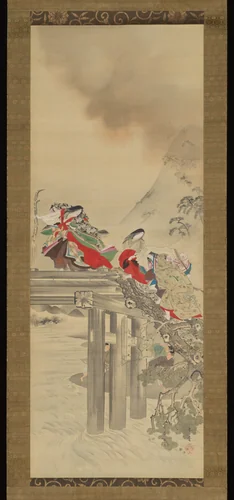
Yōsai’s style is immediately recognizable for its commitment to monochrome sumi-e, where ink is used not merely to outline, but to capture the emotional weight and specific detail of his subjects. This application of traditional media gave his work an authoritative clarity. Though his focus lay heavily on portraiture, Yōsai demonstrated technical versatility across subjects, moving seamlessly from the fierce determination seen in figures like Lady Iga to detailed natural studies. Works such as Two Carp and the intricate composition Cuttle Fish reveal an artist equally adept at capturing the fluid energy of the natural world.
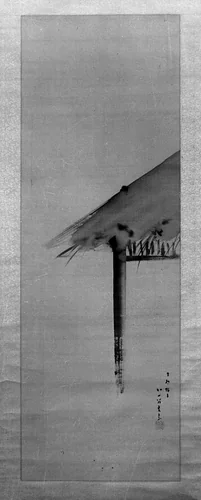
His prolific output often took the form of series documenting significant figures from Japanese history, ensuring his enduring influence on later artists. Yōsai possessed a remarkable ability to condense narrative complexity into stark, visually arresting compositions, a quality critical to his fame. He mastered the balance between the dramatic requirements of historical fiction and the formal constraints of ink painting, exemplified by the elegant seasonal observation in Eaves Decorated with Irises for the Tango Festival.
Working precisely across the profound national transition that ushered in the Meiji Restoration, Yōsai’s deliberate commitment to memorializing the visual mythology of old Japan served a surprisingly forward-looking purpose. His focus anchored the nation's identity through portraiture just as it was being redefined. Today, the high-quality prints and original Kikuchi Yōsai paintings held by major institutions, including the Metropolitan Museum of Art, continue to ensure the accessibility of his work. These museum-quality examples, often available as downloadable artwork, provide an essential window into the artistic and cultural preoccupations of 19th-century Japan.
Source: Wikipedia · CC BY-SA 4.0