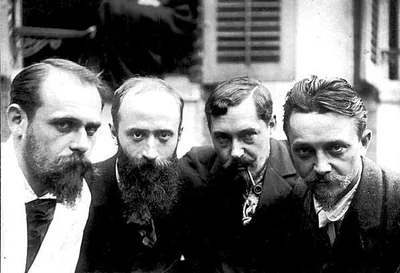
Ker Xavier Roussel
Ker Xavier Roussel (1867-1944) was a pivotal French painter whose career spanned the critical decades bridging Post-Impressionism and the early 20th century. Identified primarily as a member of Les Nabis, Roussel contributed significantly to the movement’s more decorative and mythological wing, utilizing color and line to create compositions focused intensely on feeling and synthesis rather than mere representation. Active between at least 1877 and 1926, his enduring appeal lies in his distinct artistic temperament, which favored a joyous, almost pagan engagement with light and classical fantasy, filtered through a resolutely modern sensibility.
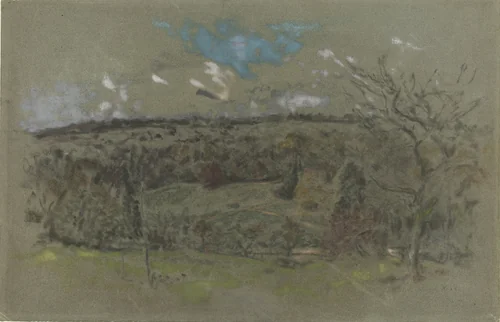
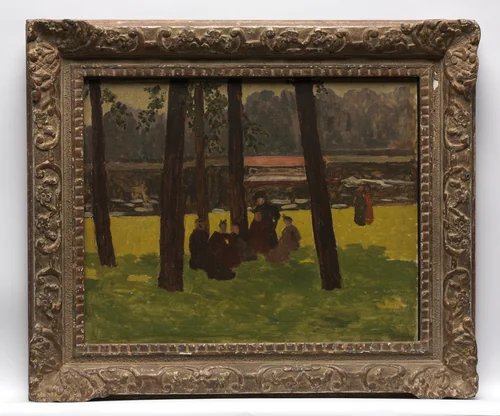
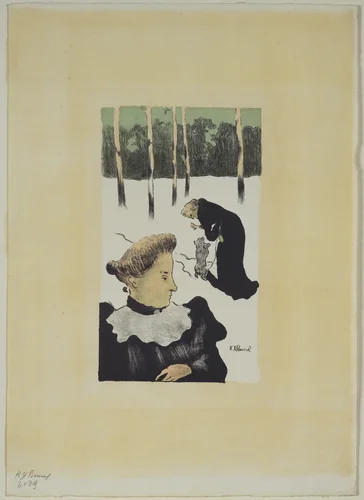
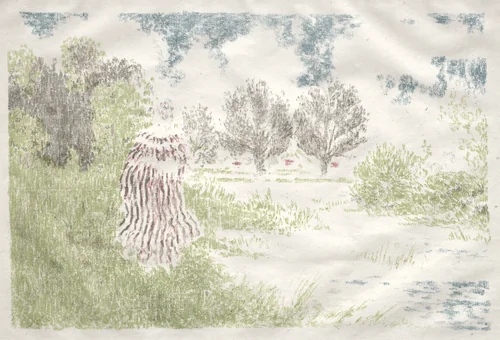
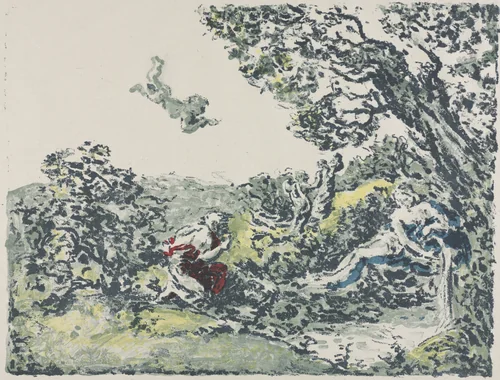
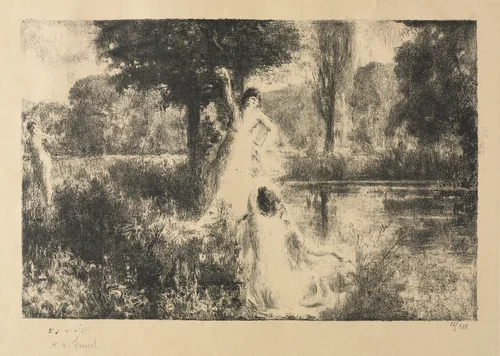
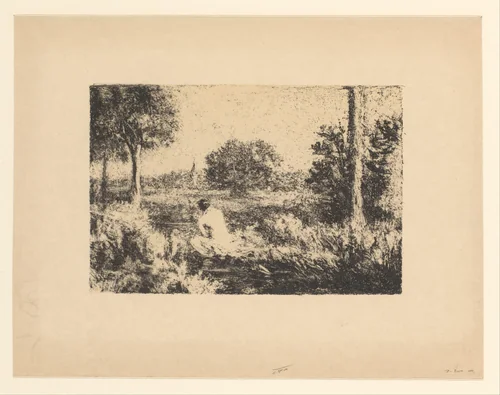
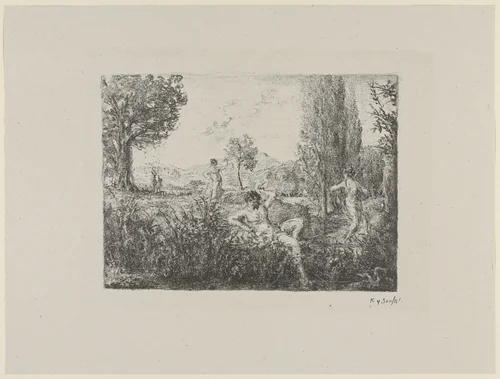
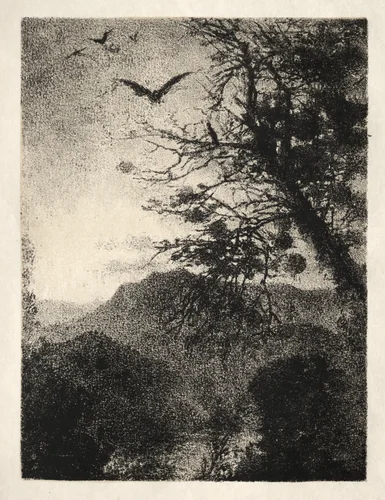
While Roussel worked in oil, as evidenced by his few recorded Ker Xavier Roussel paintings, he demonstrated particular technical mastery in printmaking and drawing. His innovative approach to color lithography helped define the aesthetic goals of Les Nabis. This skill is clearly visible in pieces such as In the Snow (Dans la neige), a striking work selected for the highly influential print portfolio L'Estampe originale. Unlike some Nabi colleagues who explored interior scenes or Parisian street life, Roussel consistently favored sylvan and pastoral settings. He often populated these natural environments, whether the dense forest depicted in Women Meeting in the Shade or the pure environmental study Heuvelachtig landschap in herfstkleuren (Hilly Landscape in Autumn Colors), with allegorical or mythological figures.
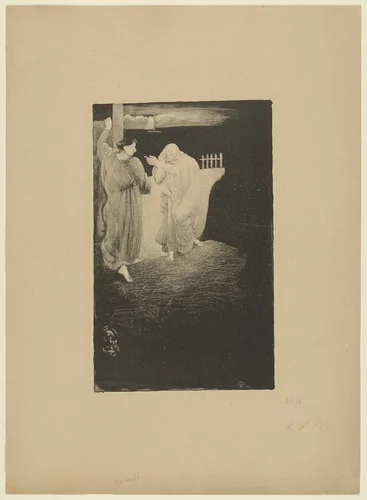
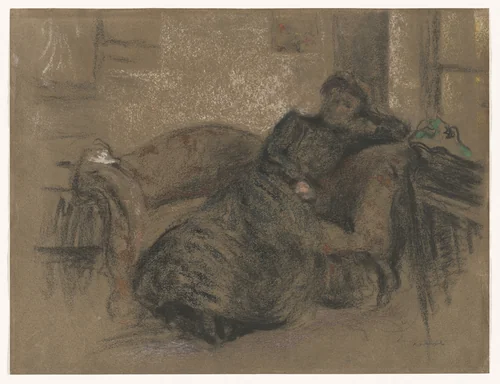
What distinguishes Roussel within the intellectual seriousness of Les Nabis is his refusal to submit entirely to the formal anxieties often associated with high Modernism; he maintained a lifelong, almost breezy fascination with Arcadian simplicity. His Biblical Scene and the elegant simplicity of his Reclining Woman reveal an artist perpetually seeking pictorial harmony, applying vibrant, sometimes frenetic brushstrokes to subjects that reference earlier masters yet feel unmistakably contemporary.
Today, his contributions are recognized globally. Roussel’s works, including numerous museum-quality examples, reside in major international institutions such as the Rijksmuseum, the Cleveland Museum of Art, and the Museum of Modern Art. Many of his key pieces, particularly his important high-quality prints, have since entered the public domain, ensuring that his vibrant vision and his unique place within French fin-de-siècle art remain accessible for widespread study and appreciation.
Source: Wikipedia · CC BY-SA 4.0