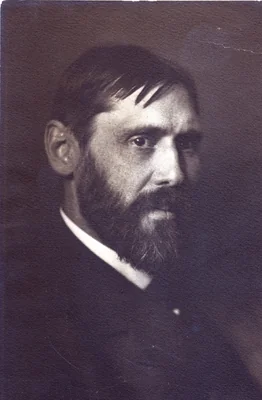
Kenyon Cox
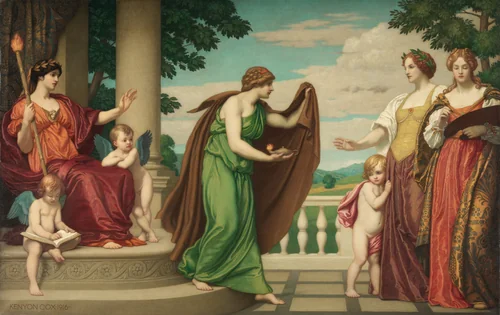
Kenyon Cox (1856-1929) was a cornerstone of American academic art at the turn of the twentieth century, distinguishing himself across painting, illustration, and mural design, while establishing a powerful secondary career as an influential writer and educator. His commitment to classical rigor and precise draftsmanship ensured that his works entered major institutions, with representative pieces held today by the Cleveland Museum of Art and the Metropolitan Museum of Art.
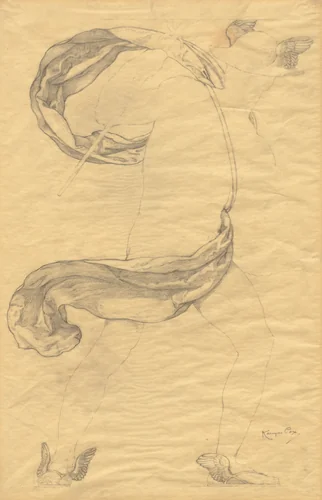
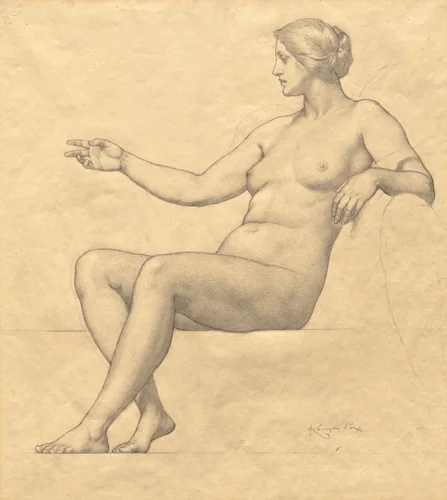
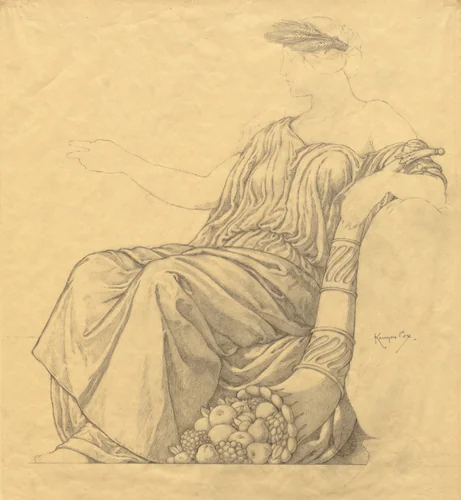
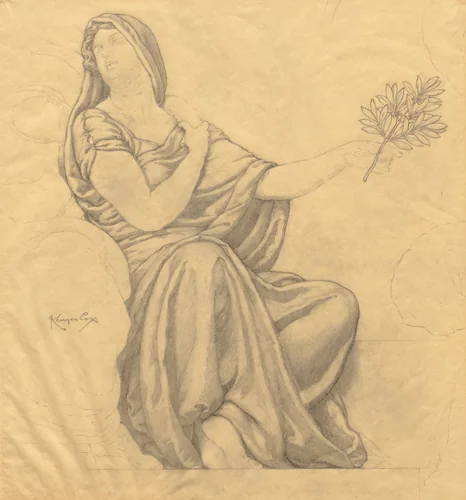
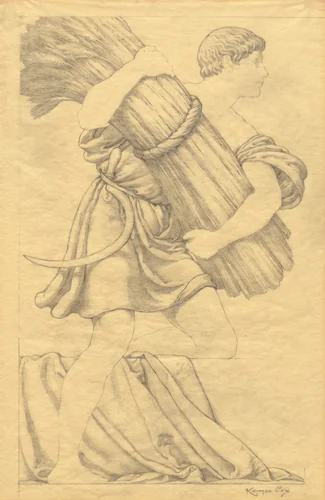
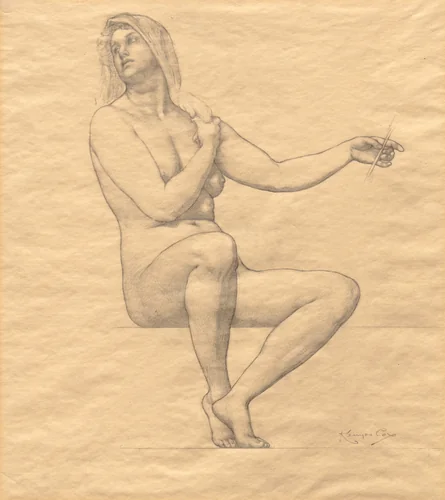
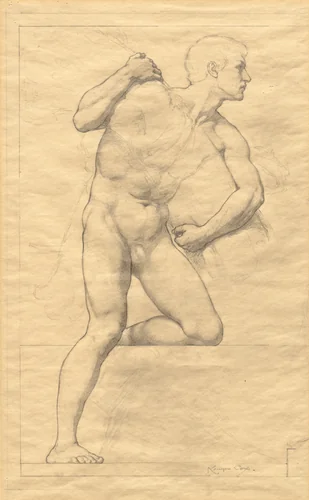
Trained in Paris, Cox brought an uncompromising academic classicism back to New York, advocating for mastery of the human form as the prerequisite for artistic expression. His output, which included significant Kenyon Cox paintings and illustrations, prioritized structure and clarity, evident in preparatory works such as Reclining Female Nude Study for "Painting" and the focused precision of Drapery Study for Reclining Female Study for "Painting". His technical skill was consistently visible, whether capturing the likeness of his peer in Theodore Robinson or exploring formal challenges in Flying Shadows.
Cox's historical impact is perhaps most profoundly felt through his tenure at the Art Students League of New York, where he served as an early and influential instructor. He championed a disciplined approach to the craft, codifying his philosophy by designing the League’s logo and its enduring Latin motto, Nulla Dies Sine Linea (No Day Without a Line). This insistence that an artist must practice daily embodies Cox’s belief in relentless application, offering a refreshing counterpoint to the romantic notion of spontaneous genius.
Though his staunch classicism often placed him aesthetically at odds with the emerging currents of modernism, Cox’s superb technique remains indisputable. Today, many of his masterful drawings and Kenyon Cox prints, once sequestered in institutional archives, are available as downloadable artwork through the public domain. This accessibility allows contemporary viewers to study the museum-quality execution that defined his long career, affirming that intellectual rigor and tireless practice, not just innate talent, were the bedrock of his achievement.
Source: Wikipedia · CC BY-SA 4.0