Ken Price
Kenneth Price (1935–2012) was a transformative American artist known for elevating ceramics from the realm of craft into the sphere of high art. Emerging from the vibrant Southern California scene, Price fundamentally redefined the capabilities of fired clay, creating biomorphic, brightly colored, and meticulously surfaced sculptures that often defied traditional containment.
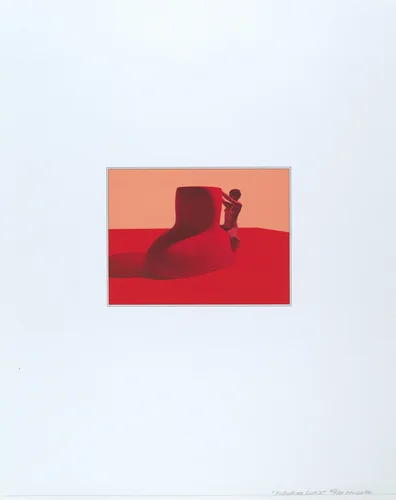
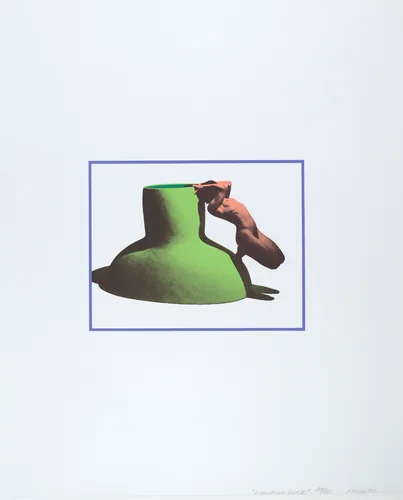
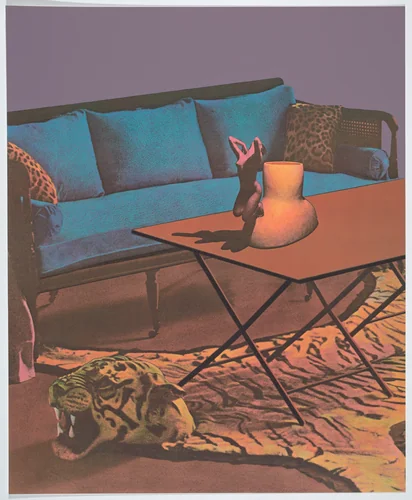
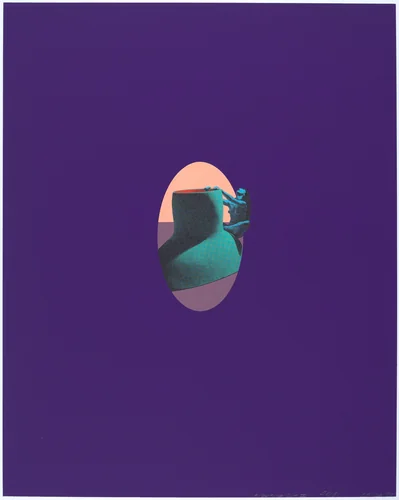
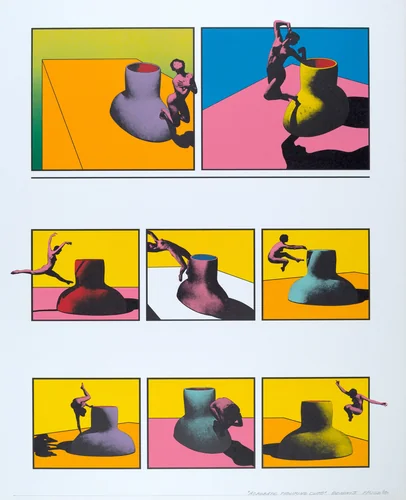
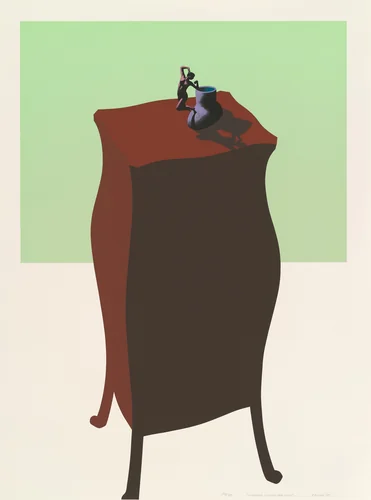
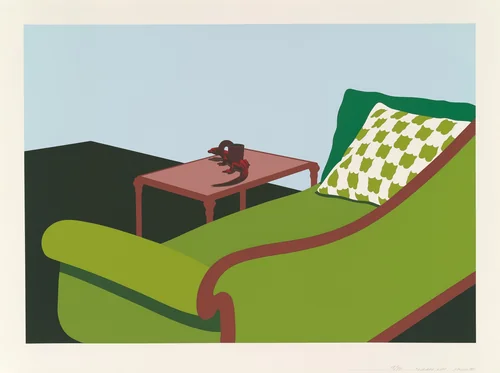
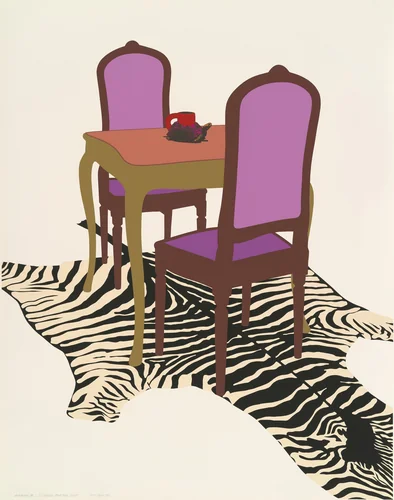
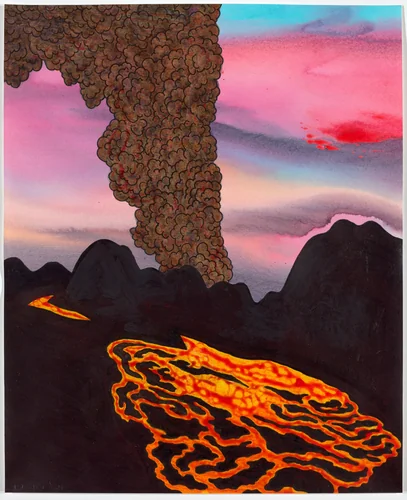
While his primary legacy rests in three-dimensional work, Price maintained a focused and essential printmaking practice, particularly active between 1968 and 1972. This brief period yielded approximately fifteen known lithographs and screenprints that distill the formal concerns of his broader oeuvre. These works acted not as studies for sculpture, but as independent explorations of line, color, and object-as-character, often employing the same high-gloss saturation that marked his three-dimensional pieces.
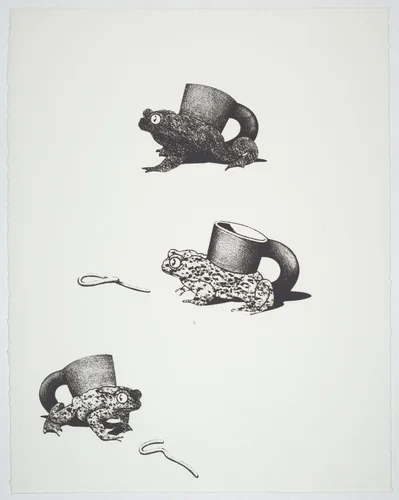
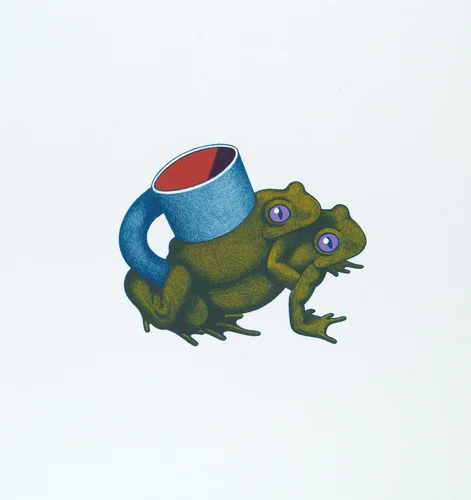
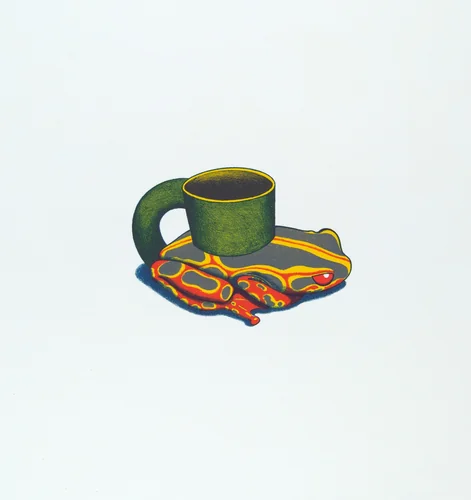
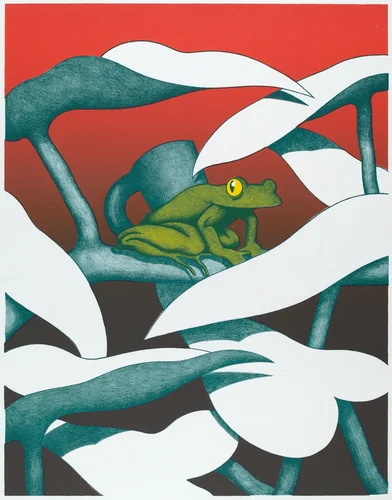
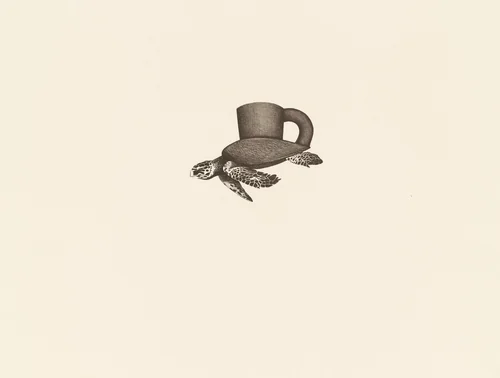
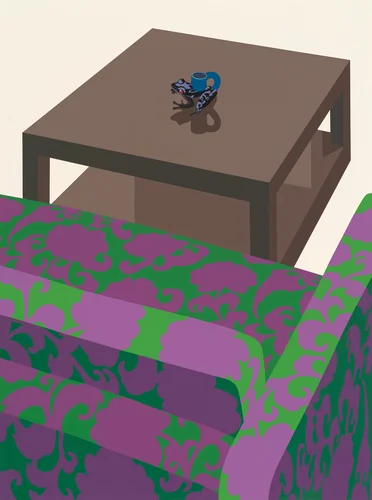
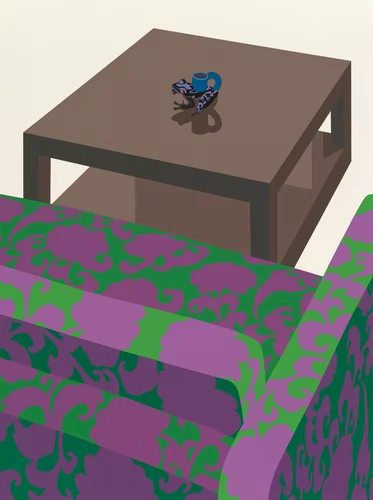
The limited-edition Ken Price prints from this period frequently feature the vessel motif, transforming the mundane cup into something whimsical and occasionally unsettling. Titles such as Frog Cup, Double Frog Cup, and the surreal Jivaroland Frog Cup exemplify this blend of irreverent charm and meticulous geometric composition. Price had a clear fascination with the functional object that refuses to function; the "cup" in his vision is never merely a container, but an expressive, often animate, entity that twists the expectations of domestic life.
These museum-quality graphic works, including Cup Gets the Worm and Turtle Cup, affirm Price's stature as a multidisciplinary innovator. His commitment to precision and vivid color palettes places him firmly within the lineage of postwar California abstraction, though always infused with a distinct, understated wit. His work is centrally represented in major collections, including the National Gallery of Art. The accessibility of his artistry continues through the availability of high-quality prints, providing valuable resources for those seeking downloadable artwork from this vital period in American art history.
Source: Wikipedia · CC BY-SA 4.0