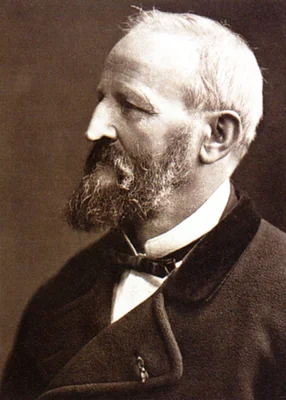
Karl Bodmer
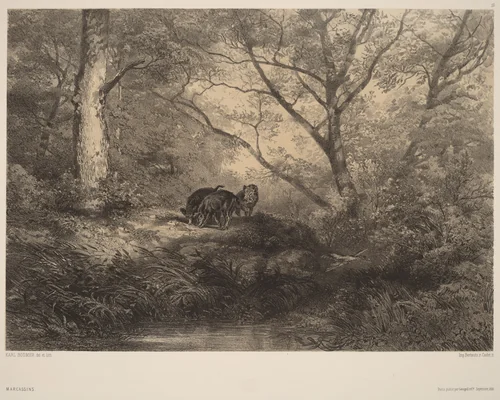
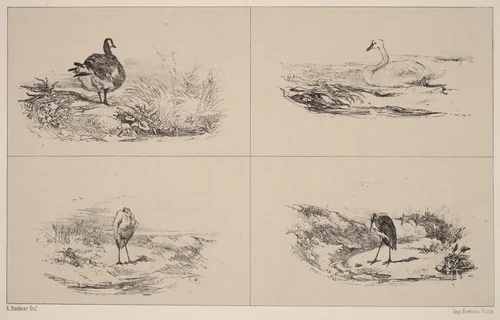
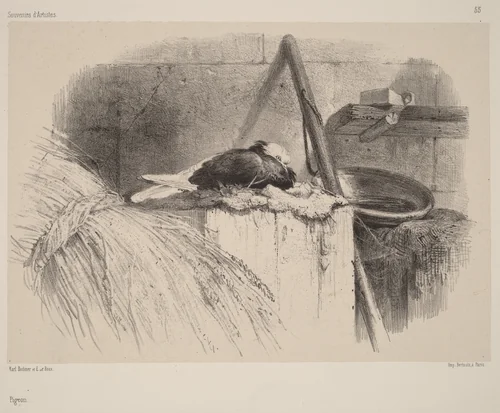
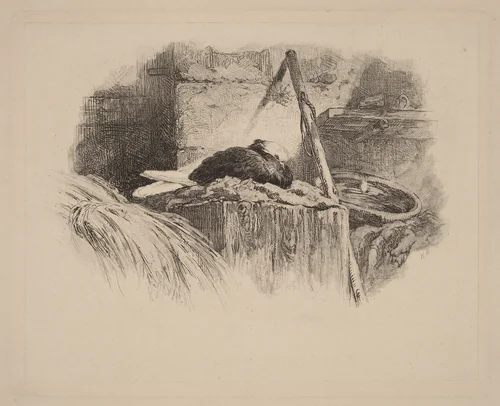
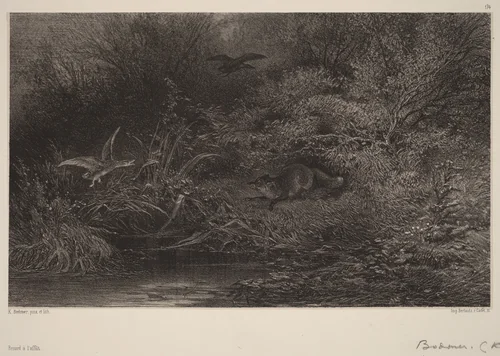
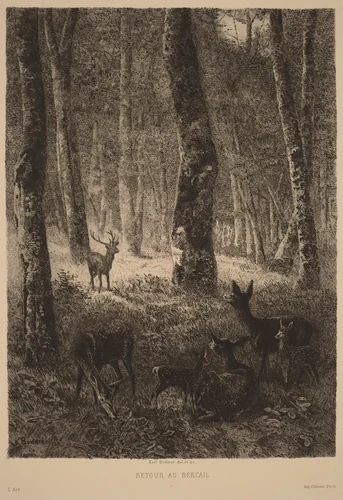
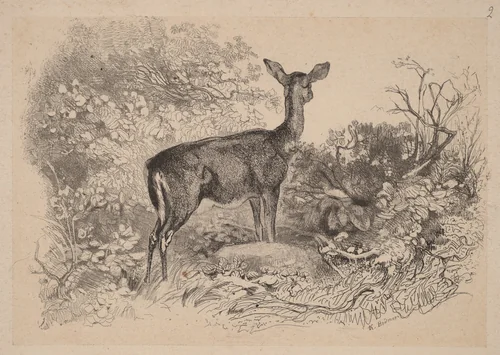
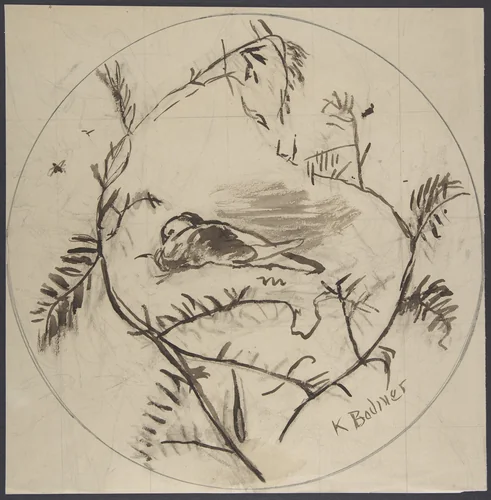
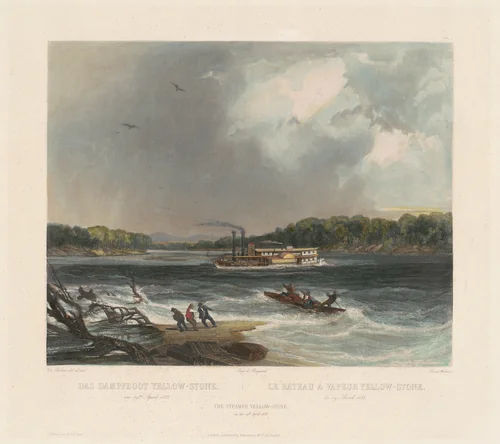
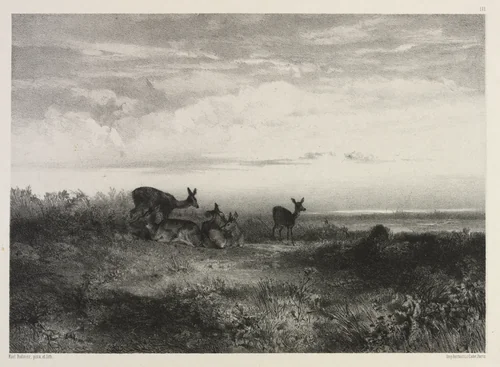
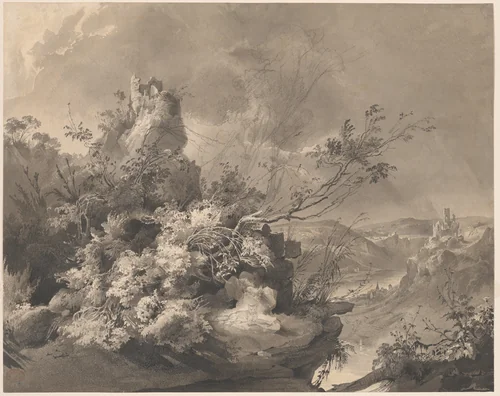
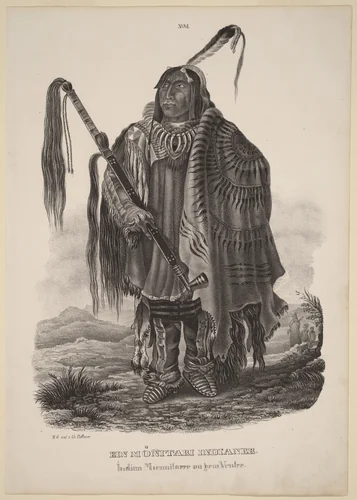
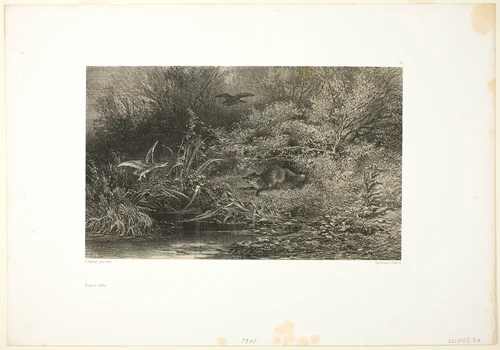
Johann Carl Bodmer was a highly prolific Swiss-French artist whose immense technical versatility defined his long career. Active in the art world by 1809, Bodmer mastered nearly every printmaking discipline available in the nineteenth century, demonstrating simultaneous expertise as a printmaker, etcher, lithographer, zinc engraver, and draughtsman, in addition to working as a painter and illustrator. His technical facility allowed him to transition fluidly between detailed illustrative assignments and fine art production, evidenced by sensitive natural studies such as Au bord de l'eau and Biche et Faon.
Known primarily as Karl Bodmer in art historical literature, the varied records of his name suggest a charming, if slightly confusing, ambiguity; he was officially cited as Johann Karl Bodmer and Jean-Charles Bodmer at different points in his life. Adding to this eclectic professional identity, the artist also listed ‘hunter’ among his recognized skills, perhaps suggesting an active, field-based approach to his preferred subject matter: the detailed observation of the natural world and its inhabitants.
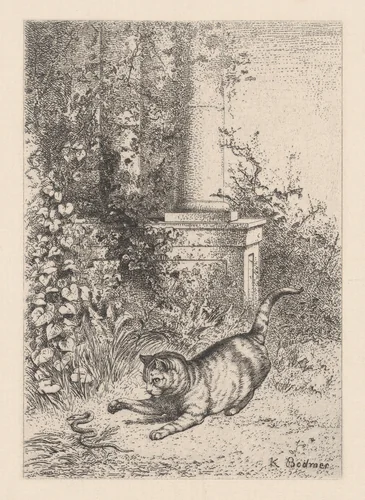
Bodmer’s dedication to exacting draftsmanship ensured that his extensive output, even works intended for mass reproduction, maintained museum-quality detail. His historical standing is confirmed by the presence of his high-quality prints in major collections, including the National Gallery of Art. A clear shift occurred in his professional signature around 1843, likely coinciding with the birth of his son, Charles-Henry Barbizon. Works dating from this later period bear the distinct, streamlined mark of 'K Bodmer,' a simplification that countered the artist’s earlier reliance on multiple names.
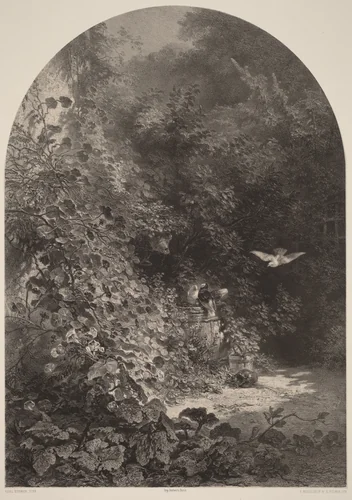
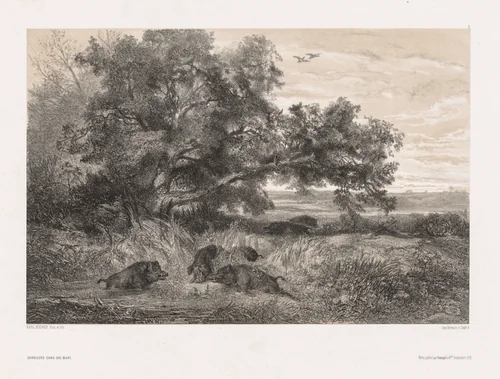
Today, the legacy of Karl Bodmer prints continues to be widely accessible. Many significant examples, including the atmospheric A Forest Clearing and the dynamic study Aigle au vol, are now considered public domain works. This status allows researchers and enthusiasts alike to access royalty-free downloadable artwork, ensuring that the integrity of Bodmer’s exhaustive technical legacy is preserved and shared with new audiences.
Source: Wikipedia · CC BY-SA 4.0