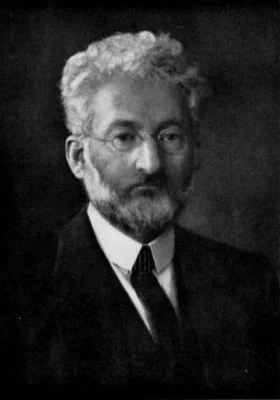
Karel Petrus Cornelis de Bazel
Karel Petrus Cornelis de Bazel (1869–1923) was a foundational figure in Dutch modernism, renowned for his highly diverse and disciplined approach spanning architecture and the decorative arts. Although primarily remembered today as a distinguished architect and the first chairman of the Bond van Nederlandse Architecten beginning in 1909, his earlier artistic pursuits provide crucial insight into the graphic precision and philosophical depth that would characterize his later architectural output.
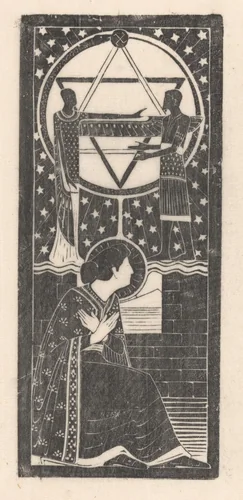
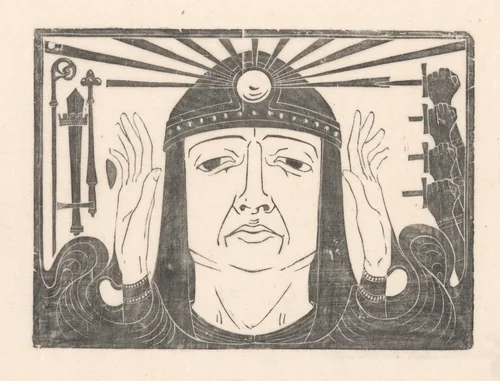
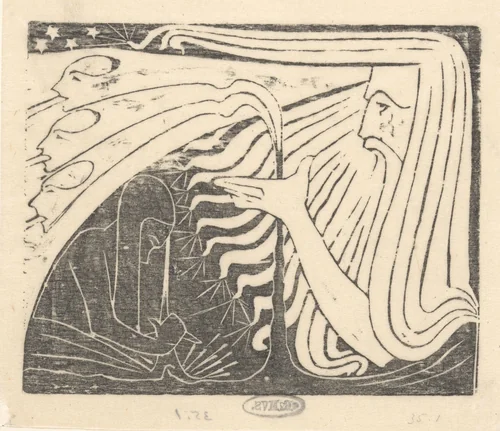
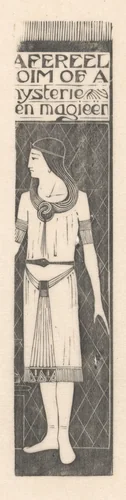
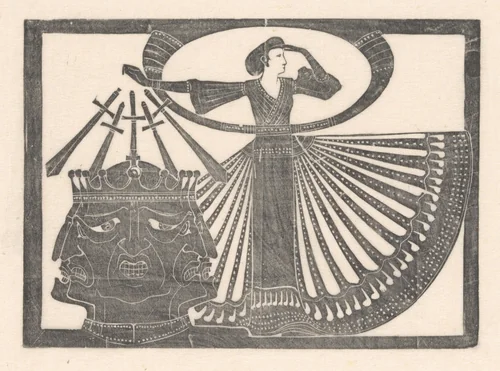
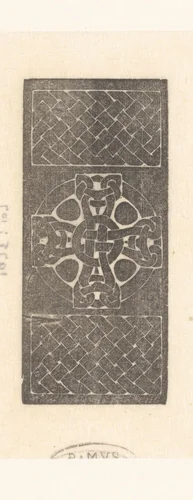
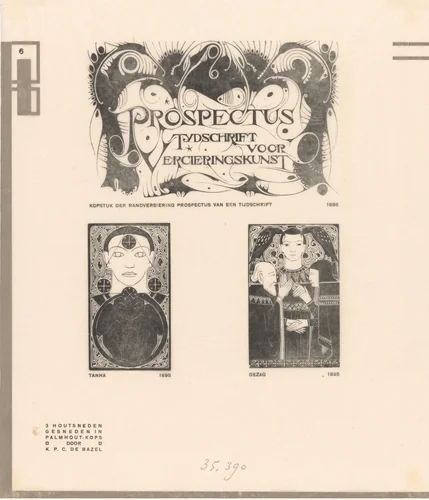
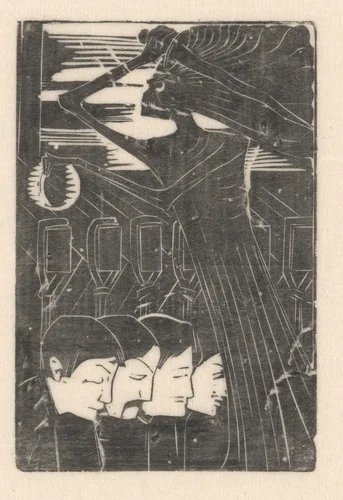
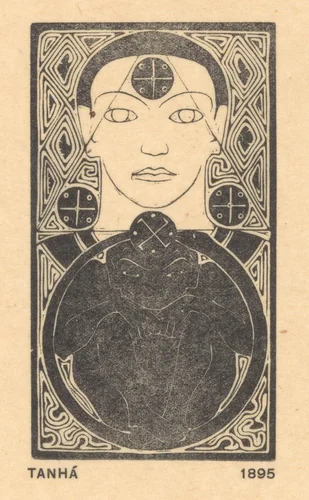
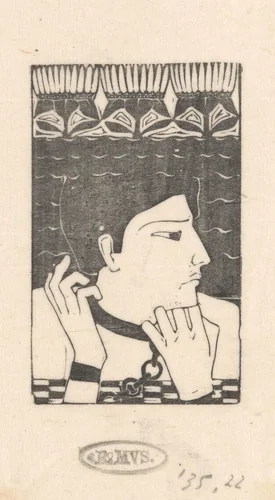
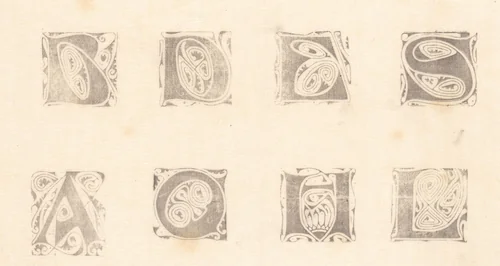
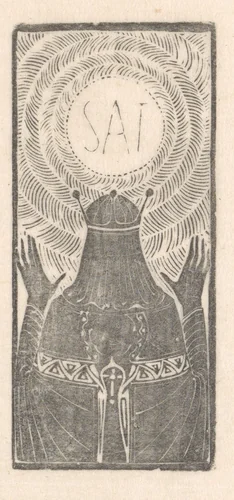
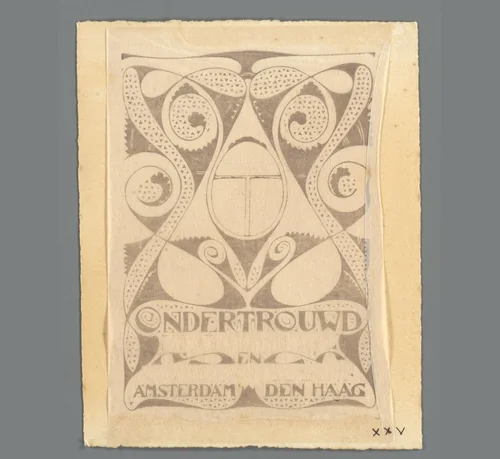
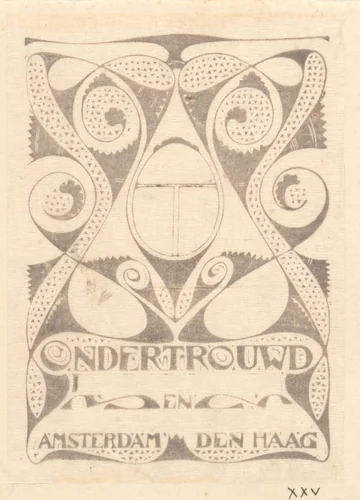
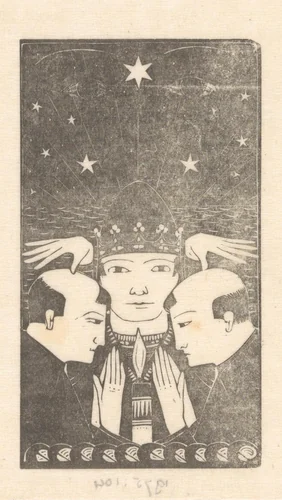
De Bazel’s activity as an engraver and draftsman was particularly focused during a brief but intense period around 1894–1895. This short span yielded a collection of distinct images, now conserved primarily by institutions such as the Rijksmuseum. These works often engage with complex esoteric and allegorical themes, reflecting the era’s fascination with mysticism and emergent Theosophy. Examples such as Figuren bij een theosofisch embleem and Krishna de Verlosser demonstrate a graphic style of exceptional clarity and symbolic density.
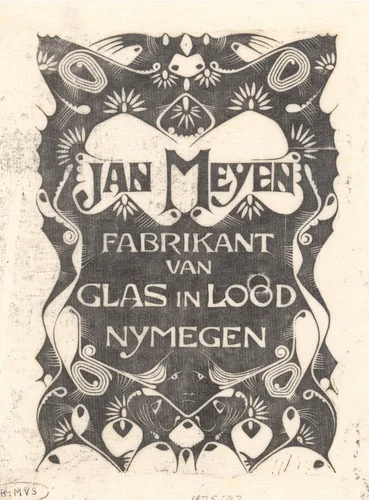
His visual experimentation extended far beyond traditional drawing, positioning De Bazel as a true polymath of design. He actively worked as a furniture designer, specialized carpet designer, glass artist, and designer of bookbinding. This comprehensive engagement with domestic and applied arts places him firmly within the European Arts and Crafts tradition, where the integration of fine and functional arts was paramount. As a mentor, De Bazel cultivated the next generation of talent, notably teaching Adriaan Frederik van der Weij.
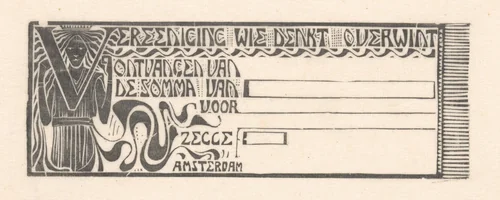
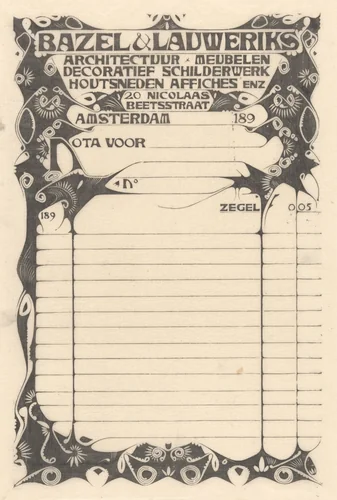
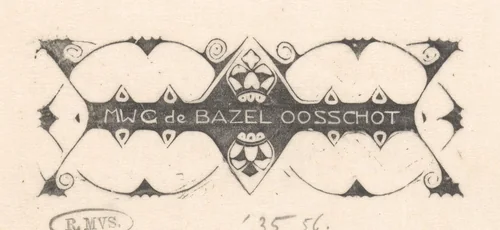
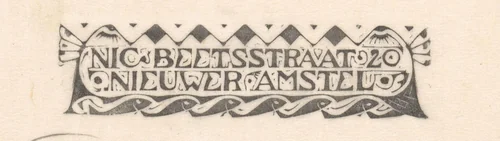
The enduring quality of these graphic works ensures their continued study. While Karel Petrus Cornelis de Bazel paintings are not generally associated with his oeuvre, the existing collection of fourteen prints and related graphic material offers a compelling visual record of his early intellectual preoccupations. It is perhaps telling that his output included a design for a receipt, Kwitantie van Wie denkt overwint, indicating a designer whose precision applied equally to high art and mundane documentation. Today, these historical records offer inspiration, with high-quality prints and downloadable artwork often made available through public domain initiatives, ensuring his graphic legacy remains accessible to contemporary audiences.
Source: Wikipedia · CC BY-SA 4.0