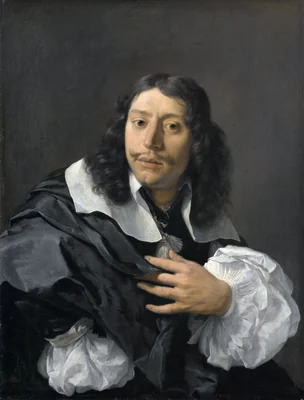
Karel Dujardin
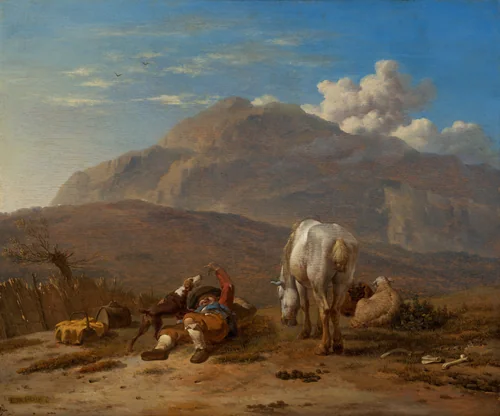
Karel Dujardin (1622-1678) ranks among the most significant Dutch Golden Age painters whose primary contribution lay in the sensitive interpretation of the idealized southern landscape. Though trained and active in Amsterdam, Dujardin’s career was fundamentally shaped by his deep engagement with Italy, a country he visited during two distinct periods: once early in his career and again during his final years. This extensive exposure ensured that the majority of his output, encompassing both Karel Dujardin paintings and landscape etchings, assumed a distinctly Italianate character, evoking the atmosphere and light of the Roman Campagna rather than purely local Dutch scenery.
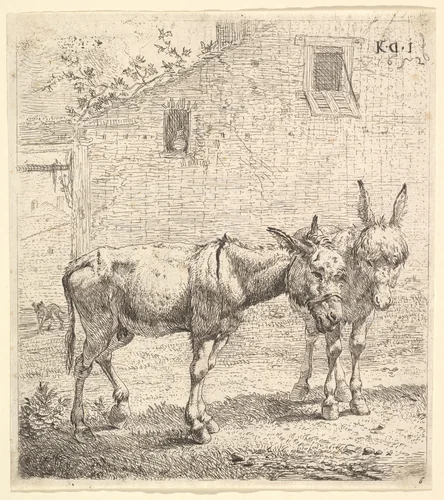
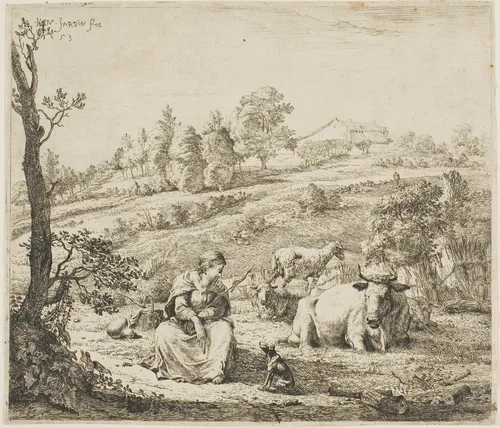
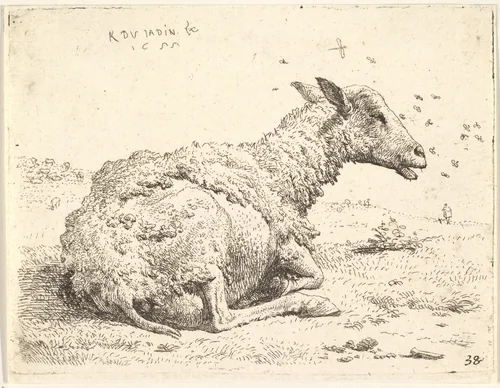
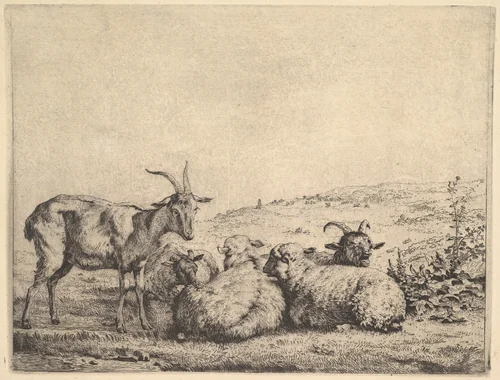
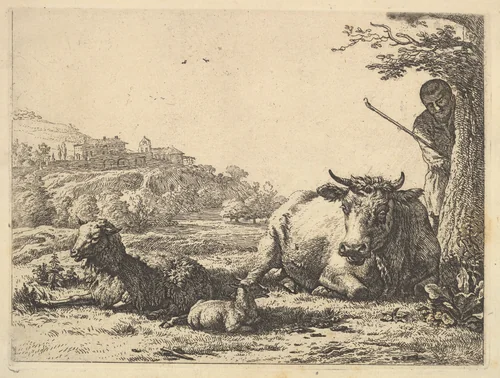
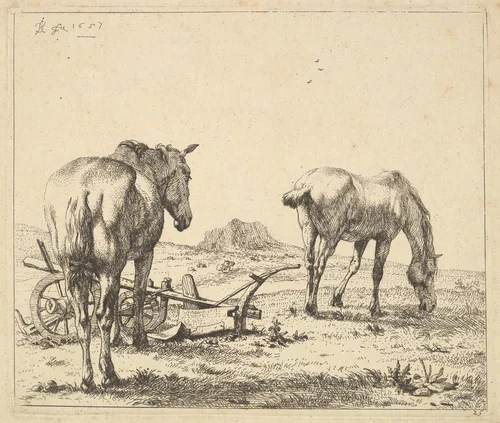
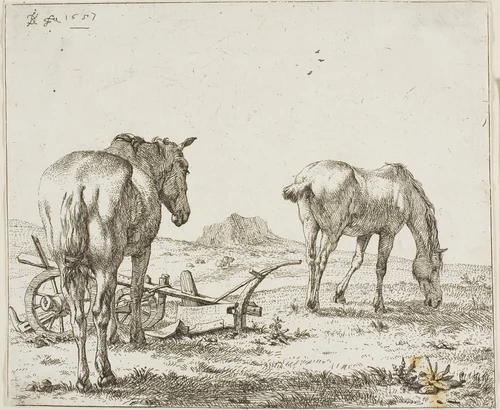
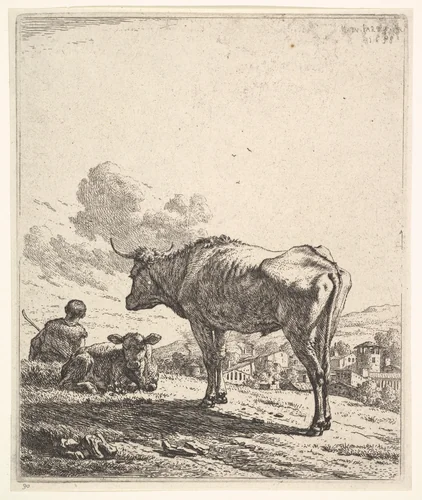
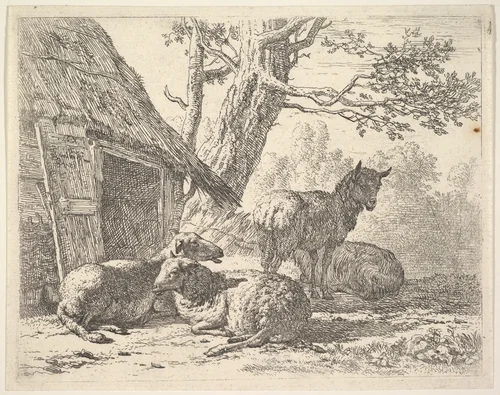
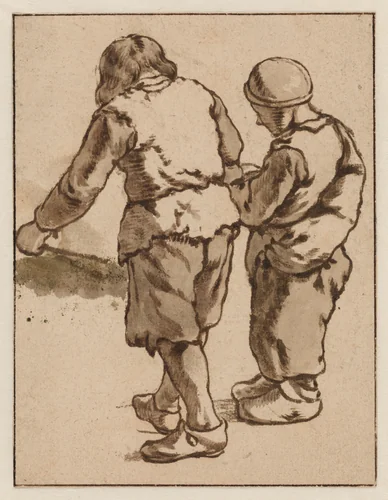
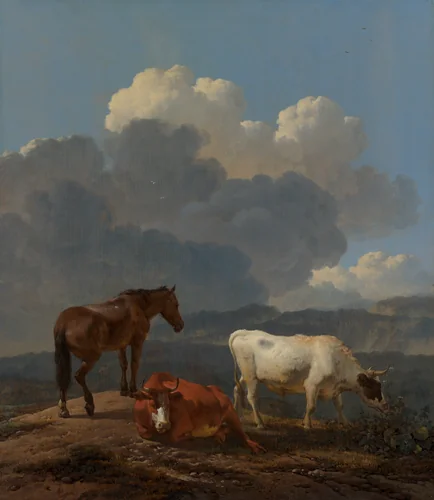
Dujardin was remarkably versatile. While he occasionally executed formal portraits and religious history paintings, his enduring artistic achievement rests on his mastery of small-scale genre scenes and pastoral subjects. These works offered an intimate window into rustic life, populated by peasants, shepherds, and, most notably, meticulously observed animals. His facility in rendering the texture of hides and the specific anatomy of domestic creatures transformed ordinary livestock into principal figures in compositions such as Cow, Bull and Calf and The Two Horses. He applied a quiet dignity to these scenes, creating an idealized yet believable vision of pastoral existence.
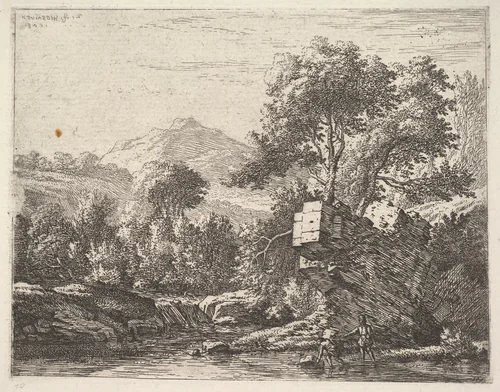
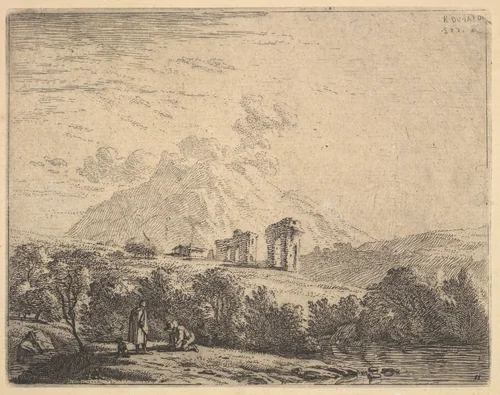
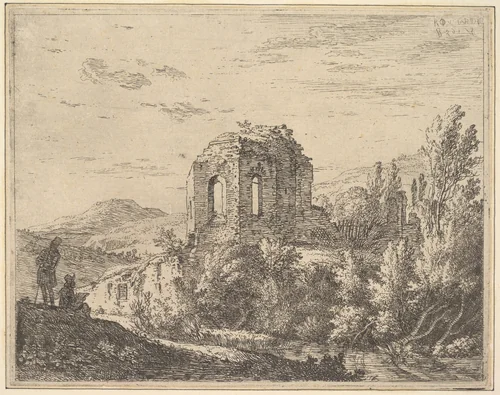
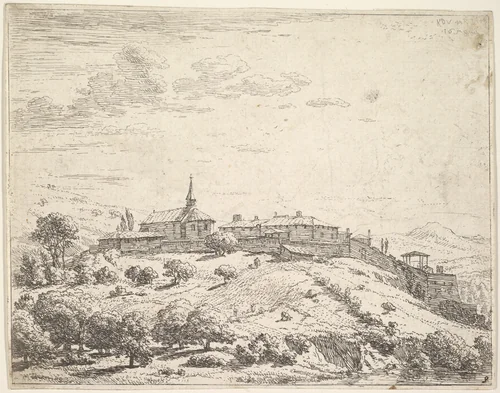
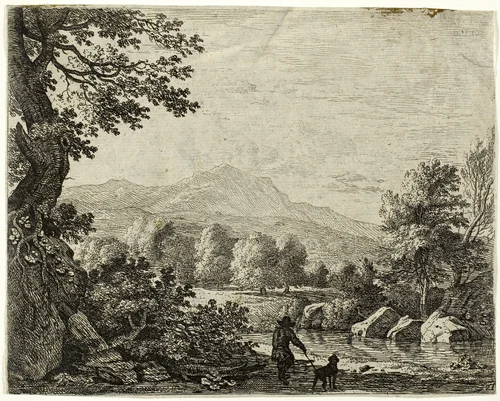
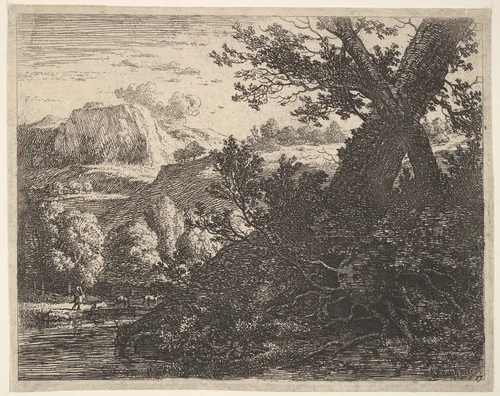
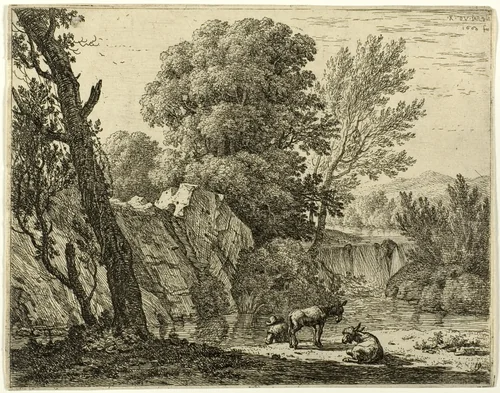
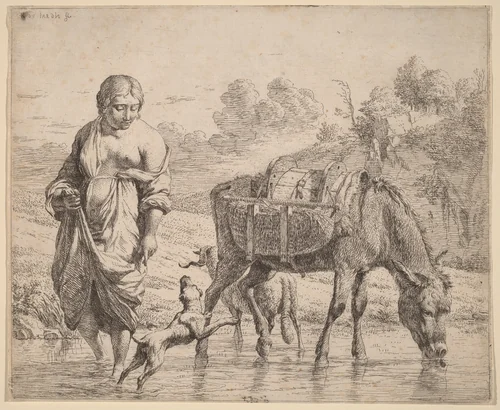
The artist was equally adept in graphic media, producing approximately fifteen highly detailed prints, which consistently utilize the Italian landscape framework. These etchings demonstrate a mastery of line and shadow comparable to the detail found in his oil work. His expertise lay not just in depiction, but in conveying the warmth and specific luminosity of the southern environment. It is perhaps a useful irony that this master of the idealized Roman campagna spent his final working years in Venice, having finally returned to the country that inspired his entire career before his death there in 1678.
Dujardin’s artistic legacy is well secured, with essential works held in international institutions like the Metropolitan Museum of Art and the National Gallery of Art. Today, the enduring appreciation for his specialized genre work ensures his relevance; much of Dujardin's catalog is now in the public domain, allowing for downloadable artwork and the production of museum-quality high-quality prints, ensuring that his distinctive, sun-drenched Italian vision remains widely accessible to modern viewers.
Source: Wikipedia · CC BY-SA 4.0