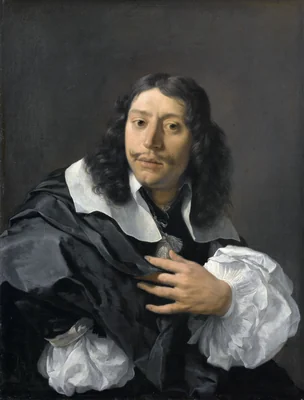
Karel du Jardin
Karel du Jardin stands as a prominent figure of the Dutch Golden Age, distinguished by his highly refined Italianate landscapes and focused genre scenes. Active primarily between 1632 and 1652, Du Jardin eschewed the large-scale history paintings typical of his era, instead specializing in intimate compositions that brought the clarity and light of the Mediterranean environment to northern European audiences. His work is characterized by small panels and copper plates featuring peasants, shepherds, and animals set against idealized Roman countryside vistas.
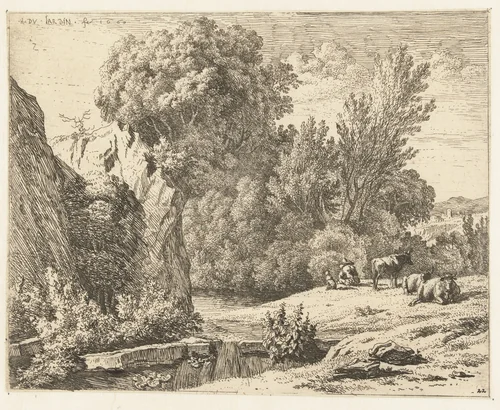
The foundational inspiration for his unique style derived from two significant, extended periods spent in Italy, visits which framed the beginning and end of his career. This sustained immersion in the Campagna Romana profoundly influenced his output, establishing the signature atmosphere of golden light and meticulous detail that defines his best works. While he executed a few portraits and religious subjects, Du Jardin dedicated himself to scenes where the narrative was secondary to the setting and the detailed depiction of rustic life. Artworks such as Berglandschap met herders bij hun kudde schapen en koeien exemplify this synthesis, combining Dutch observational realism with classical Italian scenery.
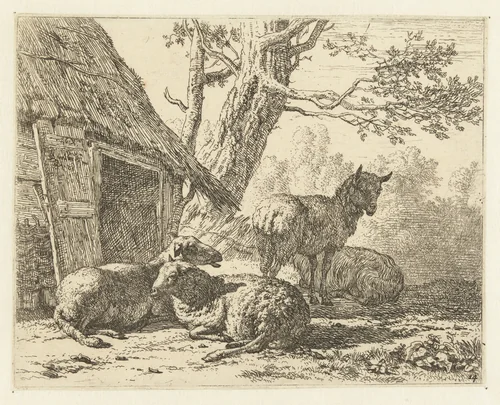
Du Jardin was equally adept across media, producing a small but highly regarded collection of etchings alongside his paintings and drawings. His prints display a remarkable technical precision, capturing the textures of stone, foliage, and especially the specific character of domesticated animals. He held a particular, almost clinical, fascination with livestock; preparatory studies and finished pieces, including Staande ezel and Twee muilezels, reveal a meticulous observational skill bordering on portraiture for the working beast. This dedicated attention to the mundane, placed within the framework of the sublime Italian ideal, lends his oeuvre a singular charm.
His focused output ensured a high museum-quality standard, impacting subsequent generations of painters dedicated to the pastoral ideal. Today, major collections, including the Rijksmuseum, house his original oil paintings and Karel du Jardin prints. As institutions expand access, many of these influential works are increasingly available for study as downloadable artwork and images through the public domain. Du Jardin’s legacy rests on his successful and aesthetically pleasing integration of the Dutch genre tradition with the idealized Roman landscape.
Source: Wikipedia · CC BY-SA 4.0