Kano Tsunenobu
Kanō Tsunenobu (1636-1713) stands as one of the most critical figures in the history of the Kanō school, succeeding the great master Tan’yū and solidifying the school’s artistic and institutional dominance during the middle Edo period. As the official painter to the Tokugawa Shogunate, Tsunenobu ensured the continuation of the sophisticated, highly formalized style mandated for monumental commissions across Japan.
His training was rigorously traditional and highly privileged. Tsunenobu first learned under his father, Kanō Naonobu. Following Naonobu's death, his training continued under his illustrious uncle, Kanō Tan’yū, arguably the most powerful painter of the 17th century. This apprenticeship ensured not only technical perfection but also an intimate understanding of the institutional requirements necessary to lead the Edo Kanō branch. In 1674, Tsunenobu officially assumed leadership, carrying the weight of the family legacy forward for nearly four decades.
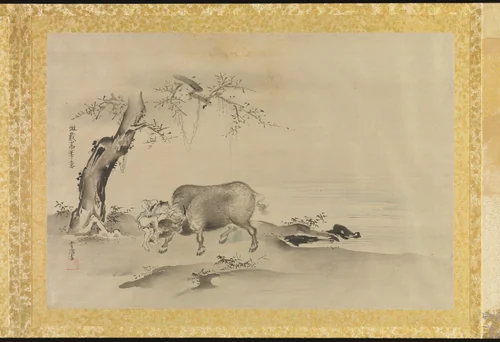
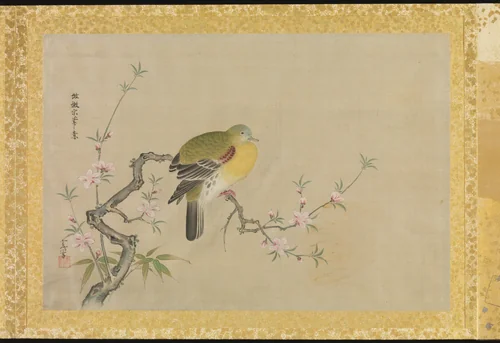
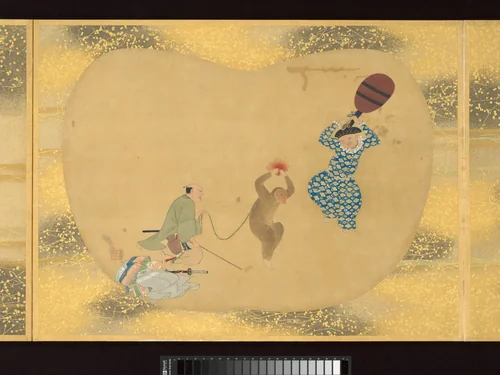
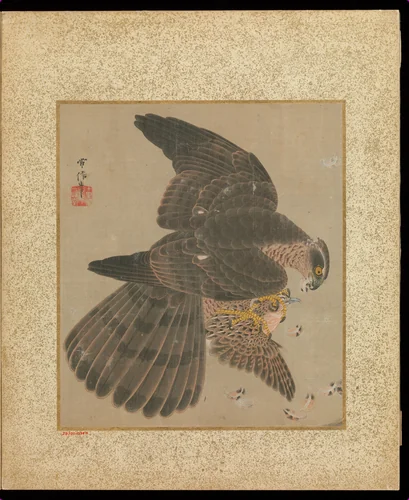
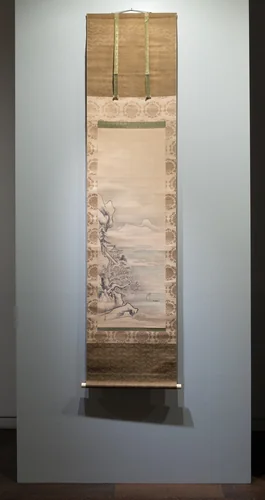
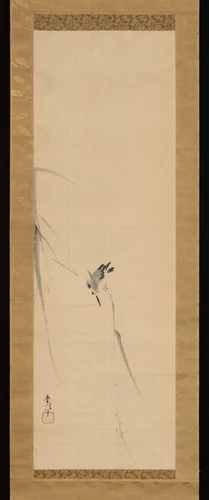
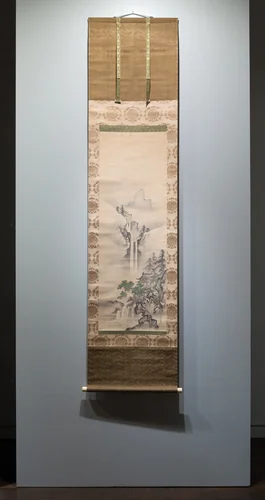
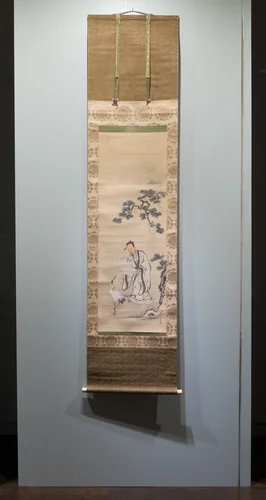
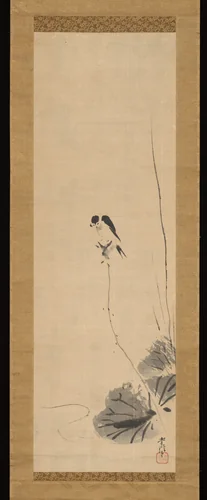
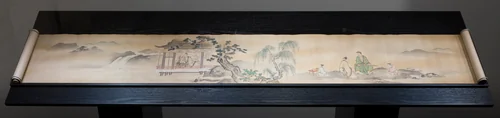
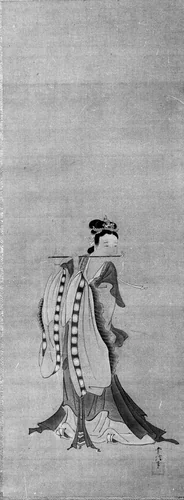
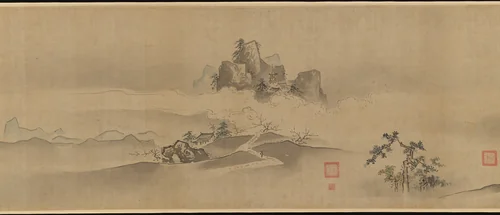
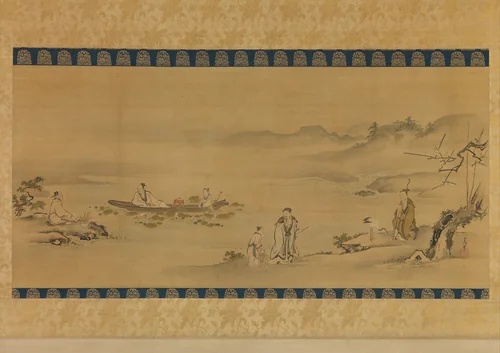
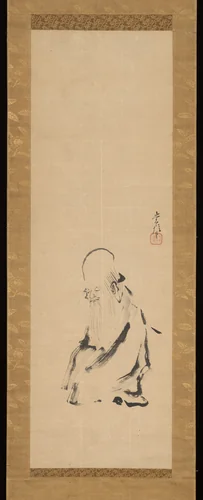
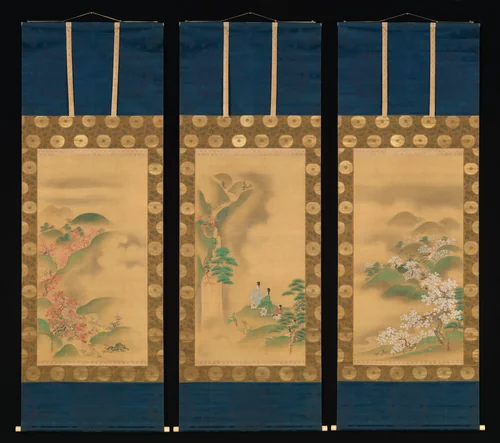
Tsunenobu’s contribution lay less in stylistic revolution and more in the meticulous maintenance and refined execution of the established Kanō aesthetic. His extant works, housed in major global institutions including the Metropolitan Museum of Art and the Art Institute of Chicago, showcase his versatility, ranging from large-scale albums like the Album of Fan-Shaped Paintings of Figures, Birds and Flowers to highly focused ink portraits such as Fei Jiang-fang with a Crane. He excelled in copying earlier Chinese masters, a necessary skill for the preservation and study of classical motifs, evident in his several surviving Album of Copies of Chinese Paintings.
The intimate professional relationship between Tsunenobu and Tan’yū presents an interesting historical footnote; scholars note the difficulty in separating their specific contributions, as they frequently collaborated on massive projects. This blurring of authorship speaks volumes about the Kanō methodology, which prioritized the institutional uniformity of the painting style over the expression of individual genius. Today, many of these influential Kano Tsunenobu paintings, now considered to be in the public domain, are widely studied and accessed, frequently distributed as high-quality prints for education and appreciation worldwide.
Source: Wikipedia · CC BY-SA 4.0