Kamisaka Sekka
Kamisaka Sekka (1866-1942) stands as a foundational yet terminal figure in Japanese decorative arts. Operating primarily between 1890 and 1909, he navigated the fraught cultural politics of Japan’s rapid modernization, providing a critical link to historical artistic achievements. Born in Kyoto into a samurai family, Sekka’s natural talents for both painting and industrial design were recognized early, leading him to ally himself with the traditional Rinpa school of art. He is widely and correctly regarded as the final major proponent capable of truly mastering and revitalizing this classical tradition, which emphasizes stylized natural forms, gold leaf application, and bold, graphic color blocking.
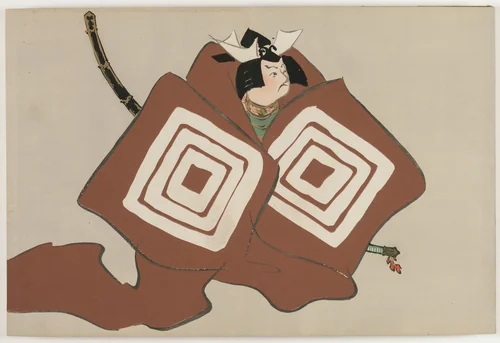
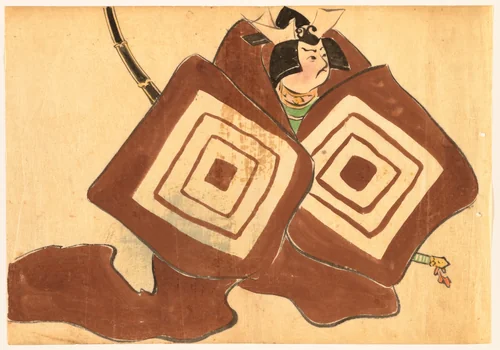
While deeply rooted in classical methodologies, Sekka was far from a mere revivalist. His work often infused traditional motifs with the flatness and simplified geometries trending in contemporary European design, creating a subtle, knowing dialogue between Eastern aesthetics and Western Art Nouveau principles. This sensibility is evident in complex designs like Bugaku Dancer and Wierook benodigdheden.
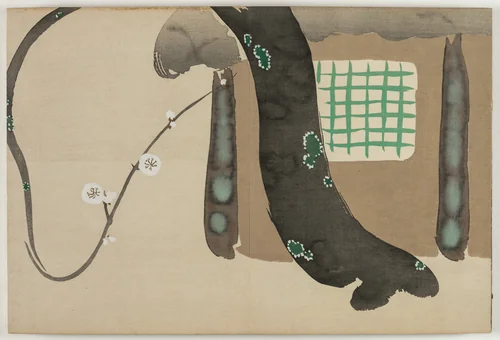
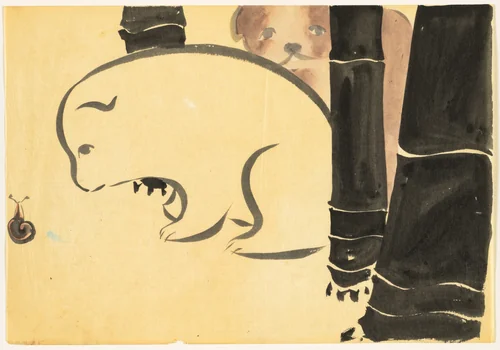
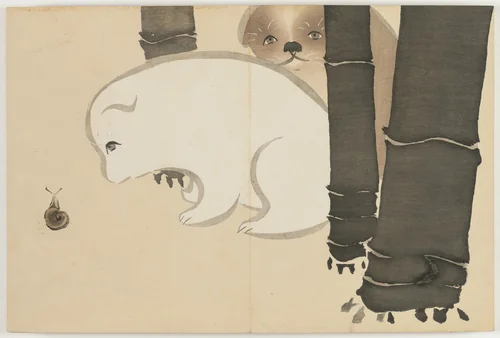
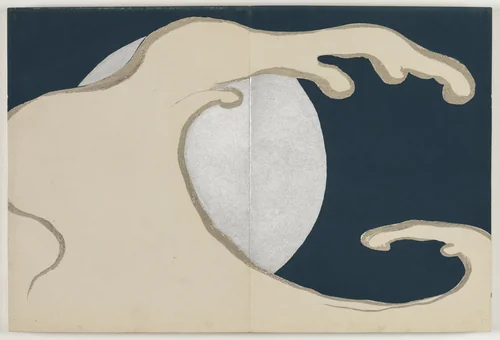
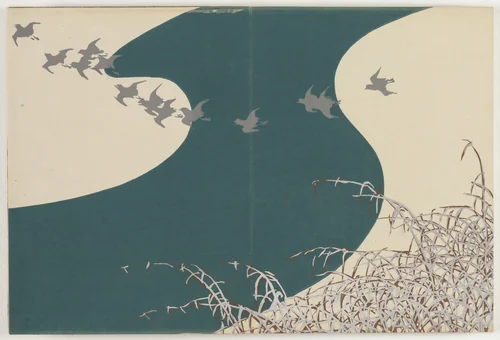
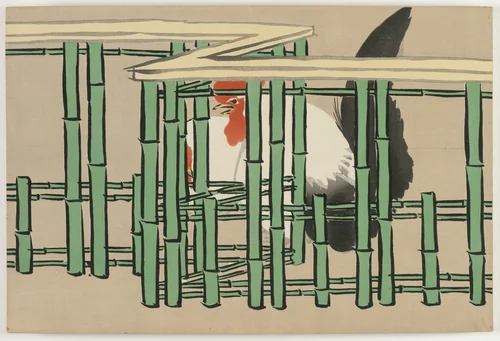
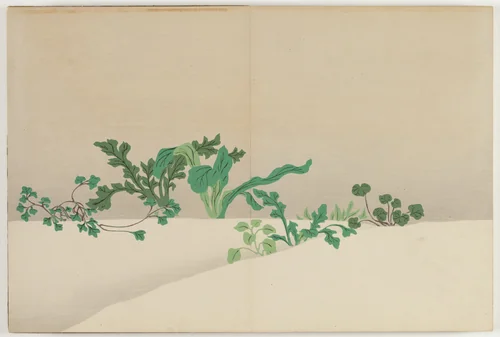
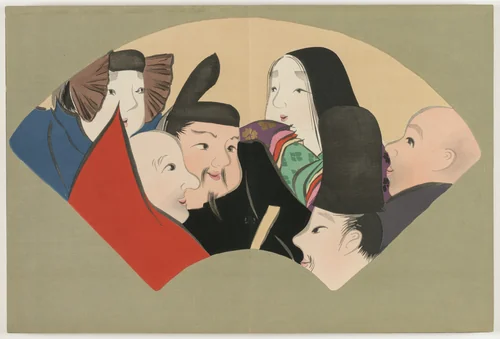
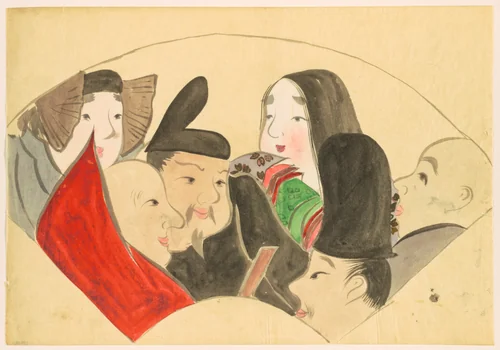
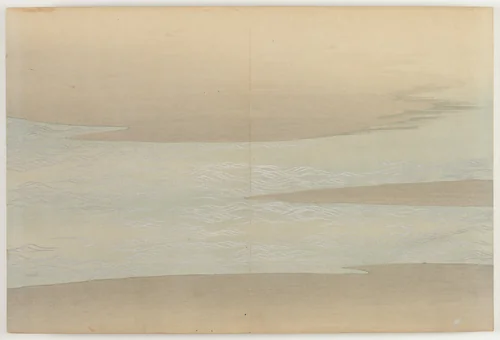
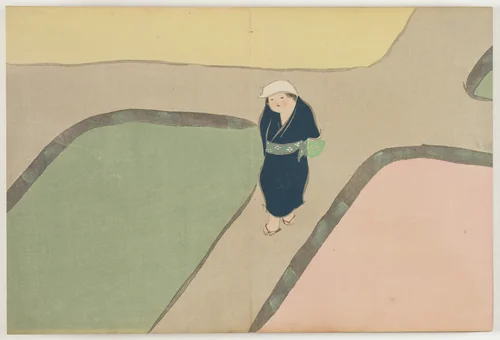
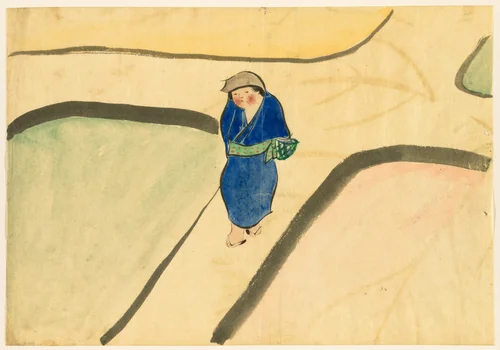
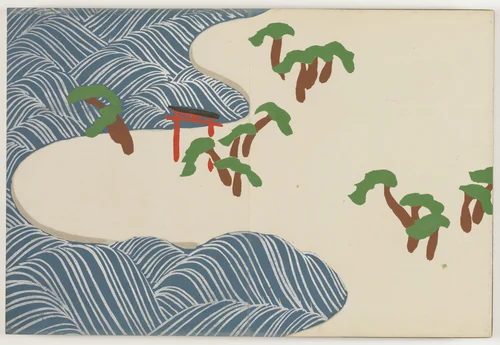
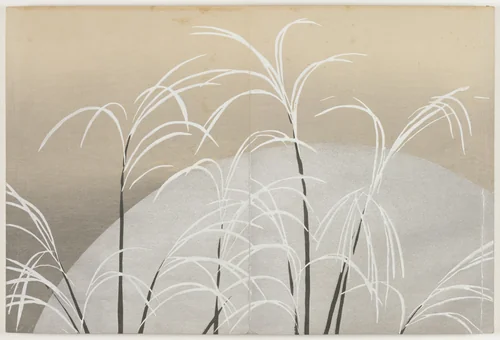
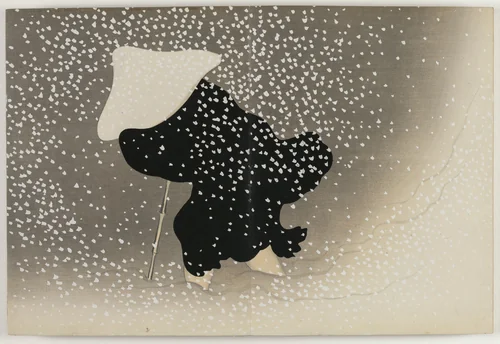
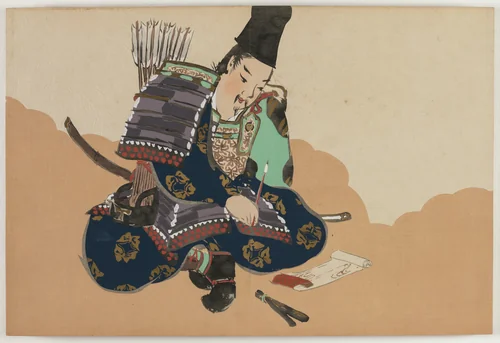
Sekka’s output was extensive and influential, measured not only by his drawings and prints but particularly through his design books. His commitment to disseminating sophisticated design led to the creation of his definitive publication, the three-volume woodblock collection, Flowers of a Hundred Worlds (Momoyogusa), completed around 1909. This masterpiece served as a comprehensive catalog of his design vocabulary, containing hundreds of distinctive compositions that remain highly influential.
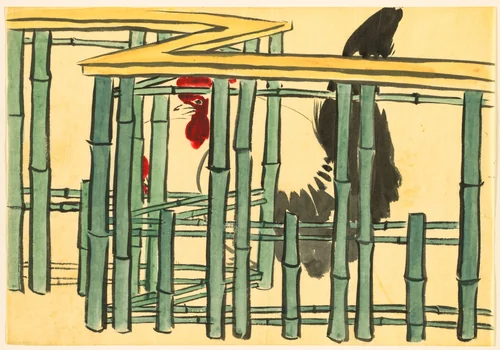
The clarity and innovative use of line in his work ensured his continued presence in international collections long after his active period concluded. Today, institutions such as the Rijksmuseum and the Cleveland Museum of Art safeguard his original designs, ensuring their status as museum-quality examples of early modern Japanese artistry. Much of Sekka’s graphic work, including studies for his distinctive, stylized flowers, resides within the public domain. This accessibility allows scholars and enthusiasts worldwide to access high-quality prints and downloadable artwork derived directly from his published editions, confirming Sekka’s profound and lasting influence on design history.
Source: Wikipedia · CC BY-SA 4.0