Jusepe de Ribera
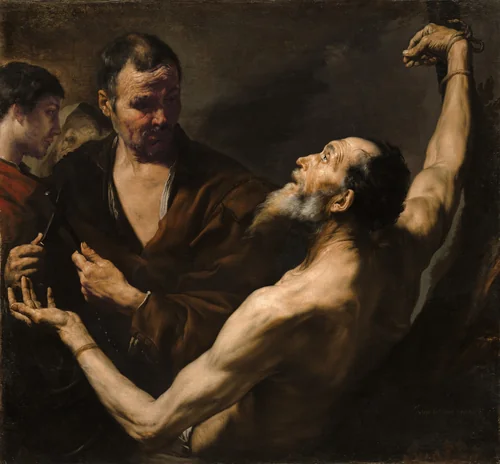
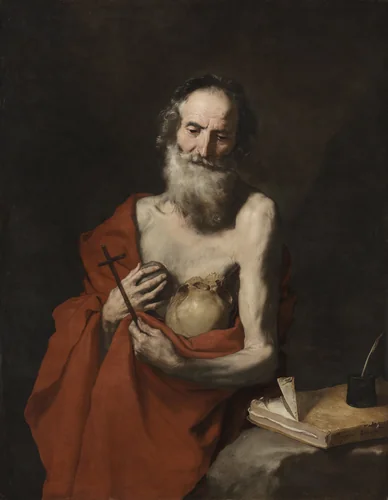
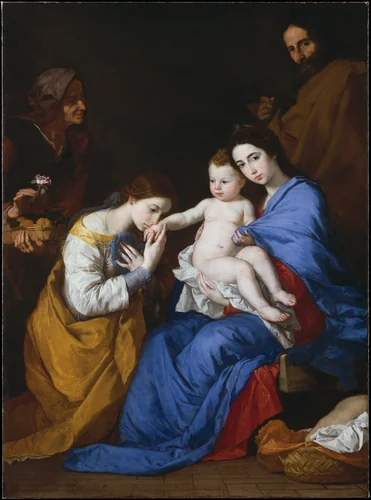
Jusepe de Ribera stands as one of the undeniable masters of the Spanish Baroque, occupying a critical historical position alongside contemporaries such as Francisco de Zurbarán, Bartolomé Esteban Murillo, and the singular genius of Diego Velázquez. Though Spanish by birth, Ribera became the undisputed protagonist of Neapolitan painting during the seventeenth century, a pivotal figure whose style profoundly influenced the art of the era. His powerful, often visceral, technique cemented his reputation across Europe, ensuring his prominence was felt far beyond the Iberian peninsula.
Known variously in records as José de Ribera or Josep de Ribera, he was frequently referenced by his Italian contemporaries by the affectionate moniker Lo Spagnoletto (The Little Spaniard), a common designation for foreign artists that, in Ribera’s case, perhaps hinted at his stature or merely served to distinguish the exceptionally talented Spaniard working abroad.
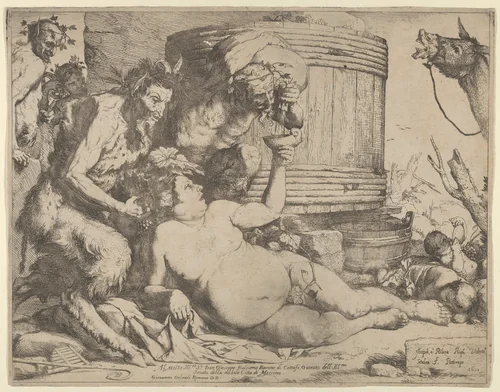
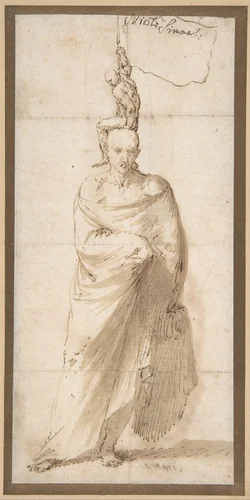
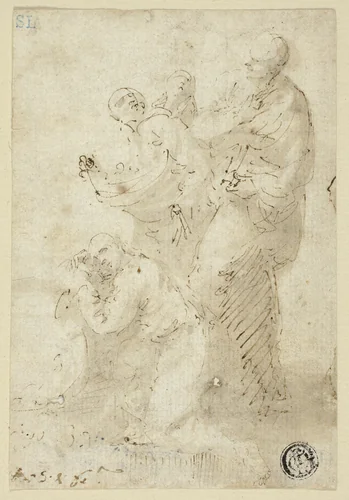
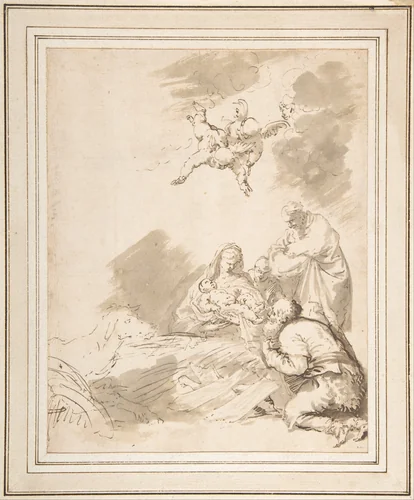
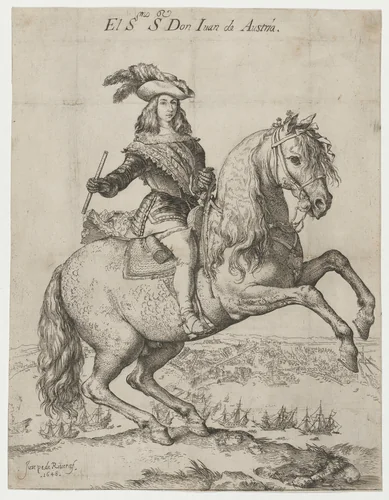
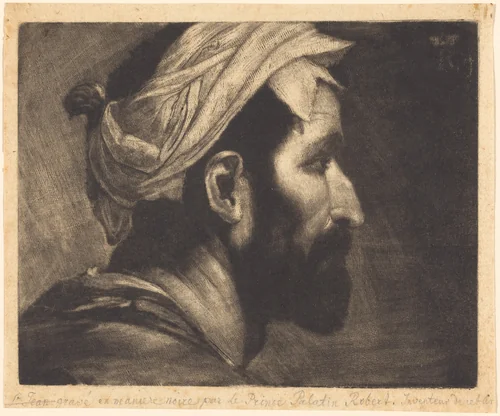
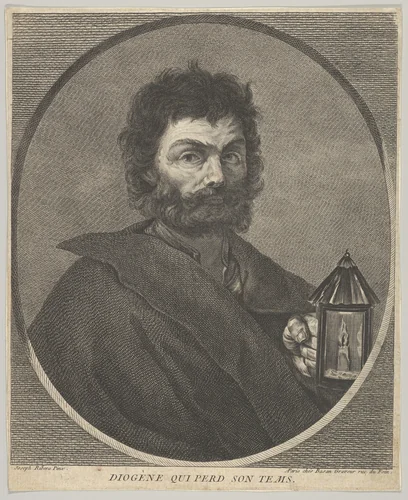
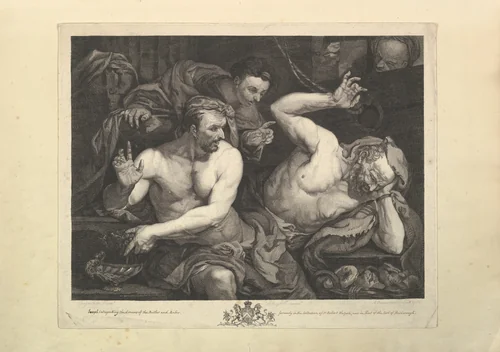
Ribera’s artistic command extended equally across painting and the graphic arts; he was a highly innovative and prolific printmaker and draftsman. His technical expertise is evident in his meticulous preparatory studies and prints, which demonstrate both anatomical rigor and dramatic chiaroscuro. Early graphic works, such as the detailed Studies of Two Ears and of a Bat, accompanied by the Latin motto FULGET SEMPER VIRTUS (Virtue always shines), reveal a profound commitment to detailed naturalistic study paired with philosophical gravity. Further drawings, including Figuurschetsen (Figure Sketches) and compositions like Unidentified Scene: Figures Watching a Fallen Giant and Another Figure Levitating, illustrate his versatile hand in capturing both the observed world and dramatic, kinetic narratives.
While institutions such as the Rijksmuseum, the Metropolitan Museum of Art, and the Art Institute of Chicago hold prime examples of his output, his comprehensive significance has become increasingly clear in recent decades. As the director Philippe de Montebello observed following a series of late twentieth-century exhibitions, Ribera emerged not merely as the greatest Neapolitan artist of his age, but securely established among the outstanding European masters of the seventeenth century. Today, detailed study of Jusepe de Ribera paintings and Jusepe de Ribera prints is facilitated by digitized collections, with influential graphic works available as high-quality prints for scholarly examination and public appreciation.
Source: Wikipedia · CC BY-SA 4.0