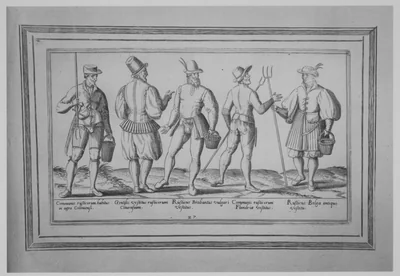
Julius Goltzius
Julius Goltzius (c. 1555 - post 1601) holds a critical position within the sophisticated milieu of late 16th-century Flemish graphic arts. Operating primarily from Antwerp, the major European capital for printmaking and publishing, Goltzius was recognized both as a professional engraver and a crucial publishing house principal. His body of work, though relatively small in number, reflects the era's intellectual fascination with geography, allegory, and narrative complexity, securing his place in major institutional collections, including the Rijksmuseum and the Metropolitan Museum of Art.
Goltzius’s professional destiny was largely determined by his immersion in an extraordinary artistic dynasty. He was the son of Hubert Goltzius, a revered polymath figure who excelled as a painter, printer, publisher, and humanist scholar. The maternal side of the family provided equal artistic weight; his mother, Elisabeth Verhulst, descended from a well-known line of painters and illuminators based in Mechelen. Notably, his aunt, Mayken Verhulst, was married to the esteemed Pieter Coecke van Aelst, making Goltzius a familial associate, by marriage, of Pieter Bruegel the Elder. This dense network highlights the concentrated artistic capital driving the creative output of Antwerp during the period.
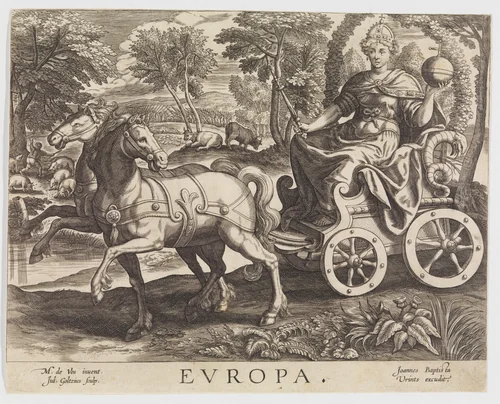
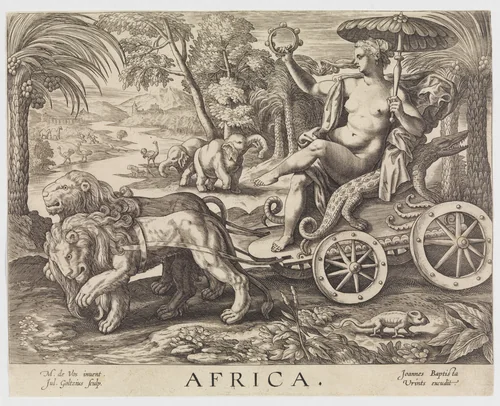
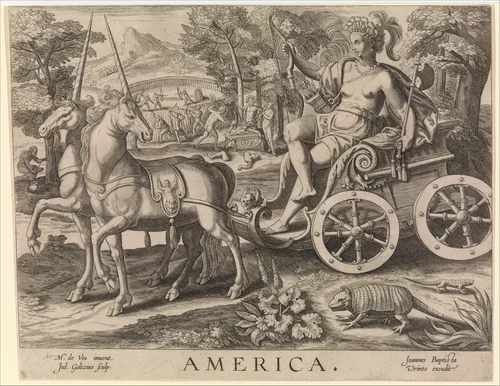
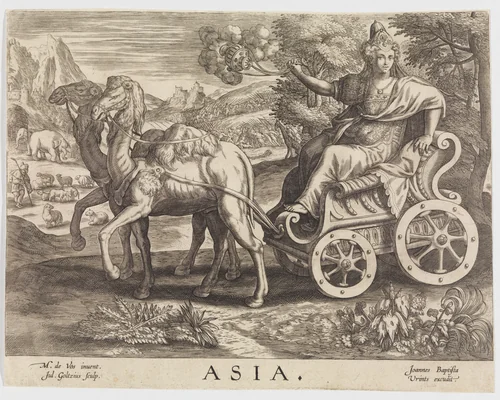
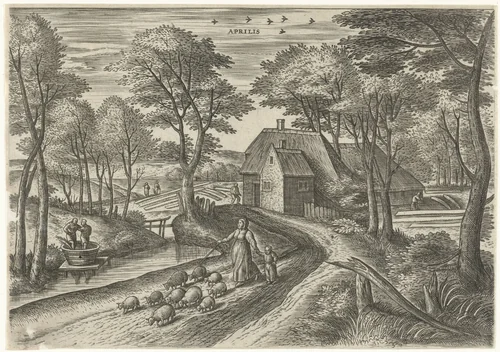
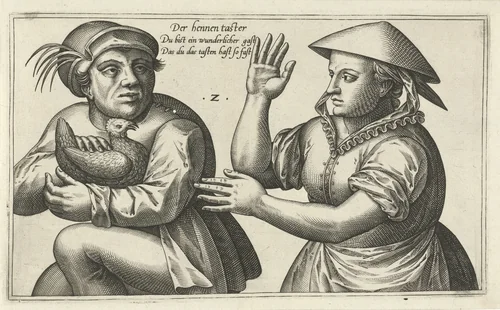
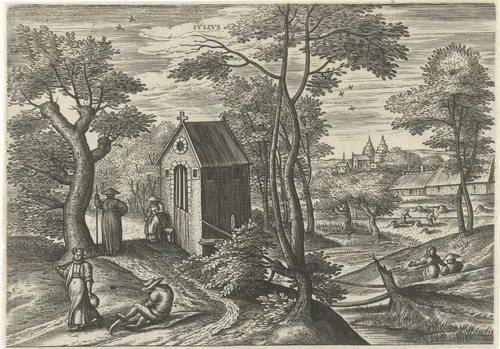
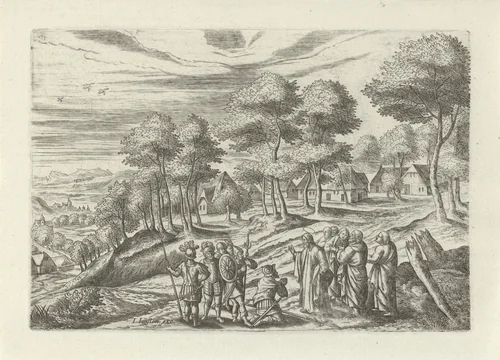
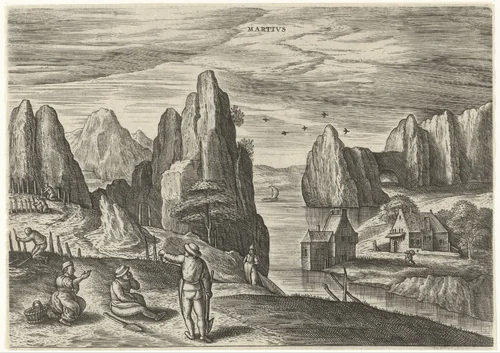
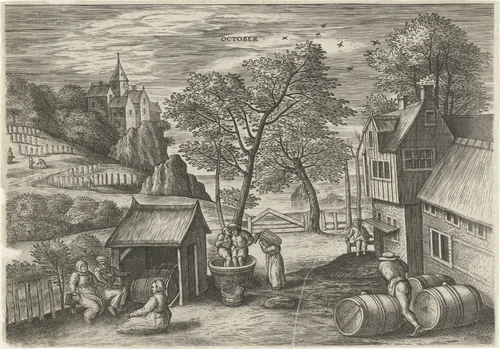
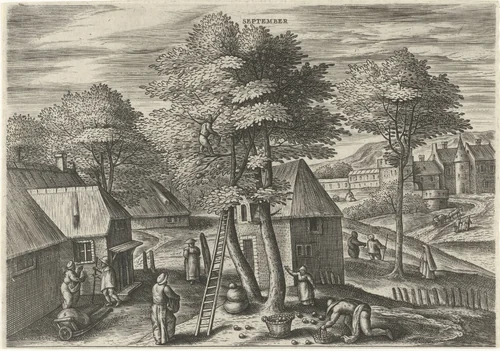
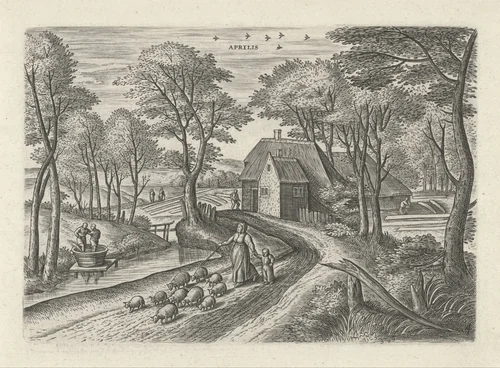
His output, encompassing roughly fifteen surviving works, showcases a mastery of etching and engraving, often dedicated to ambitious, thematic cycles. Chief among these is the allegorical series detailing global representation, "The Four Continents," which includes plates such as Europa, Allegory of Africa, Allegory of America, and Allegory of Asia. These compositions served not only as visual commodities but also as cartographic and anthropological statements, mediating how the contemporary European understood the rapidly expanding world. Smaller genre prints, such as April, suggest Goltzius also contributed to the cycles illustrating daily life or the calendar months. His legacy of museum-quality imagery is significant; while he married in Antwerp in 1587 and continued working there until his death after 1601, his influence extends into the present day. Thanks to their age and historical provenance, these high-quality prints have widely entered the public domain, providing royalty-free access to this foundational moment in print history.
Source: Wikipedia · CC BY-SA 4.0