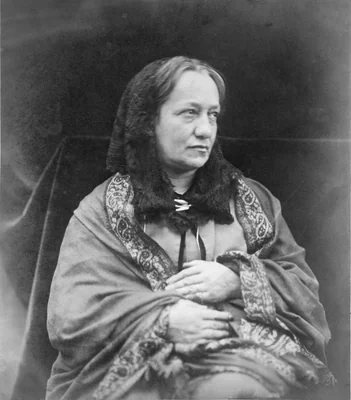
Julia Margaret Cameron
Julia Margaret Cameron (1815-1879) stands among the most significant photographic portraitists of the nineteenth century, fundamentally reshaping how the nascent medium was understood and practiced. Having received her first camera as a gift relatively late in life in 1863, her active period was surprisingly brief yet intensely productive, marked by a commitment to expressive, high-art objectives. Her works, held in major international collections including the Cleveland Museum of Art and the Metropolitan Museum of Art, demonstrate a unique blend of technical experimentation and psychological depth.
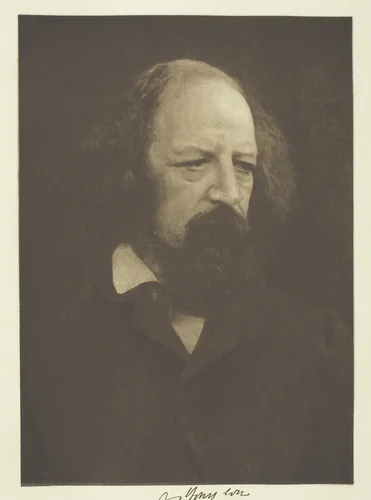
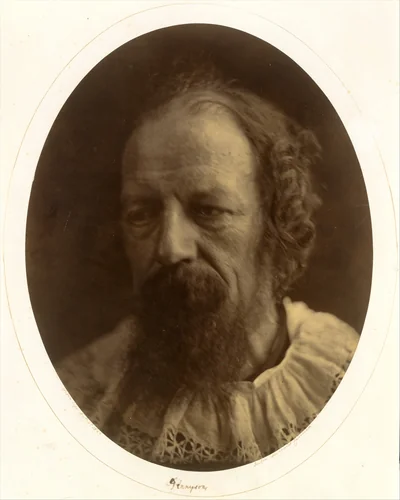
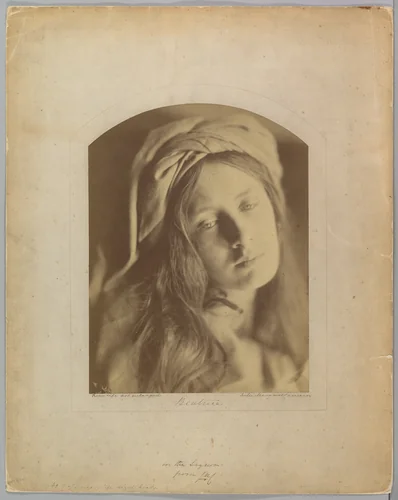
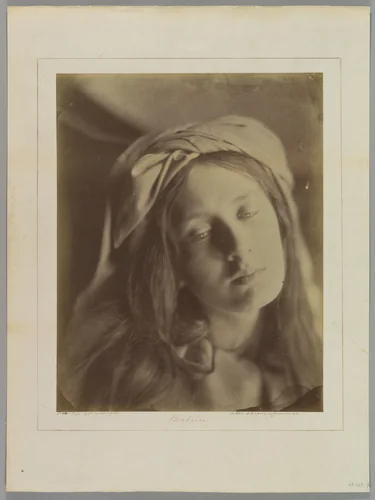
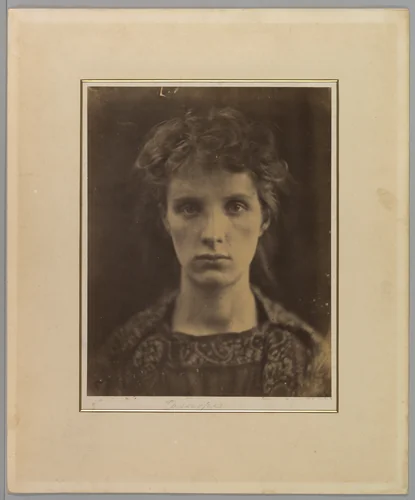
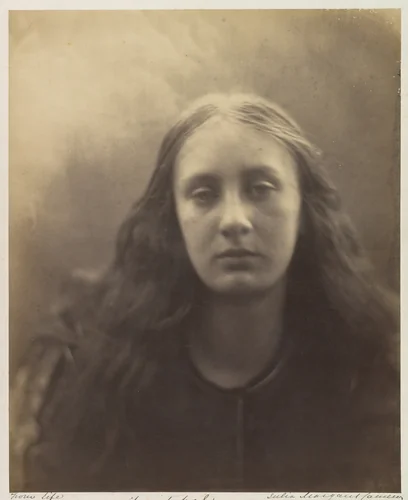
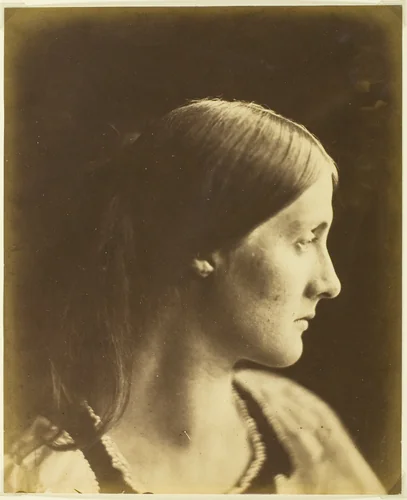
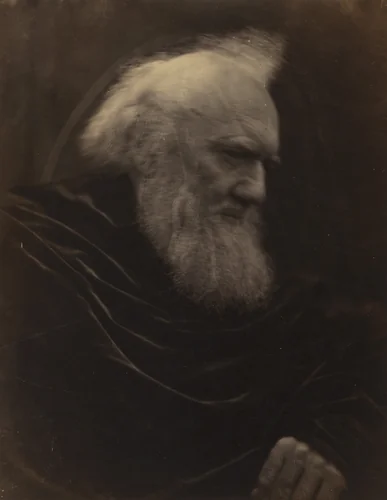
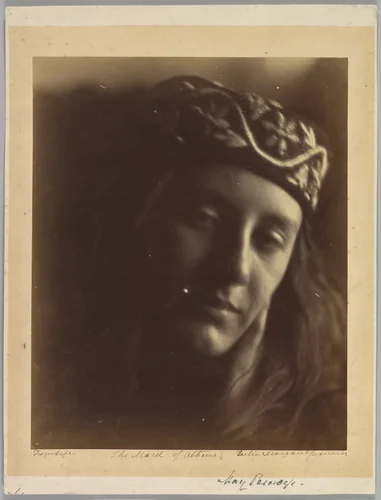
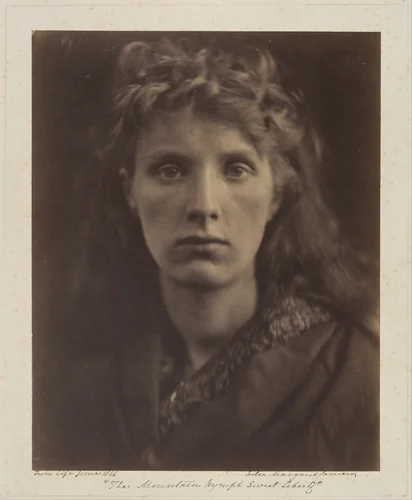
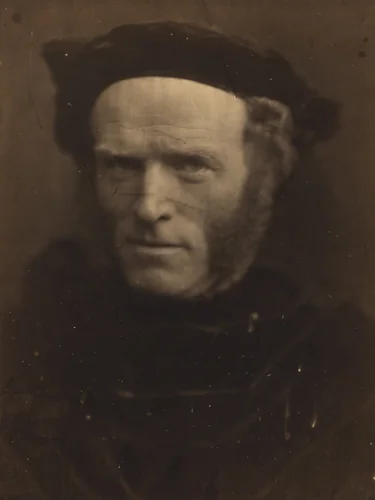
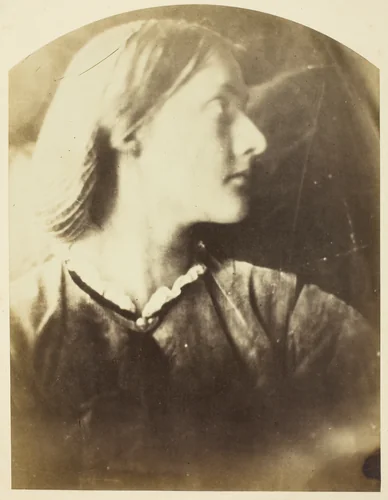
Cameron became renowned for her innovative technical approach. She deliberately eschewed the precise, clinical documentation favored by most contemporaries, instead championing the soft-focus close-up. This intentional blurring, often achieved through long exposures and selective focus, coupled with dramatic chiaroscuro lighting, imbued her sitters with an almost ethereal quality. This aesthetic choice was frequently criticized during her lifetime but is now celebrated as a key step in positioning photography as an artistic rather than purely mechanical endeavor. Her dedication ensured that her portraits, such as the famous studies of Julia Jackson and Alfred, Lord Tennyson, transcended simple documentation, transforming her subjects into timeless, emotive figures.
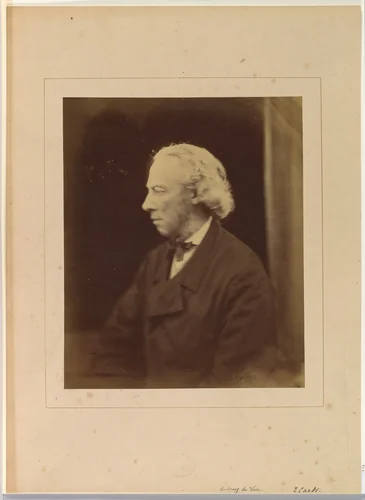
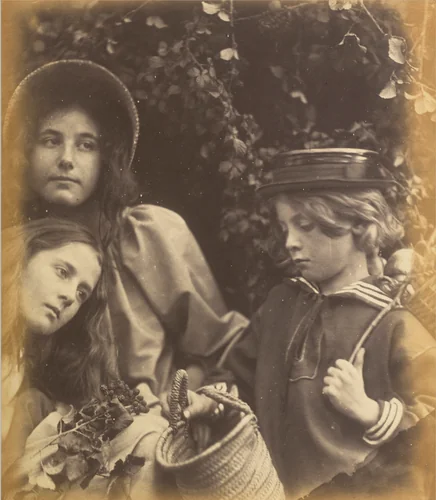
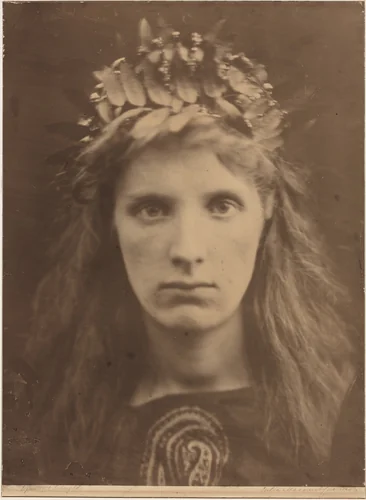
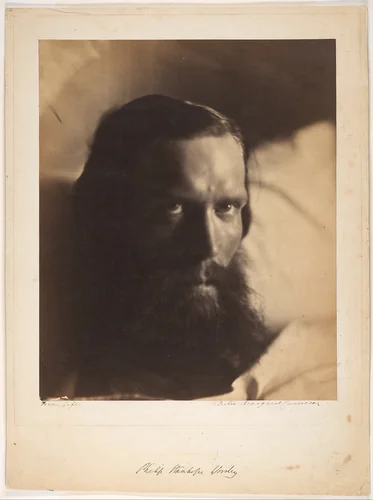
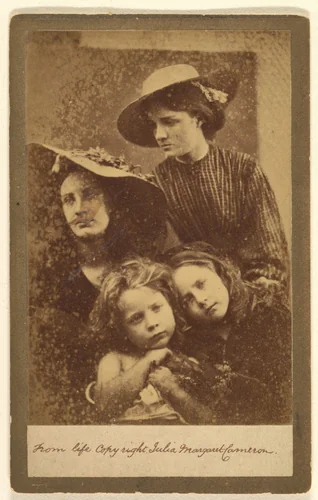
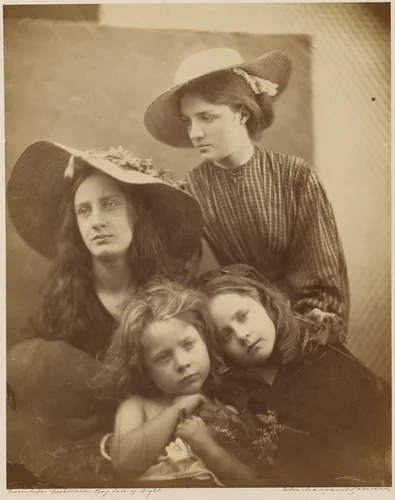
Her prolific output can be broadly categorized into two types: penetrating character studies of illustrious Victorians, many of whom were part of her intellectual circle; and ambitious illustrative tableaux drawn from literary, mythological, and religious sources, exemplified by works like The Neopolitan and The Lily and the Lamb. These allegorical pieces sought to establish an equivalence with painting, elevating the emotional and narrative capacity of the photograph. Perhaps the most remarkable aspect of her career is the intense mastery she achieved in such a compressed timeframe, beginning her serious photographic practice in her late forties.
Cameron’s profound impact on portraiture ensures her lasting legacy. By prioritizing mood and expression over precise fidelity, she established a visual language that deeply influenced subsequent generations of photographers. Today, the enduring quality of her works means that many of her celebrated images are now in the public domain, allowing access to high-quality prints that retain the subtle intensity of her original vision.
Source: Wikipedia · CC BY-SA 4.0
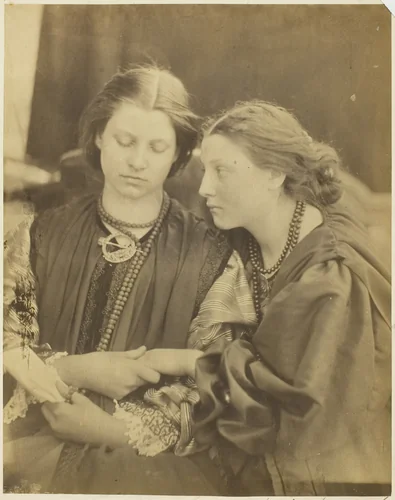
![[Mary Ryan] by Julia Margaret Cameron, photograph, 1865-1866](https://img.artbee.org/ab8b4d3f-bdff-4a66-98fe-b1927745f2fa/small.webp)