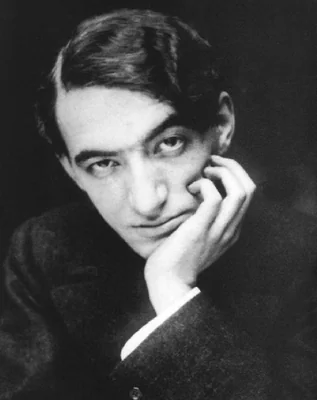
Jules Pascin
Julius Mordecai Pincas (1885-1930), known simply as Jules Pascin, remains one of the most distinctive and highly sought-after draftsmen associated with the School of Paris in the early twentieth century. Though Bulgarian by birth, and later becoming an American citizen, Pascin’s artistic identity was intrinsically linked to the cultural milieu of Montparnasse, where his charm and central role in bohemian life earned him the enduring, slightly romanticized sobriquet, "The Prince of Montparnasse."
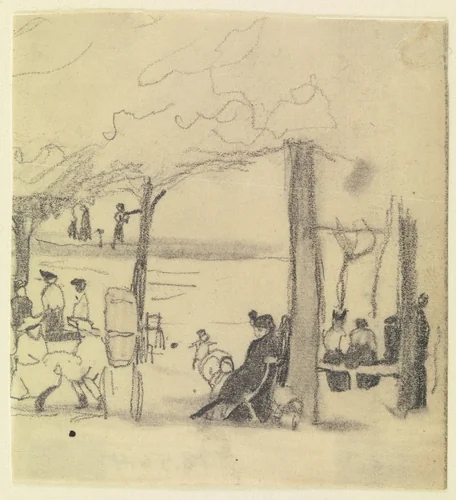
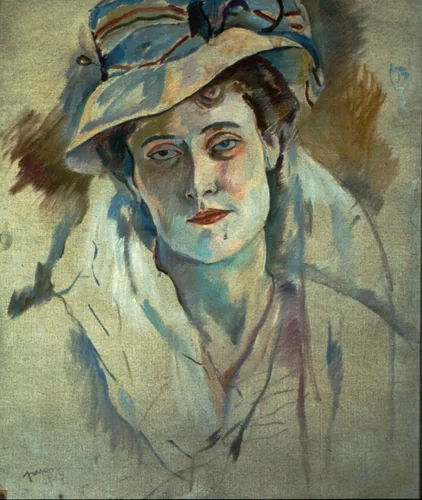
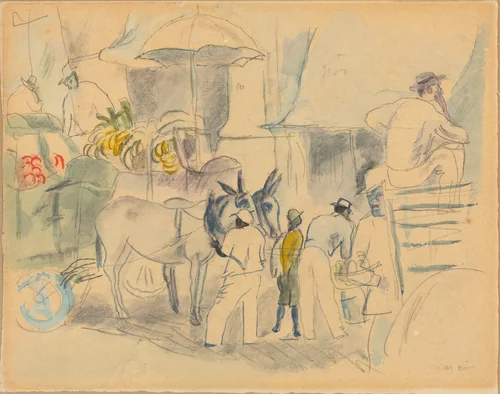
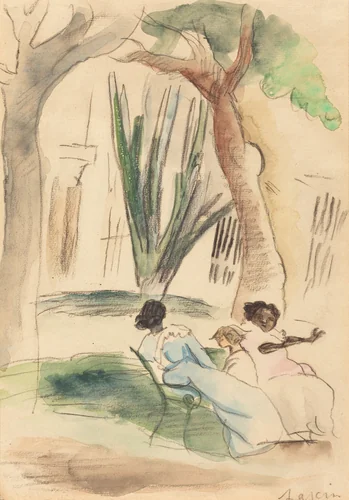
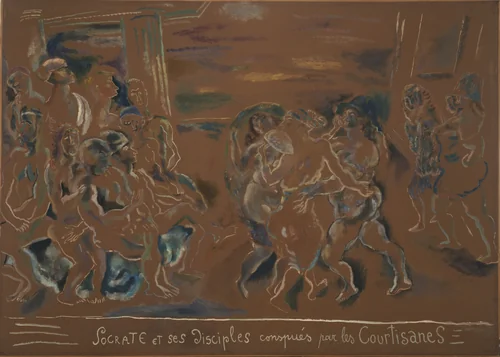
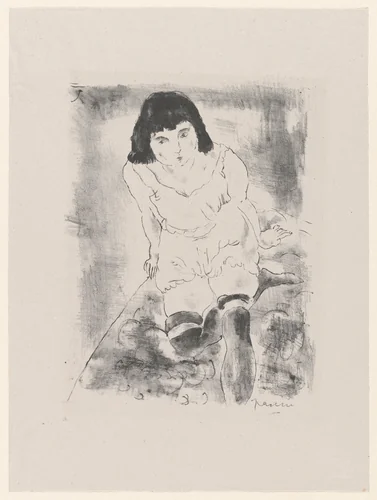
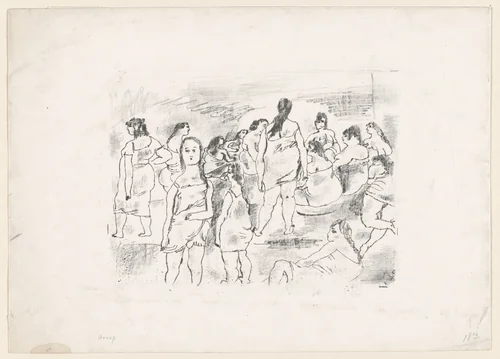
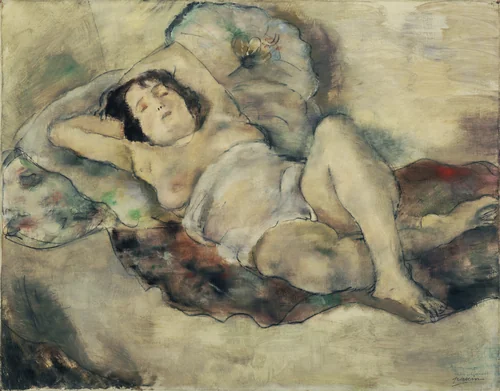
Pascin’s artistic output, active primarily from 1905 to 1927, was dominated by figure studies. His most frequent subject was women, captured in moments of private reverie or exhausted repose, often nude or partly dressed. These depictions stand apart from the era’s academic tradition; instead of idealized forms, Pascin rendered his subjects with a sensitive, almost anxious line that communicated human fragility and intimacy. His canvases, such as Havana or the earlier portrait Hermine David, demonstrate a singular technique: delicate, nervous lines overlaid by loose washes of color. This layering resulted in a shimmering, translucent quality that softened edges and suggested atmosphere more than explicit definition.
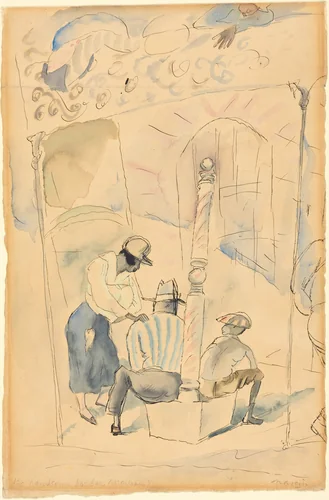
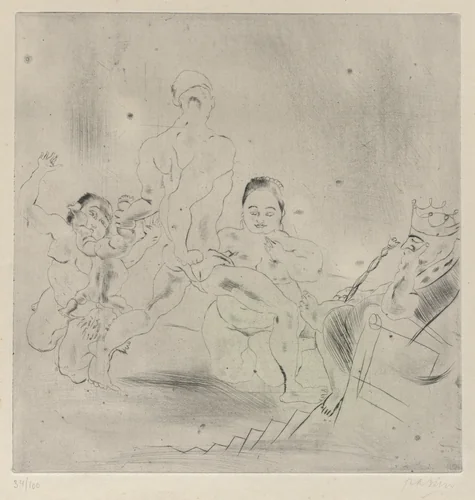
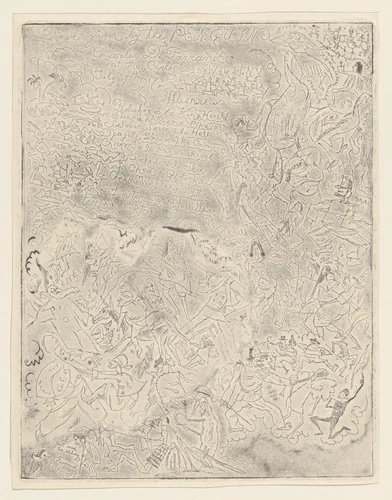
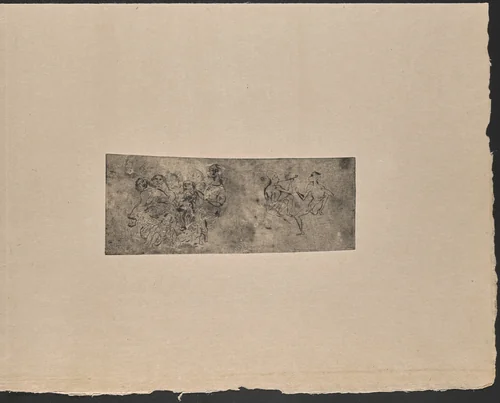
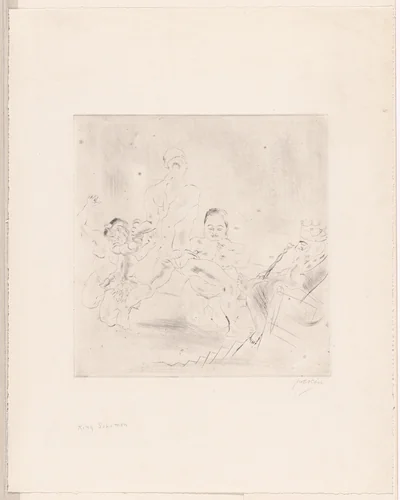
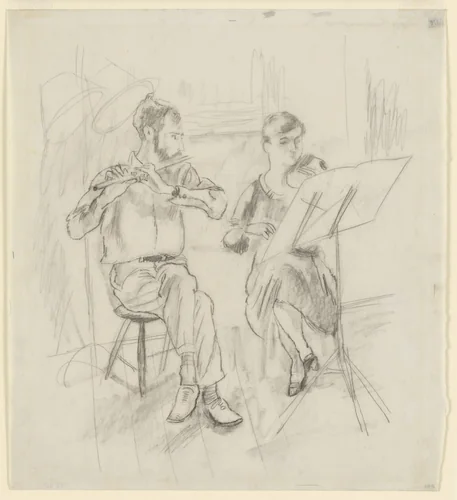
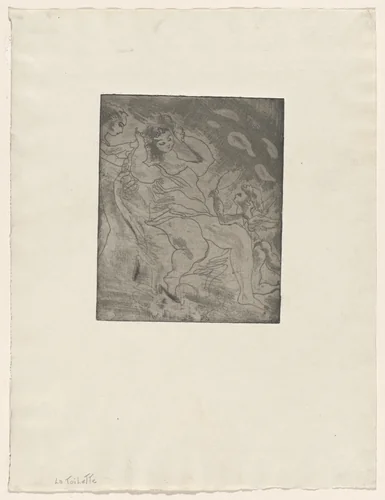
His facility with line made his graphic work, including studies like The Handsome Barber and complex compositions such as The Judgment of Solomon, equally important to his legacy as his oil Jules Pascin paintings. Pascin’s commitment to observational figuration and his profoundly personal, sensual approach maintained relevance even as abstraction began to dominate critical discussion.
Pascin’s unique sensibility is recognized globally, with major holdings of his works on paper and canvas maintained by institutions like the Museum of Modern Art, the Art Institute of Chicago, and the National Gallery of Art. It is perhaps telling that an artist so adept at capturing the subtle vulnerabilities of others maintained a legendary, almost theatrical public persona, becoming the enigmatic focal point of Parisian society. For enthusiasts and scholars today, the availability of high-quality prints sourced from the public domain ensures this influential style continues to circulate widely.
Source: Wikipedia · CC BY-SA 4.0