Jules de Goncourt
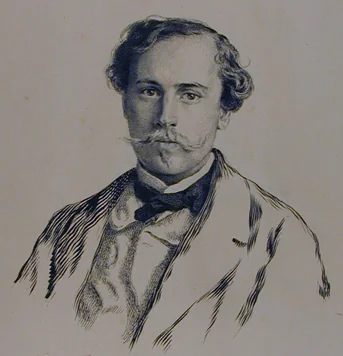
Jules Alfred Huot de Goncourt (1830-1870) holds a distinctive, dual position within the visual and literary history of the mid-nineteenth century. While internationally recognized as the co-author, alongside his brother Edmond, of seminal Naturalist novels and the foundational Journal des Goncourt, his dedicated output as a draftsman and printmaker offers essential insight into the private life of the Second Empire. De Goncourt was active in the visual arts, primarily producing etchings and sketches, from approximately 1830 until 1865.
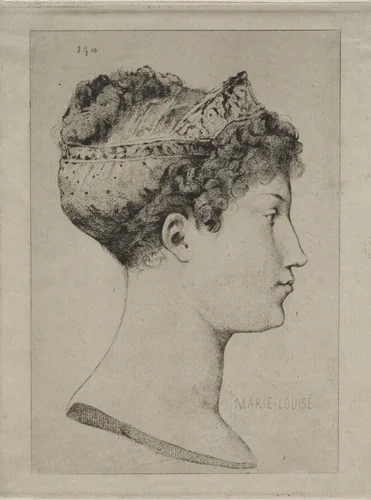
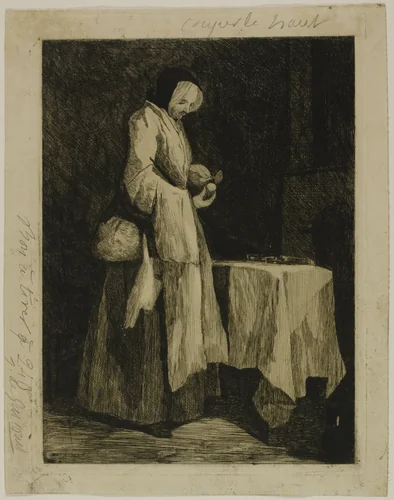
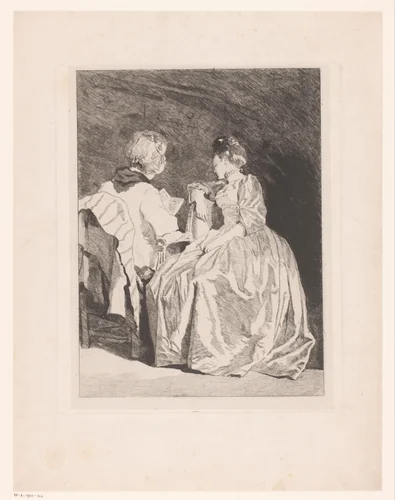
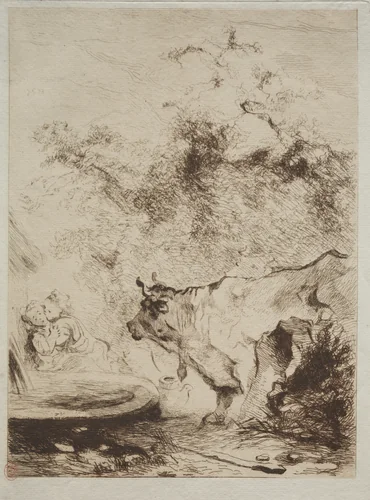
His surviving oeuvre consists of sharply observed prints and drawings, functioning less as grand compositions and more as visual diary entries. De Goncourt’s method focused on capturing intimate, immediate moments, a parallel pursuit to the psychological realism he and his brother championed in their prose. This commitment to domestic observation is evident in pieces such as Meal for a Convalescent and the observational depth of Marie Louise in Profile, works that possess a striking, unvarnished quality.
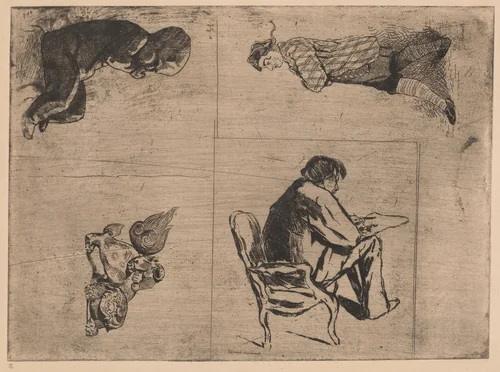
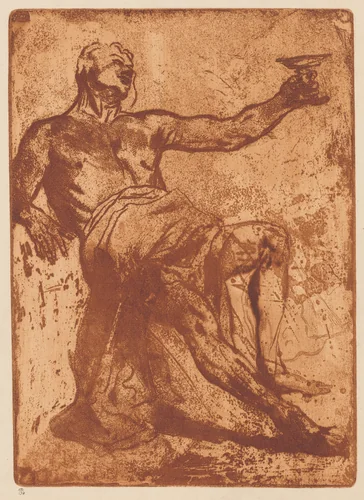
The historical significance of his visual work is confirmed by its presence in major institutional holdings, including the Rijksmuseum, the Art Institute of Chicago, and the National Gallery of Art. These collections preserve his unique vision of contemporary intellectual and private life. Works such as Academy and Edmond dessinant (Edmond Drawing, Stenterello, and Other Sketches) are considered museum-quality documents, meticulously chronicling the social circles and professional activities of Parisian elites.
De Goncourt’s execution is spontaneous and narrative-driven, favoring the candid moment over polished technique. His style often employed quick, assured lines to convey mood and atmosphere. Despite the limited scope of his print production, these historical items continue to circulate globally. He died tragically young in Auteuil at the age of 39. His untimely death was determined to be a stroke brought on by syphilis, lending a grim, historically specific footnote to a life devoted to the critical observation of modern society. Today, high-quality prints of his work are widely available through the public domain, allowing his precise eye for human behavior to endure.
Source: Wikipedia · CC BY-SA 4.0