Jules Boilly
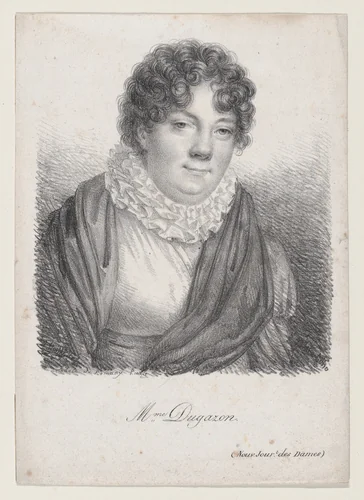
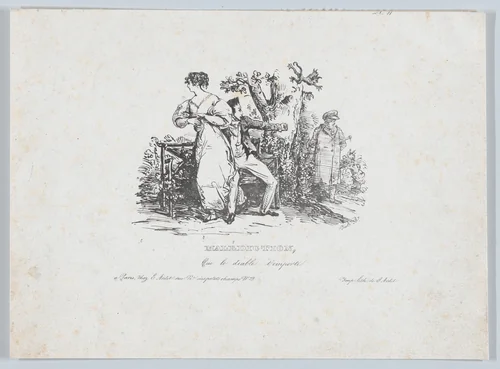
Julien-Léopold Boilly, known professionally as Jules Boilly, was an early 19th-century French artist whose brief but highly productive career was defined by his systematic visual documentation of the intellectual aristocracy of the Bourbon Restoration. Active primarily between 1810 and 1832, Boilly employed the relatively new technology of lithography to produce stark, detailed portraits of France’s leading academics and scientists, establishing himself as a crucial chronicler of the period’s scientific community.
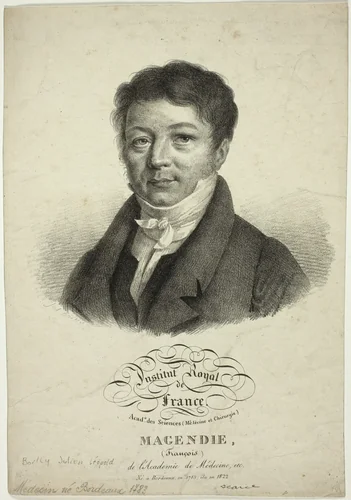
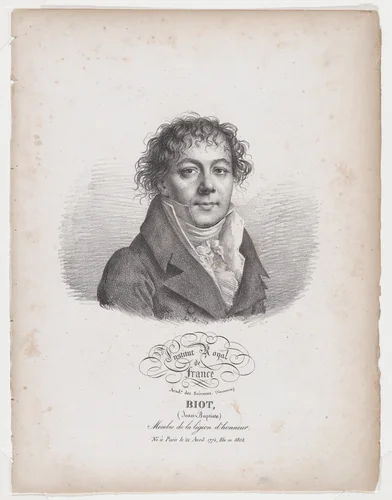
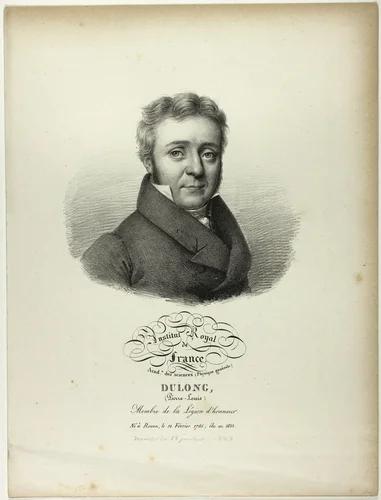
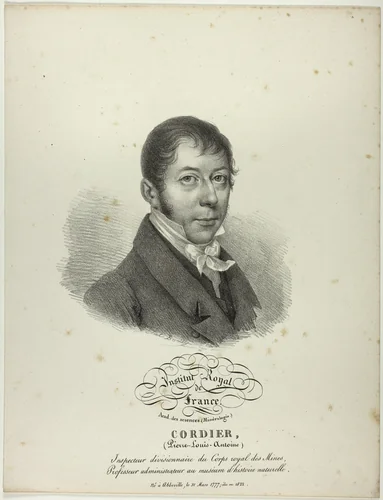
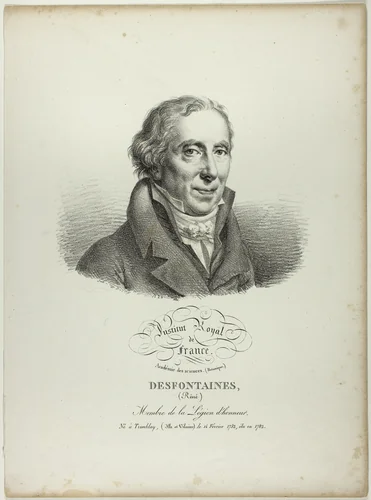
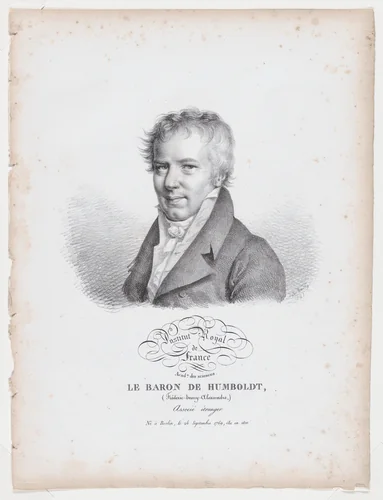
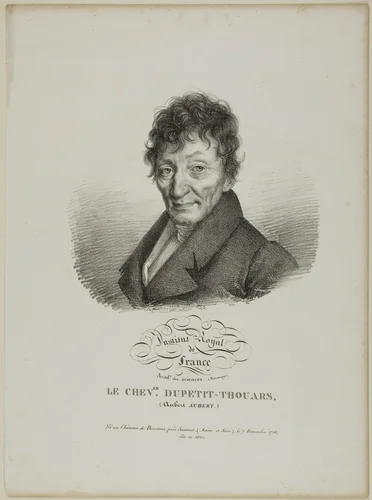
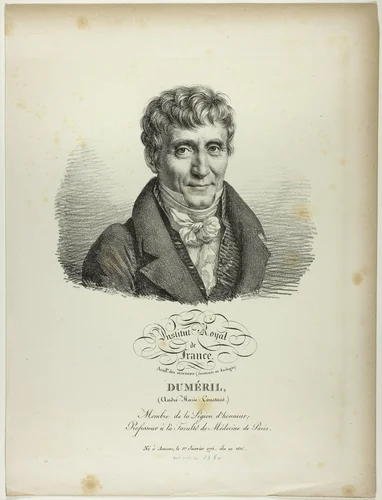
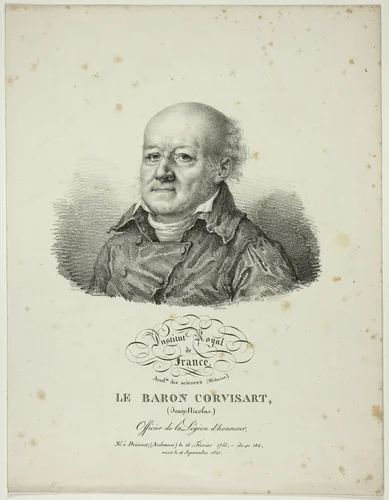
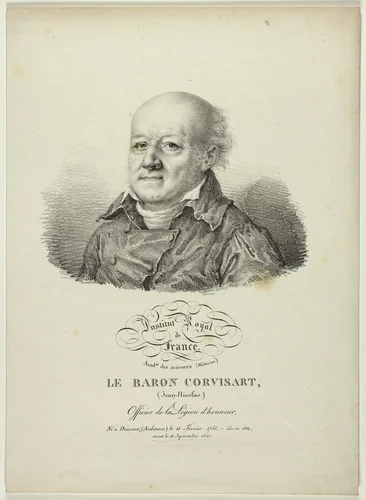
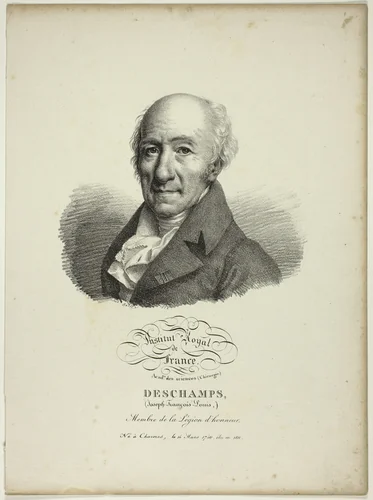
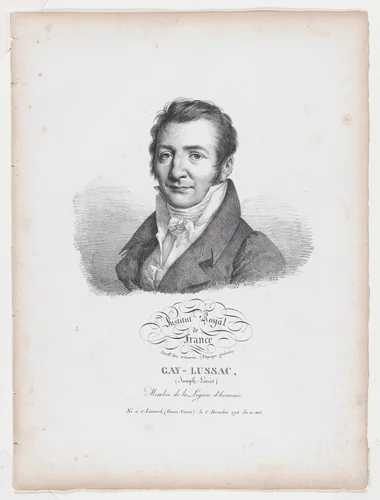
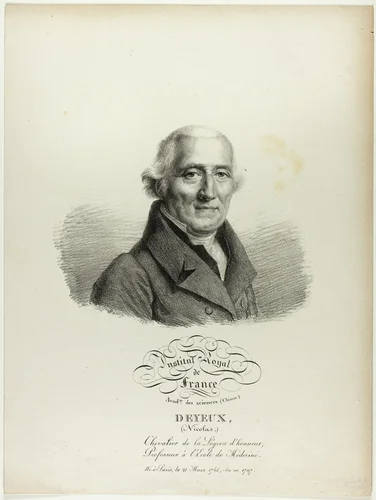
Boilly’s most significant contribution remains the Iconographie de l'Institut Royal de France (1820–1821), an expansive album of prints comprising fifteen known examples. This collection captured members of the prestigious Institute, creating definitive likenesses of figures whose work laid the groundwork for modern science. Among the subjects documented were the physiologist François Magendie, the physicist Jean-Baptiste Biot, and the chemist Pierre-Louis Dulong. These high-quality prints reveal Boilly’s meticulous draughtsmanship and technical mastery of the lithographic medium, distinguishing his output from that of many contemporary engravers.
Yet, Boilly was not exclusively devoted to academic gravity. His output included a secondary, more irreverent project, the Album de 73 portraits-charge aquarellés des membres de l'Institut (1820). This fascinating collection of seventy-three watercolor caricatures demonstrates a subtle, discerning wit, capturing the personalities behind the institutional facades. Intriguingly, it is through this album of playful satire that the art world possesses the only known portrait of the notoriously reclusive mathematician Adrien-Marie Legendre.
Today, the historical and artistic importance of Jules Boilly prints is underscored by their presence in major institutions, including the Metropolitan Museum of Art and the Art Institute of Chicago. The detailed nature of his work provides essential historical insights, and as much of his work exists within the public domain, scholars and enthusiasts frequently seek downloadable artwork derived from these original plates, ensuring the longevity and accessibility of his visual record.
Source: Wikipedia · CC BY-SA 4.0