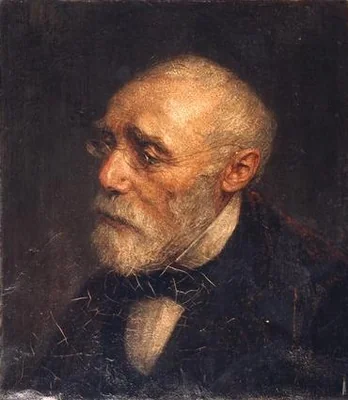
Jozef Israëls
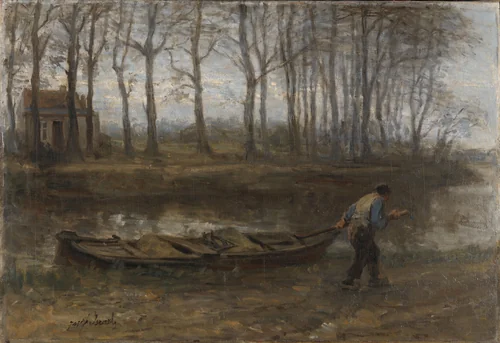
Jozef Israëls (1824-1911) stands as a foundational figure in Dutch realism, earning renown during his lifetime as "the most respected Dutch artist of the second half of the nineteenth century." His importance is inextricably linked to the collective of painters known as the Hague School, a movement that fundamentally shifted Dutch artistic focus away from historical grand narrative toward the honest, immediate depiction of contemporary life.
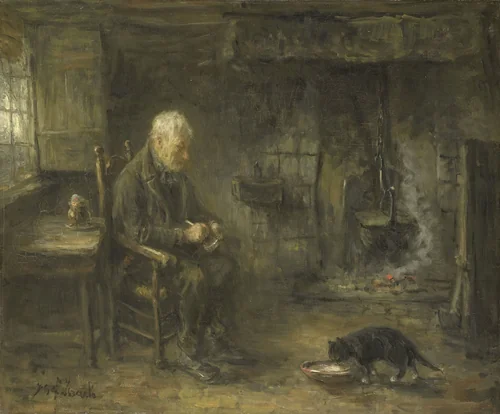
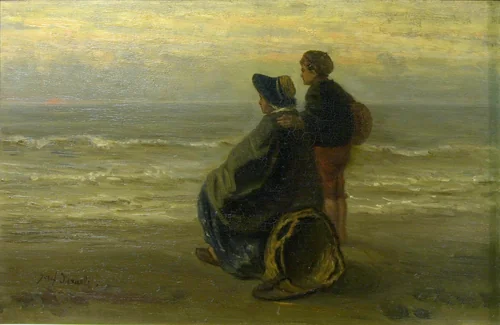
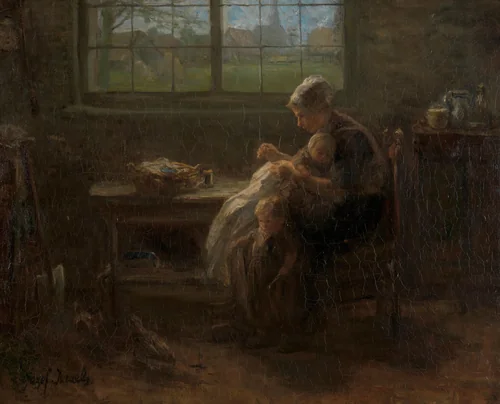
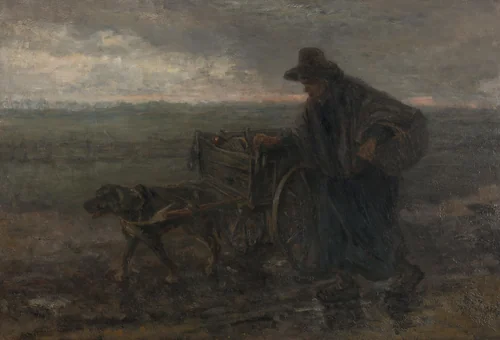
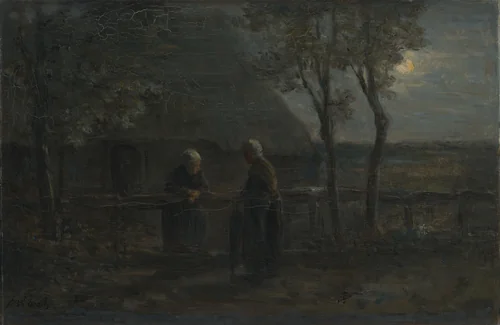
The Hague School largely rejected academic polish, championing a truthful representation of the Netherlands' distinct atmospheric light, landscape, and, most critically, the daily struggles of its common inhabitants. Israëls specialized in intimate, empathetic portrayals of fisher folk and the dignity found in domestic labor and hardship. This dedication to quiet humanism defined his massive output across painting, drawing, and printmaking.
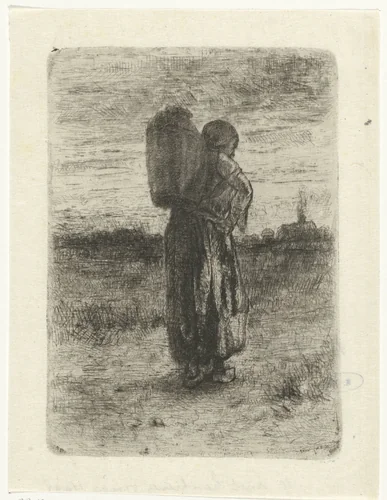
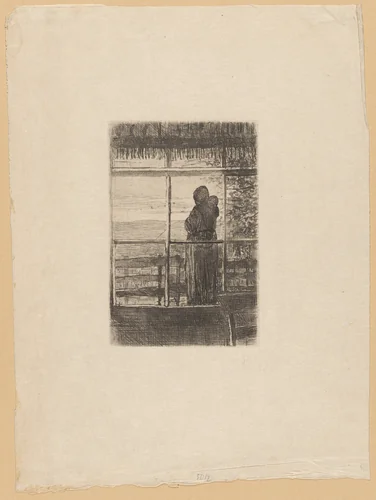
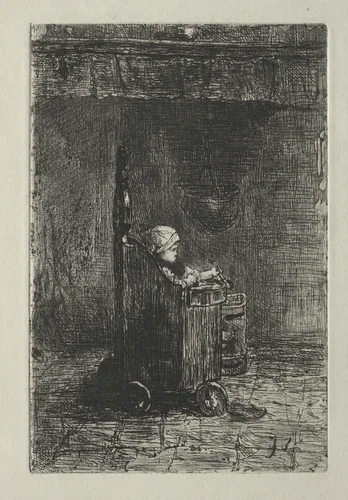
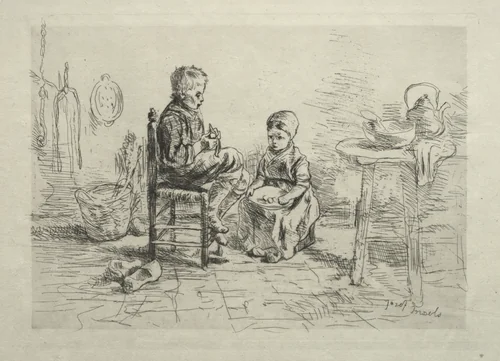
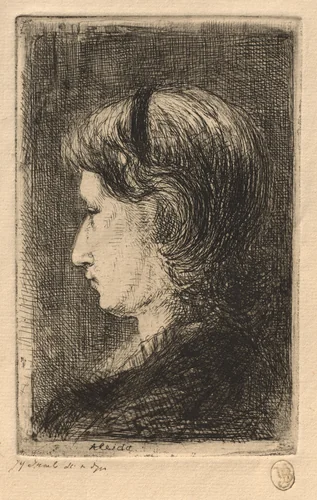
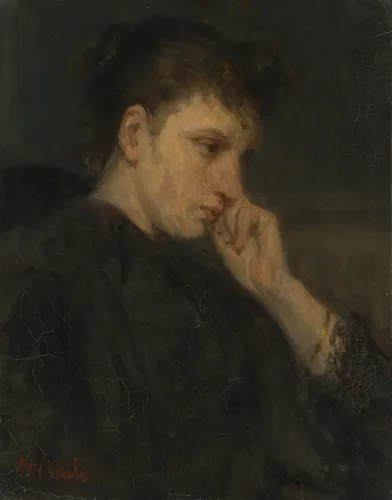
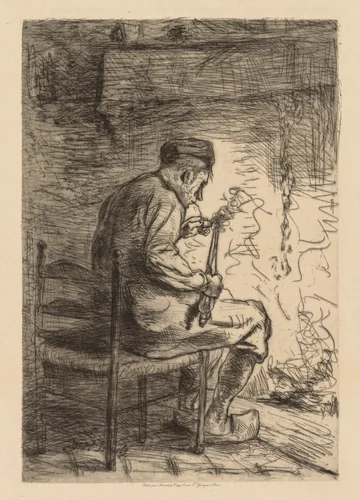
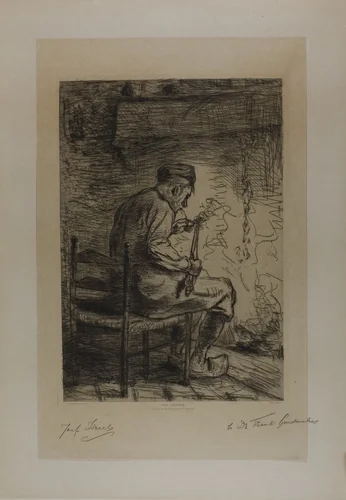
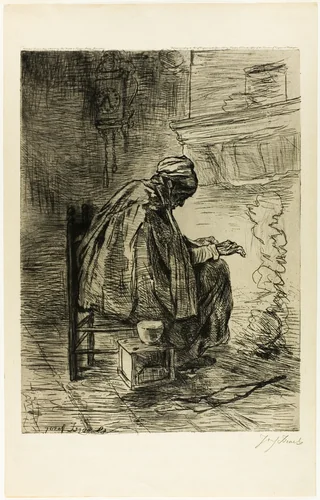
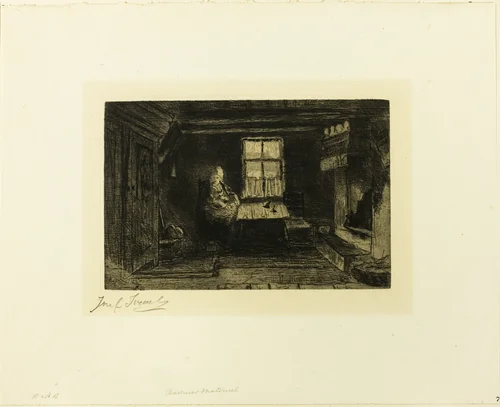
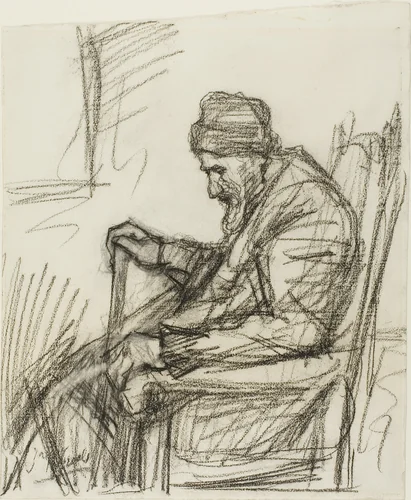
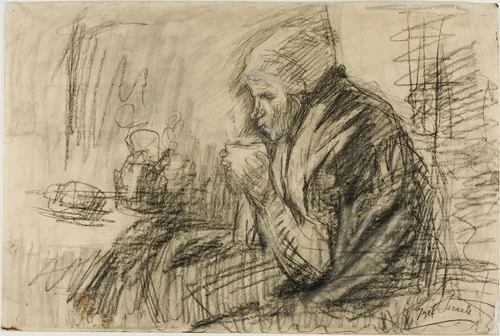
While primarily celebrated for his Jozef Israëls paintings, his technical mastery extended into graphic arts. Early works in the Rijksmuseum collection, executed around 1834-1835, demonstrate a sophisticated command of line and shadow, essential skills later deployed in his major canvases. These precise prints and drawings often centered on specific genre scenes, such as the focused study of labor in De schoenmaker or the tender genre scene De zieke buurman.
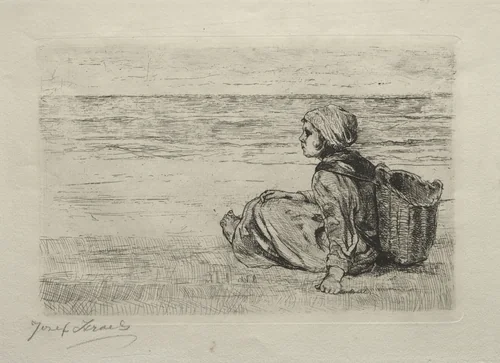
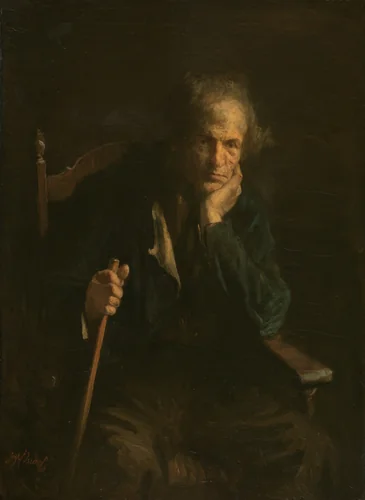
Israëls excelled at capturing the harsh poetry of the coast and the resilience of those who relied upon it. Examples like the character study Katwijkse oude vrouw or the grounded activity shown in Kinderen spelend met een scheepje aan het strand show his unwavering commitment to his subjects. He had an unusually long and influential career, spanning the transition from Romanticism to near-modern sensibilities. It is perhaps a subtle irony that an artist so widely celebrated for conveying melancholy and hardship became one of the wealthiest and most highly regarded cultural figures in the country, successfully turning empathy into international prestige.
His enduring legacy ensures that his work remains crucial for understanding late nineteenth-century European art. Today, much of his extensive graphic output, including detailed studies for major compositions, has entered the public domain. This accessibility allows institutions to offer high-quality prints and downloadable artwork, ensuring the quiet, compelling humanism of Jozef Israëls remains visible for researchers and art enthusiasts globally.
Source: Wikipedia · CC BY-SA 4.0