Josua de Grave
Josua de Grave (active 1652-1675) was a Dutch Golden Age draughtsman whose surviving oeuvre provides focused insight into the visual culture of the mid-17th century, a period defined by Dutch geographical exploration and military expansion. While sources identify him as a draughtsman and painter, his lasting contribution resides overwhelmingly in his fifteen known surviving drawings, which expertly blend architectural precision with a sense of observed life.
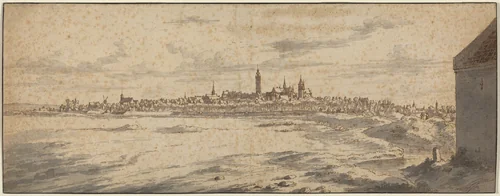
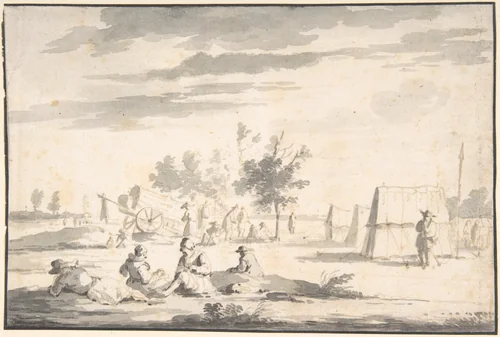
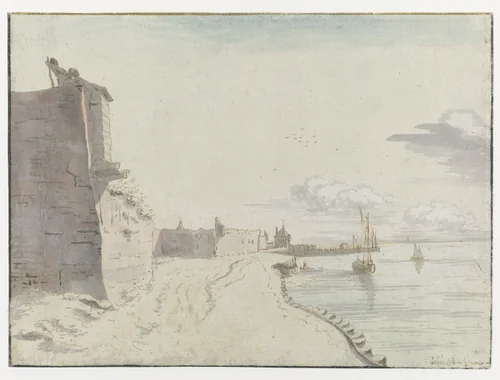
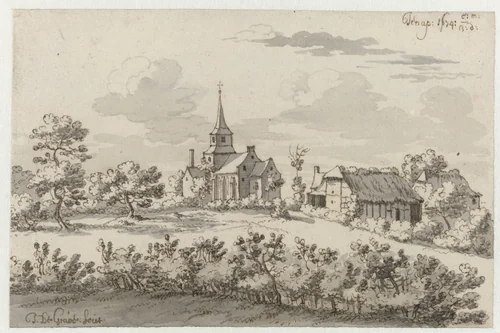
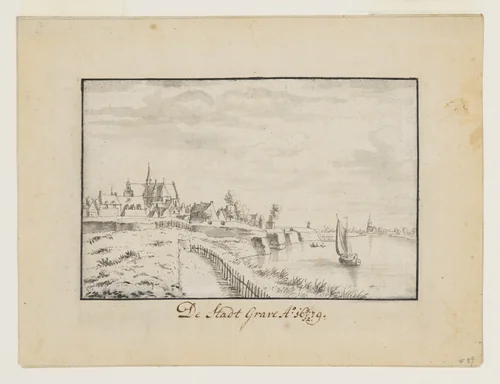
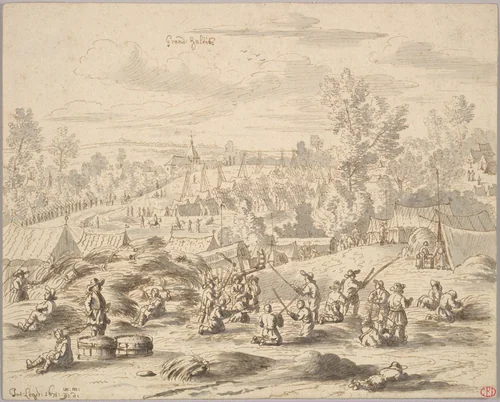
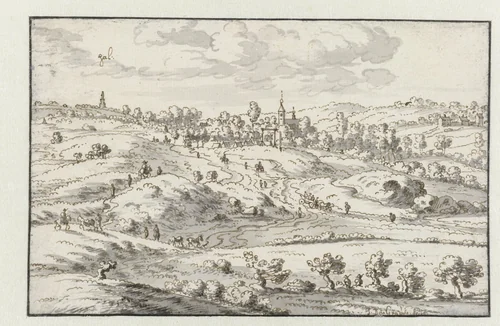
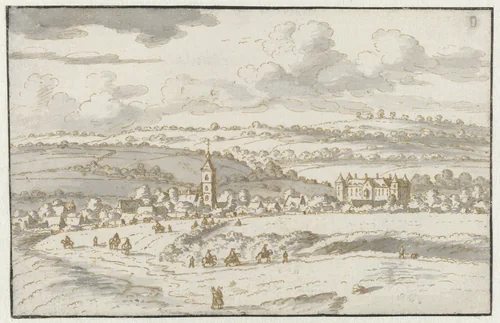
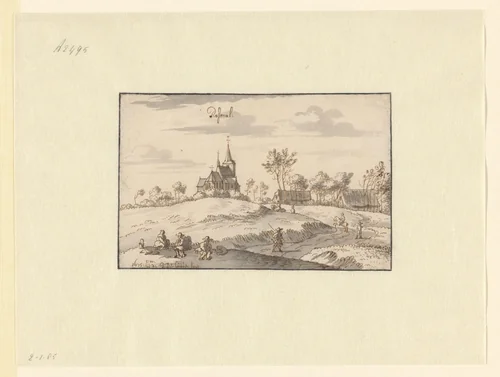
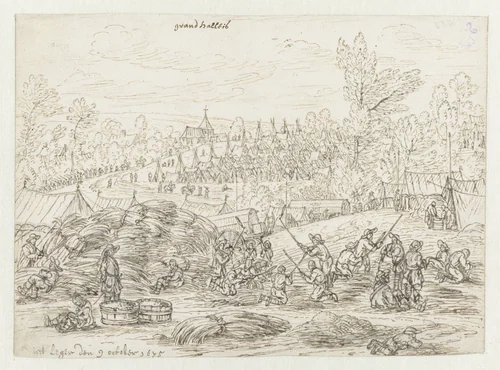
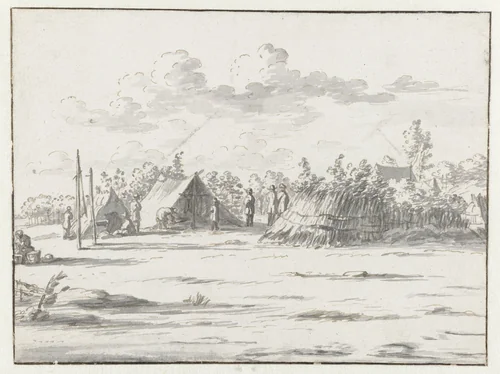
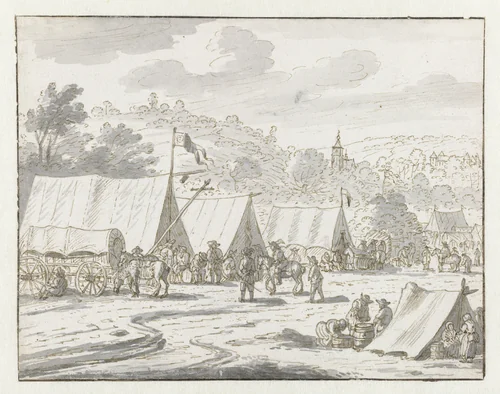
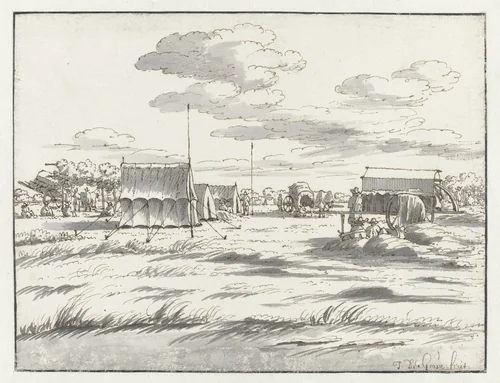
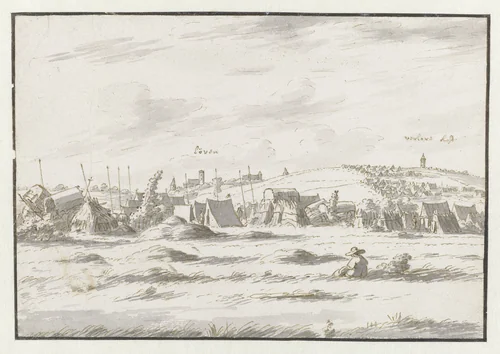
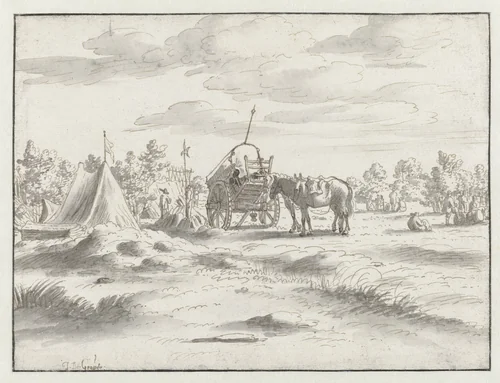
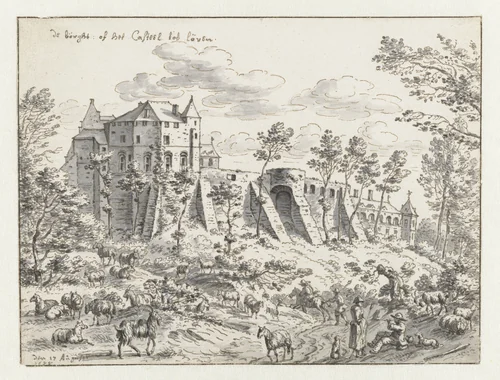
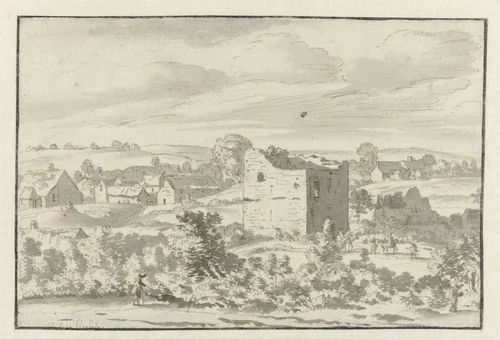
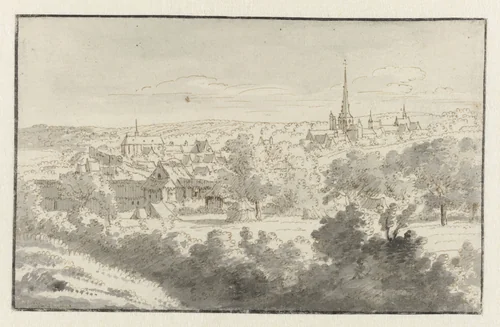
De Grave specialized in meticulously rendered topographical views, moving beyond the idealized studio setting to document specific locations and structures across the Low Countries and potentially further afield. Works such as View of the Waterschans Bulwark, Bergen op Zoom exemplify his commitment to factual recording, capturing the precise fortifications and logistics of military architecture crucial to the era’s political landscape. Equally compelling are works like View of Genappe (Genepiën), Walloon Brabant, where his controlled use of pen and wash transforms a site of civic importance into a detailed visual record.
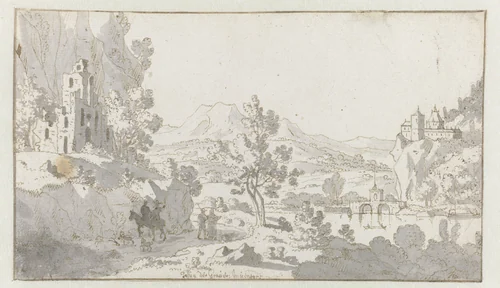
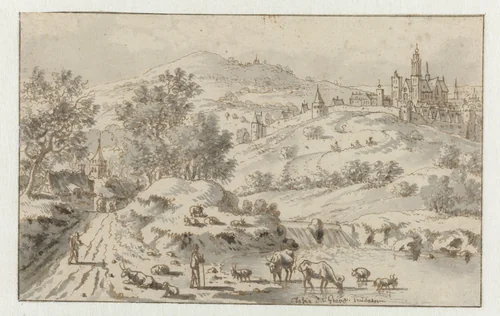
His output, however, was not limited strictly to reportage. The inclusion of pieces like Italianate River Landscape with Travellers near Ruins positions De Grave within the broader Dutch school of Italianate landscape artists who met the domestic demand for romanticized views of Mediterranean antiquity, often mixing local reality with classical fantasy. It is often noted that De Grave’s small figures, though merely components of the wider vista, possess an unusually animated quality, suggesting that while he was committed to capturing the stonework of a bulwark, he was perhaps secretly amused by the small dramas unfolding within its shadow.
The quality and historical value of his work are affirmed by their conservation in premier global institutions. Drawings by De Grave are held in major permanent collections, including the Rijksmuseum, the Metropolitan Museum of Art, and the National Gallery of Art, affirming their status as museum-quality documents of the period. The continuing interest in Josua de Grave prints underscores his unique contribution to 17th-century landscape art. As many of his finest works are now in the public domain, they are readily available as high-quality prints and downloadable artwork for scholars studying the intersection of topography and Dutch draftsmanship.
Source: Wikipedia · CC BY-SA 4.0