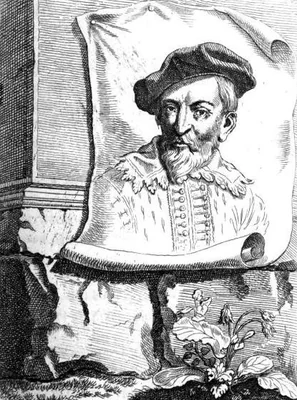
Jost Amman
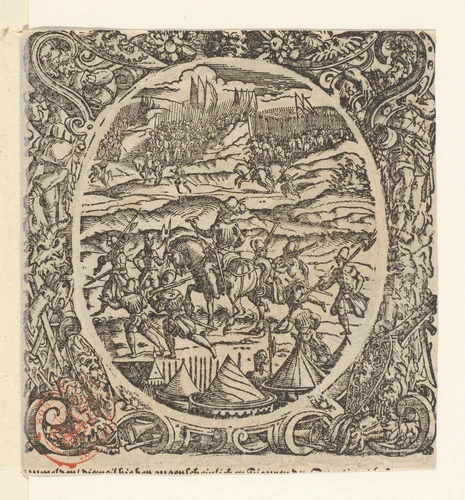
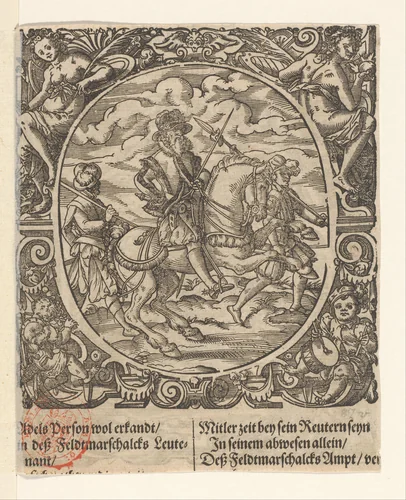
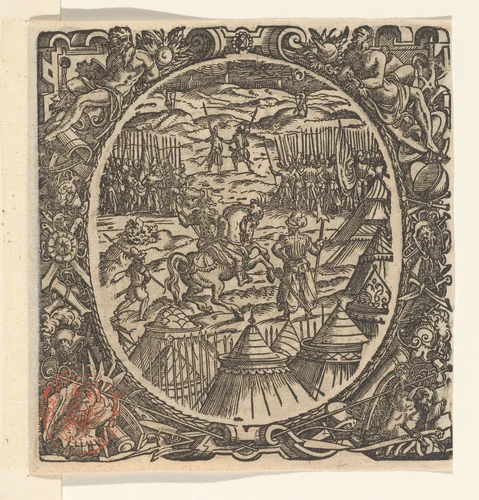
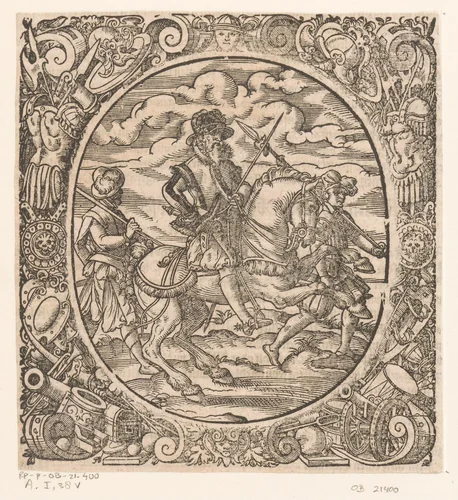
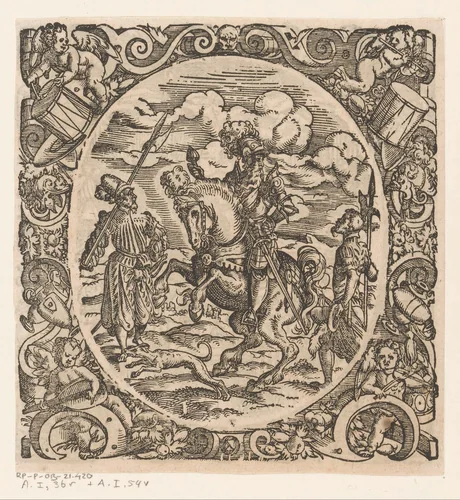
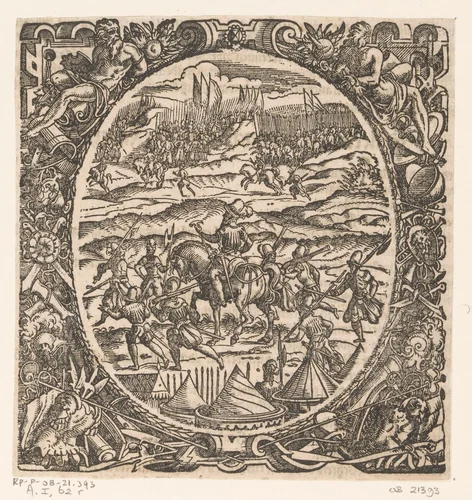
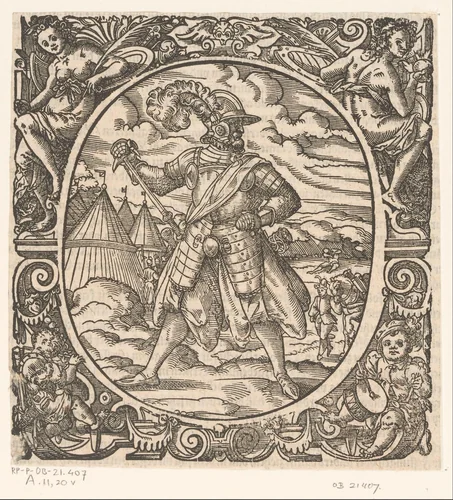
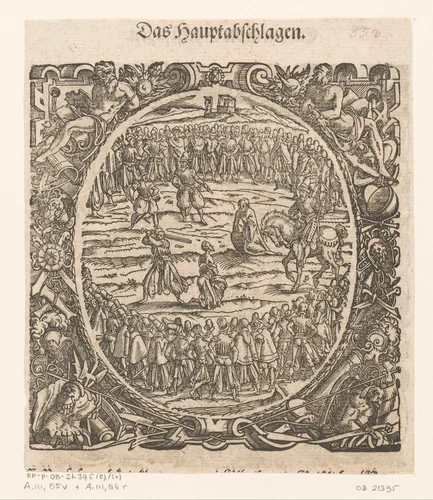
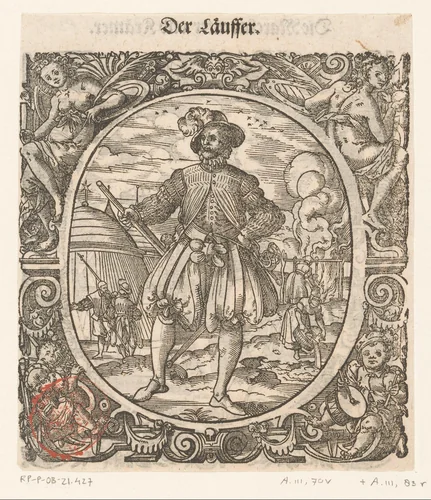
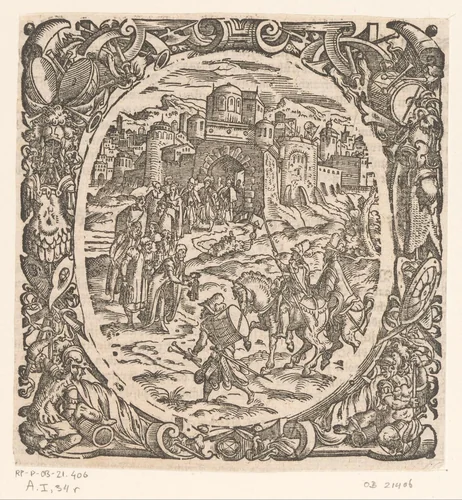
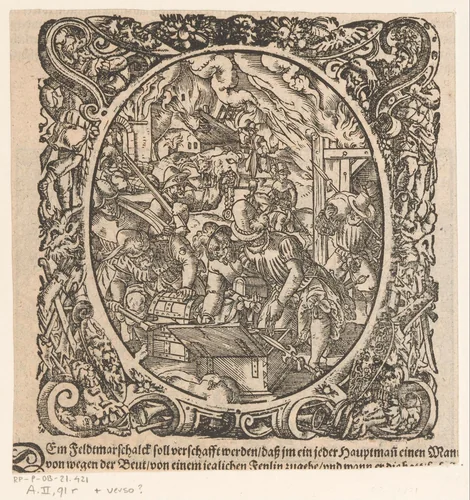
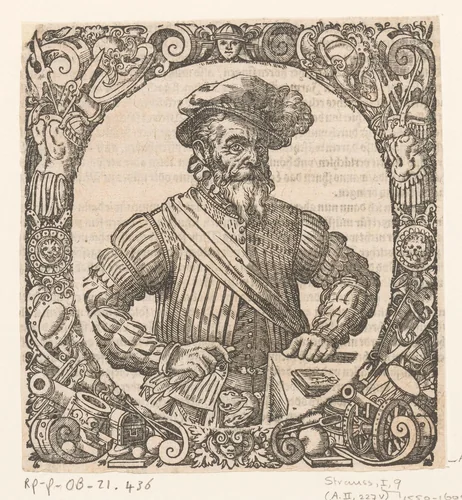
Jost Amman (1500-1559) was a pivotal Swiss-German graphic artist, whose influence on visual culture during the second half of the 16th century was immense, derived almost entirely from his mastery of the woodcut medium. While his output included several drawings and standalone prints, Amman is celebrated chiefly for the scale and quality of his designs intended for book illustration, transforming the rapidly expanding publishing market across Northern Europe.
Amman’s work established a remarkable standard for narrative clarity and technical precision. Unlike many contemporaries who treated the woodblock purely as a reproductive tool, Amman utilized the limitations of the medium to produce robust, authoritative images. His subject matter ranged widely, covering allegorical, historical, and mythological themes, such as the dynamic rendering of Mars and Pomona and the complex symbolic structure of The Hierarchy of the Heavens. He specialized in imperial and ceremonial portraiture, evidenced by the famous depiction of the renowned goldsmith, Wenzel Jamnitzer, and the politically charged work The Apotheosis of Emperor Maximilian II.
His prodigious commitment to the illustrated press, translating complex designs into hundreds of functional plates, suggests a pragmatic efficiency in his workshop, treating the production of visual material as a highly organized, commercial enterprise. This approach helped define the visual literacy of the Reformation era.
Today, his comprehensive catalogue of work remains a fundamental resource for understanding late Renaissance iconography. Key pieces of his graphical output are preserved in major North American institutions, including the National Gallery of Art, the Metropolitan Museum of Art, and the Art Institute of Chicago. Reflecting their lasting academic and historical value, many of Amman’s designs are now digitized and available in the public domain, ensuring scholars can access and obtain high-quality prints and downloadable artwork for continued study of this crucial figure in print history.
Source: Wikipedia · CC BY-SA 4.0