Josiah Johnson Hawes
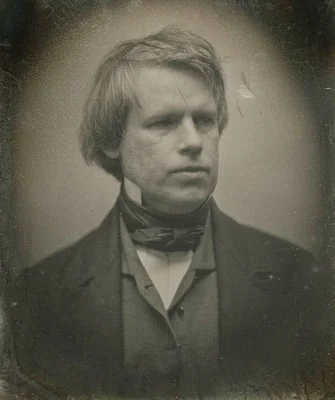
Josiah Johnson Hawes (1808-1901) is recognized as a pivotal figure in the development of American photographic practice during the mid-nineteenth century. Operating primarily from Boston, Hawes’s enduring legacy rests almost entirely on the remarkable partnership he forged with Albert Southworth. Together, they established the studio of Southworth & Hawes, active from the 1840s through the 1860s, which swiftly gained a reputation for producing portraits of exceptional quality and psychological depth.
The work created by Southworth & Hawes elevated the nascent daguerreotype from a simple novelty into a medium capable of sophisticated artistic expression. Unlike many contemporaries, who treated photography as a mere commercial service, Hawes and Southworth approached their craft with an intensity that bordered on the sculptural. They expertly manipulated light and shadow, using dramatic contrasts and precise compositions to define the character and stature of their sitters. The resulting images possess a striking clarity and gravitas that set them apart, frequently achieving a level of truly museum-quality presentation.
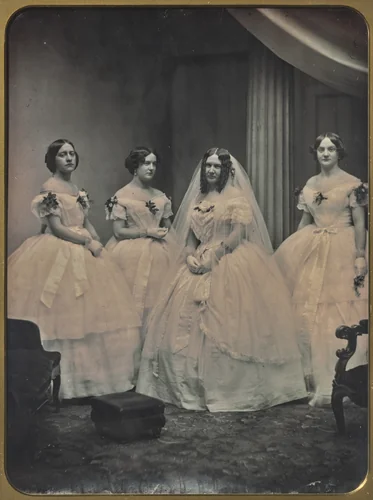
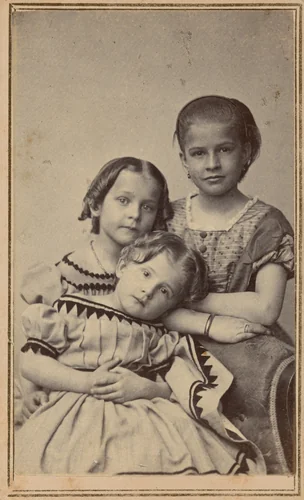
While the studio is justly celebrated for its portraits of prominent public figures, Hawes also demonstrated a quiet mastery in capturing more intimate narratives. For instance, the formal documentation and subtle intimacy conveyed in works like the group portrait A Bride and Her Bridesmaids reveal a keen artistic eye for balancing the rigidity of the era’s posing conventions with genuine human connection. The sustained excellence maintained across their two decades of activity remains a singular achievement in early American photography.
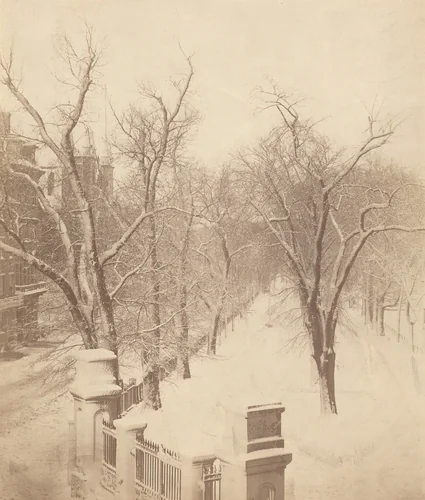
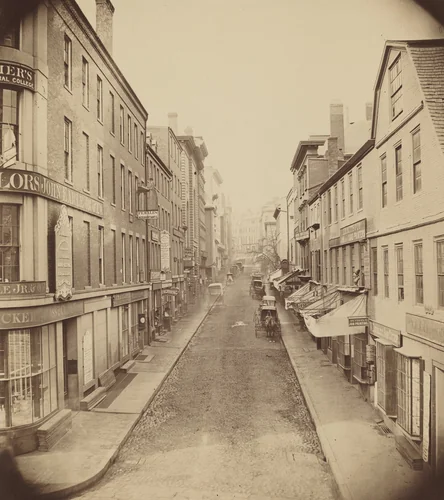
Beyond portraiture, Hawes ensured the archive included documentation of the rapidly evolving urban landscape of Boston. His street scenes, such as School Street, Boston and the atmospheric winter study Boston Common Snow Scene, offer invaluable glimpses into the city’s architectural and social history. Today, the significance of Josiah Johnson Hawes prints is secured through holdings in major institutions, including the National Gallery of Art and the Cleveland Museum of Art. As much of the Southworth & Hawes archive resides within the public domain due to its age, these historically and artistically important works are often available globally as downloadable artwork, ensuring Hawes’s contribution to the visual arts remains broadly accessible for both scholars and enthusiasts.
Source: Wikipedia · CC BY-SA 4.0