Joseph Wright
Joseph Wright of Derby (1734-1797) remains one of the most distinctive and significant English painters of the Age of Enlightenment. Celebrated for his revolutionary exploration of light and shadow, Wright was a pioneering figure who synthesized the observational spirit of science with the dramatic intensity of fine art. His work captured the intellectual fervor of the mid-eighteenth century, particularly in his powerful depictions of scientific experiments and industrial change.
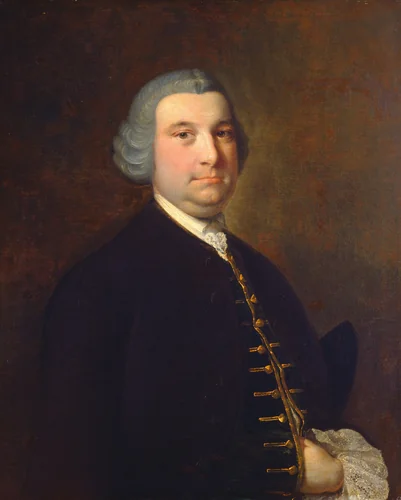
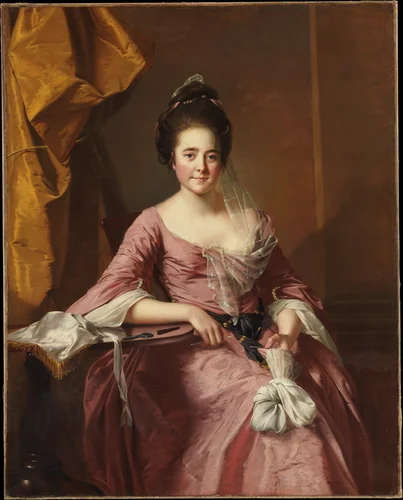
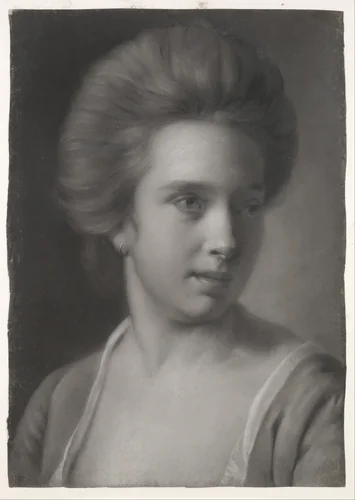
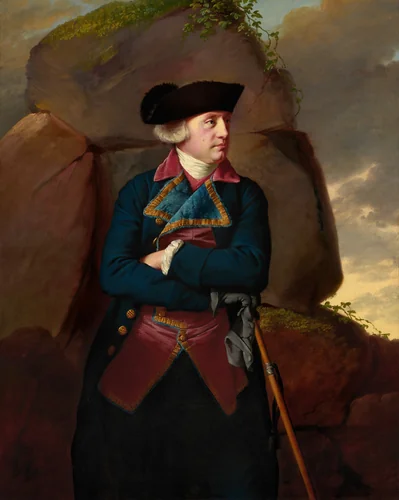
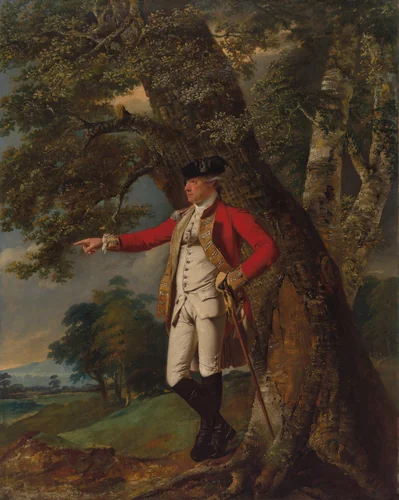
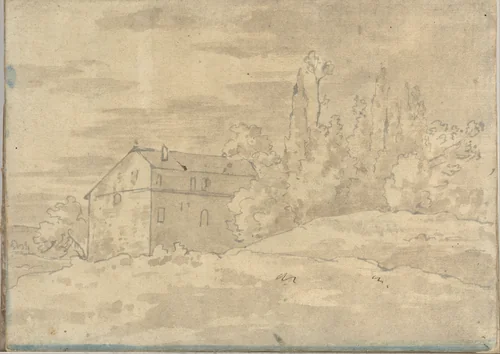
While Wright is internationally renowned for his highly dramatic scenes involving intense artificial light, his substantial body of work encompasses a diverse range of genres, demonstrating his commercial versatility and technical finesse. The core of his practice included detailed drawings and commissioned portraits, such as the numerous variations of figures like the insightful Portrait of a Gentleman and the refined Portrait of a Woman, her head turned to the right, wearing an earring. The observational precision in these works suggests a painter intensely interested in character study, reflecting the era's focus on empirical examination.
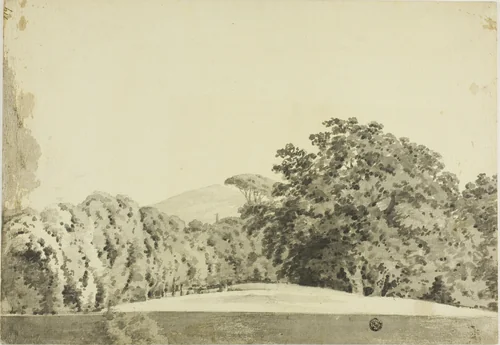
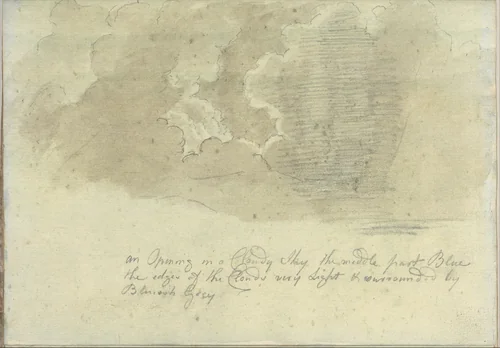
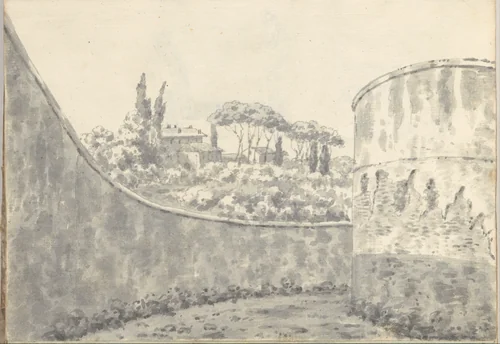
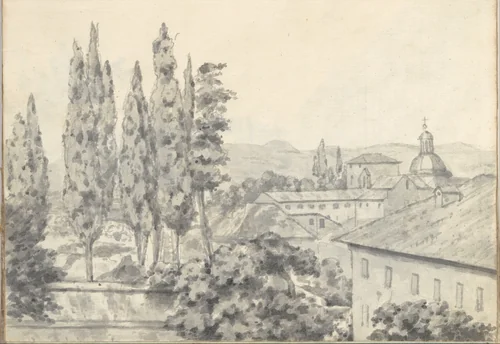
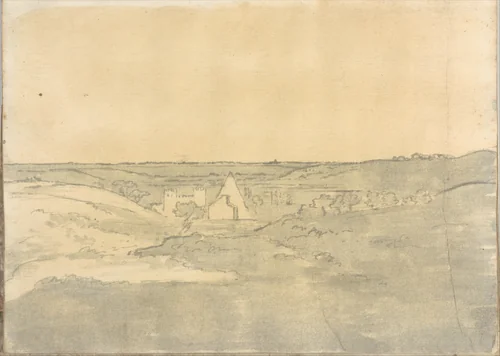
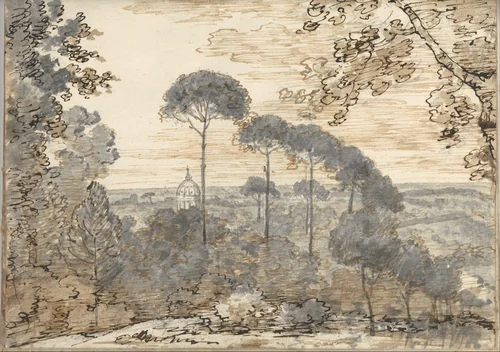
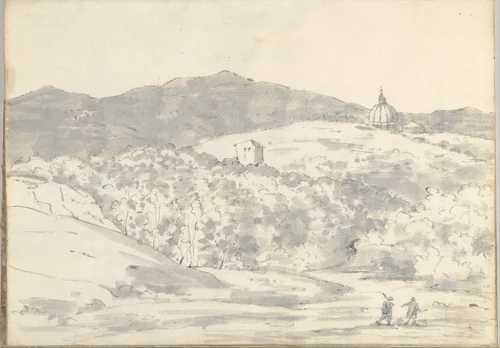
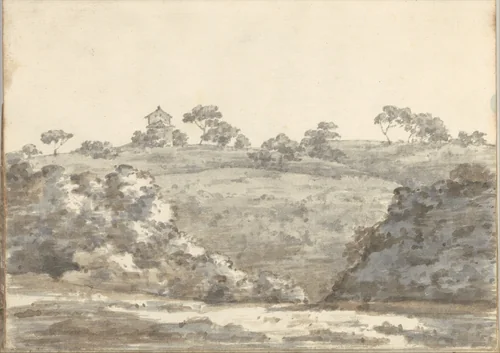
Wright’s mastery extended beyond the figure, as seen in works like Wooded Landscape, where his command of atmosphere and natural illumination is evident. His ability to render textures, from the reflective sheen of glassware to the soft draping of fabrics, elevates his production above standard portraiture. He possessed a rare capacity to endow even a simple domestic scene or a formal sitting with the same sense of vital discovery that animated his scientific tableaux; it is often said that his sitters appeared less posed and more caught in the middle of a private thought.
His enduring influence is reflected by the inclusion of Joseph Wright paintings in prestigious institutions globally, including the National Gallery of Art, the Cleveland Museum of Art, and the Metropolitan Museum of Art. For those interested in studying this period, numerous pieces of his work are now within the public domain, offering access to high-quality prints for scholarly examination or collection. Active between 1734 and 1774, Wright’s legacy is defined by his commitment to visual rigor and his singular success in capturing the electric tension between emerging technology and human curiosity.