Joseph Wood
Joseph Wood, the American painter, secured his historical position primarily through his concise and compelling contributions to early Republican-era portraiture. Active between approximately 1800 and 1817, his work is held in major American institutions, notably the Metropolitan Museum of Art, reflecting the museum-quality of his production during a crucial period of national artistic development.
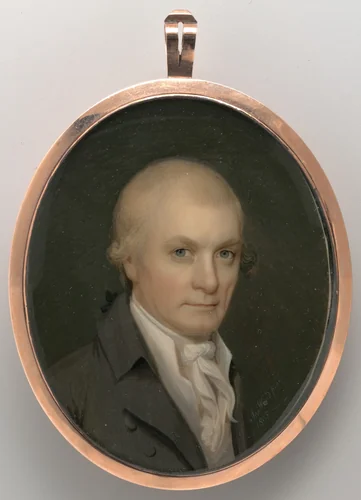
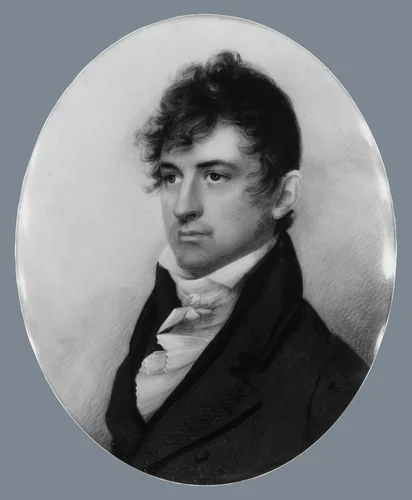
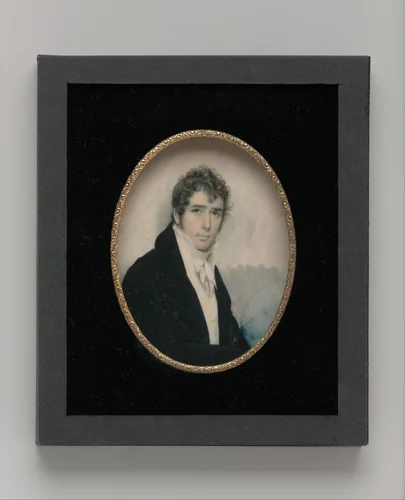
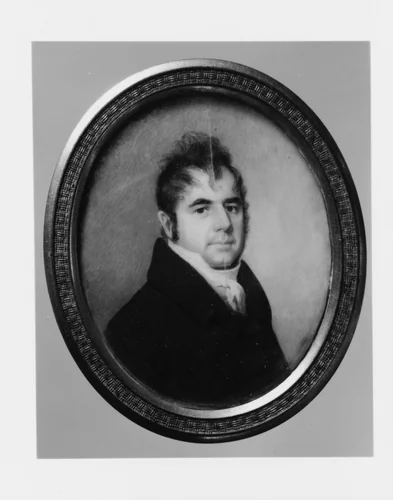
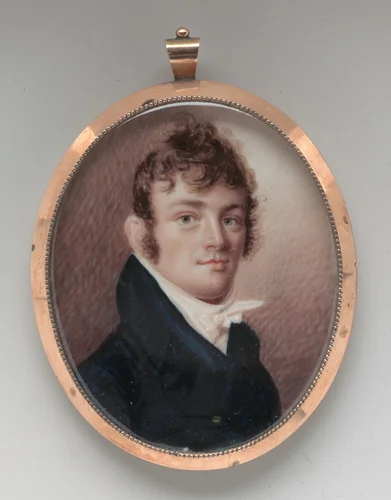
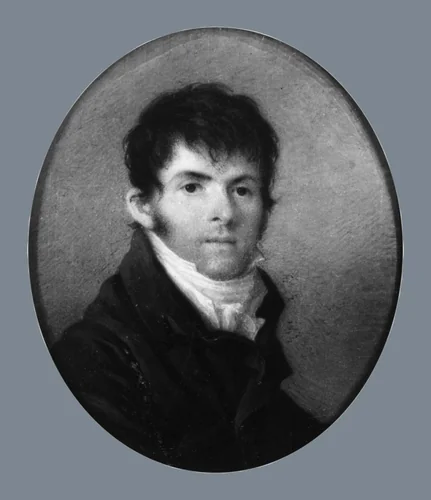
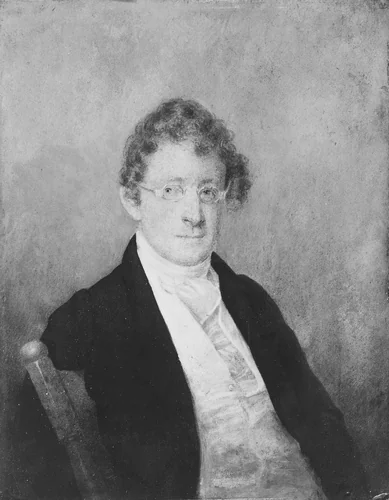
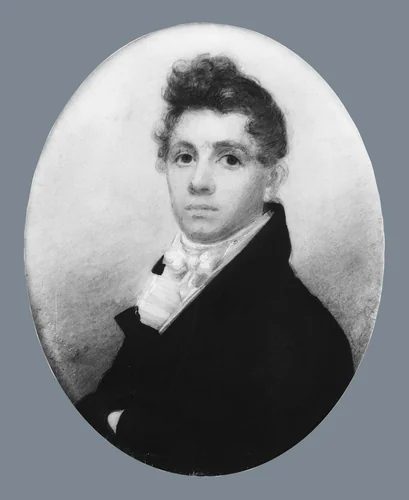
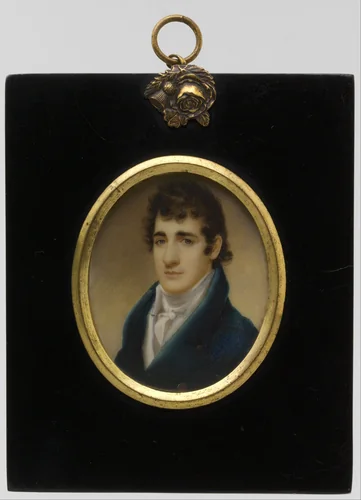
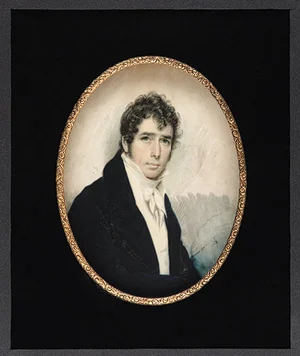
Operating during the first two decades of the nineteenth century, Wood specialized in capturing the likenesses of emerging elites and established citizens. His technique favored clean lines and a direct presentation of the sitter, often avoiding the dramatic compositional flourishes associated with older European masters. The frequent commission of works titled Portrait of a Gentleman underscores his engagement in the business of documenting the burgeoning social and political landscape of the young nation. Wood provided clear, factual representations that satisfied a growing demand for visual records among the mercantile and professional classes.
Among his known documented subjects are prominent figures such as James Stuart and the lawyer and writer Anthony Bleecker. Perhaps the most revealing work, however, is the Self-portrait, which offers a precise, often intense glimpse into the painter himself, rendered with an economy that balances confidence and introspection. A curious historical footnote is the sheer ubiquity of his name; while several figures shared the designation "Joseph Wood" during the 18th and 19th centuries, the painter stands apart through the definitive visual record preserved in his oil and miniature Joseph Wood paintings.
Despite a relatively short documented career spanning less than two decades, Wood’s output provides essential documentation of the period’s social and aesthetic fabric. Thanks to institutional preservation efforts, much of his work, now in the public domain, is widely studied. High-quality prints and downloadable artwork of his key compositions are increasingly accessible, ensuring his legacy extends beyond specialized art historical circles.
Source: Wikipedia · CC BY-SA 4.0