Joseph van Aken
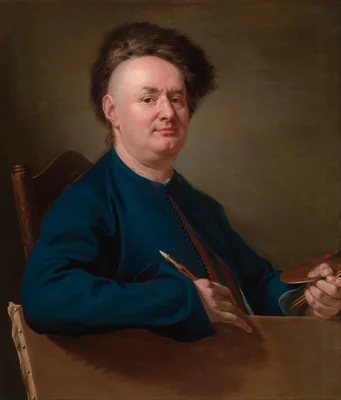
Joseph van Aken, the Flemish artist known throughout his adopted home of England simply as Joseph van Aken, secured a pivotal and perhaps paradoxical position within mid-18th century British art. Initially achieving recognition for his engaging genre scenes and fashionable conversation pieces upon his arrival from the continent, he gradually dedicated his practice almost entirely to an intensely specialized skill set: drapery painting.
This specialization was less a choice of style than a critical, commercial service essential to the booming portrait market. Van Aken became the preeminent "drapery man," a specialist employed to execute the dress, costumes, textiles, and accessories within commissioned portraits. While the leading English portraitists reserved the psychological complexity and honor of painting the sitter’s face, they delegated the responsibility of material wealth to Van Aken. He ensured that silk shimmered convincingly, lace was rendered with precise complexity, and velvet held its appropriate weight, allowing the primary artist to focus solely on expression and pose.
Recognized as the foremost practitioner of this auxiliary trade, Van Aken was employed across the entire hierarchy of English portraiture, contributing to countless canvases signed by his contemporaries, both leading masters and lesser-known practitioners. The ubiquity of his contributions suggests that many Joseph van Aken paintings in existence today are hidden in plain sight, their magnificent costumes generally credited to the overall composer. It is this systematic, large-scale execution of garments that makes his role unique; he effectively dictated the visual appearance of fashion in British portraiture for decades, doing so almost entirely without public recognition.
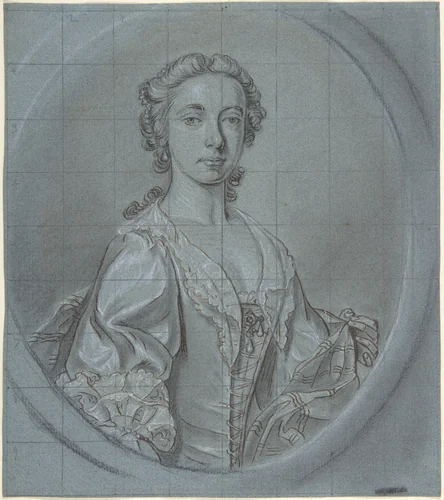
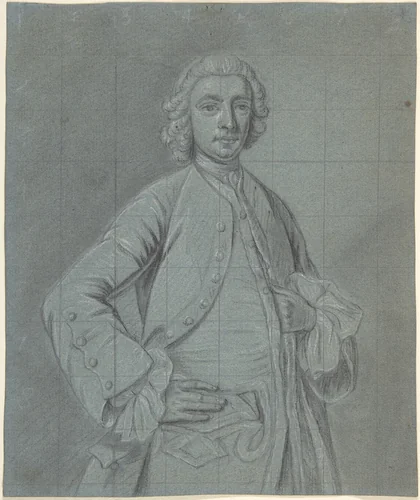
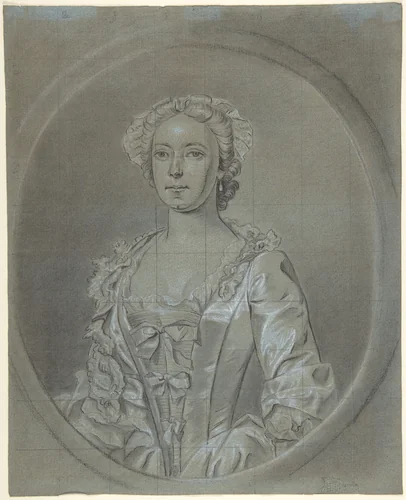
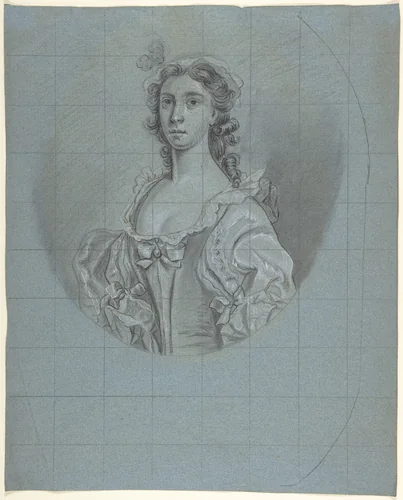
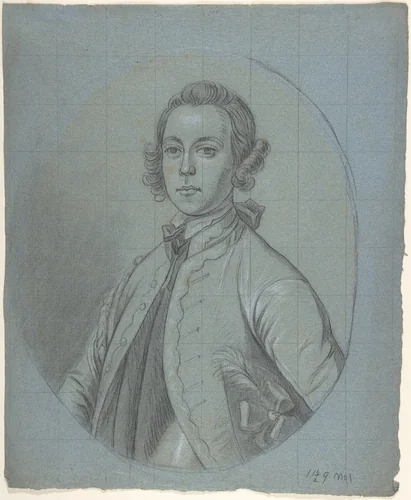
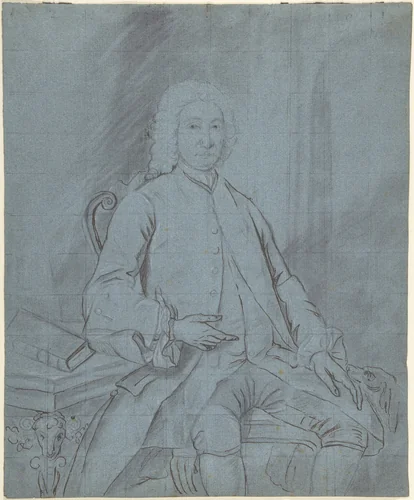
The few independent portrait studies attributed directly to his hand, such as the Bust-length portrait study of a young woman with a striped shawl or the Oval, bust-length portrait study of a young man, reveal his mastery of texture and light, illustrating why his skills were so universally sought after. These independent works, often held in public institutions like the Metropolitan Museum of Art, offer valuable insight into his draftsmanship. With many now in the public domain, they are available as museum-quality downloadable artwork, allowing contemporary viewers to appreciate the sheer technical skill that underpinned the look of the mid-Georgian elite.
Source: Wikipedia · CC BY-SA 4.0