Joseph Stella
Joseph Stella (1877–1946) occupies a unique and significant position within the history of American modernism, bridging the dynamic energy of European avant-garde movements with the specific iconography of the American industrial age. Born in Italy, Stella’s migration to the United States positioned him perfectly to interpret the relentless, often bewildering, momentum of the burgeoning twentieth-century metropolis.
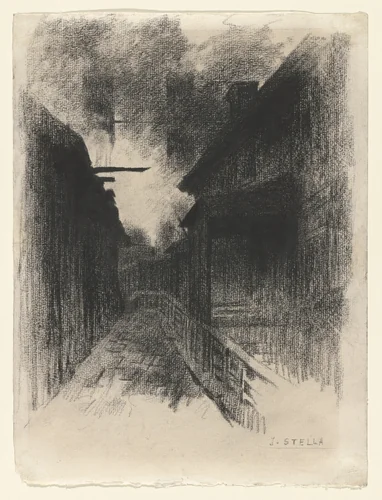
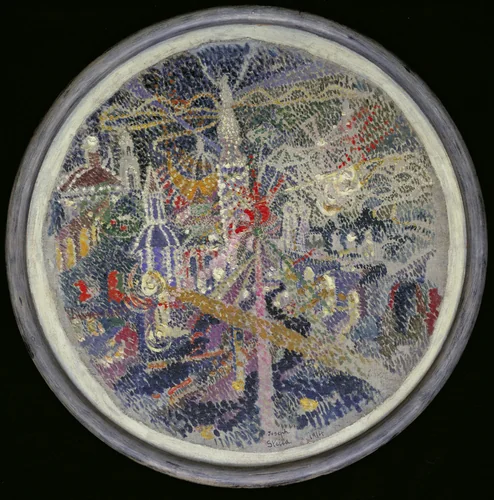
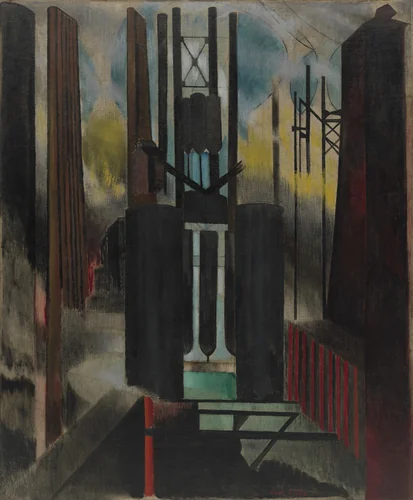
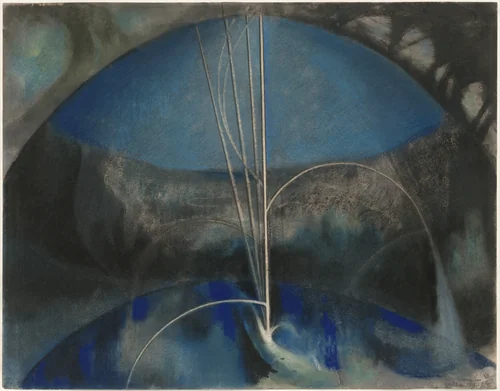
Stella is primarily recognized for introducing the structural intensity of Futurism to the American context, particularly through his ambitious, multi-faceted depictions of the Brooklyn Bridge. This subject became the ultimate emblem of his vision, translating steel cables and electric light into spiritual, almost cataclysmic compositions. This interest in the inherent geometry and technological sublime of the city subsequently cemented his close association with the American Precisionist movement, active throughout the 1910s and 1940s. His finest work in this vein utilizes simplified planes and crystalline structures to create powerful, abstracted portraits of industrial America.
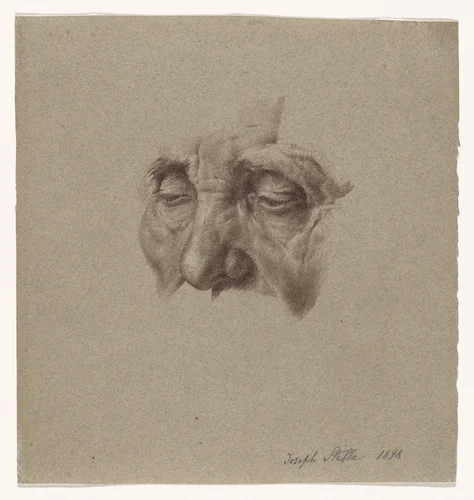
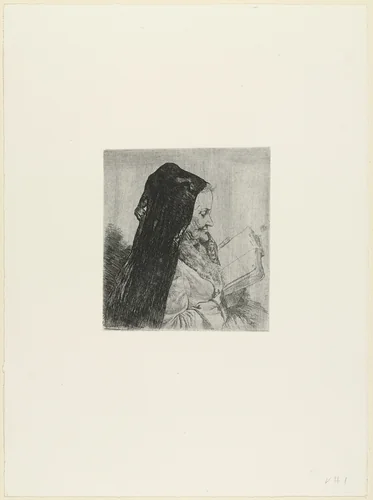
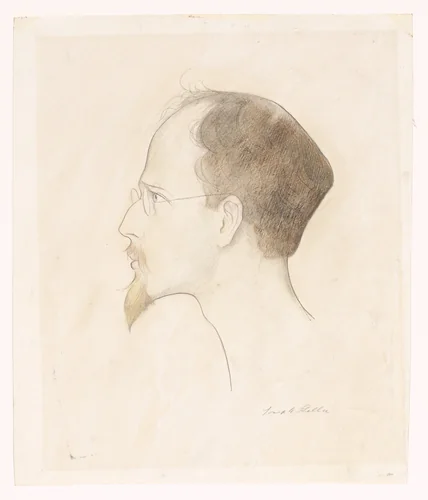
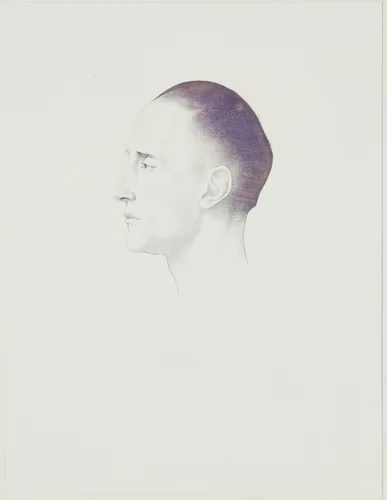
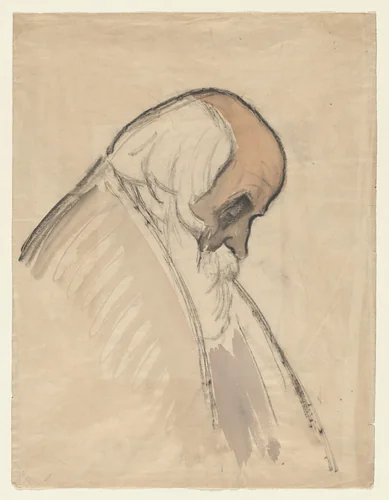
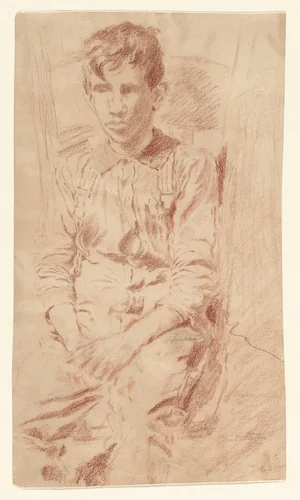
While celebrated for these expansive, large-scale compositions, Stella maintained a deep foundation in classical draftsmanship, evident in the detailed figure studies of his oeuvre. Early works, such as the expressive charcoal study Old Man or the character-driven Portrait of an Old Woman Reading, showcase his persistent talent for depicting the human subject with sensitivity and directness. His extensive catalogue comprises seven known drawings, five prints, and three major paintings.
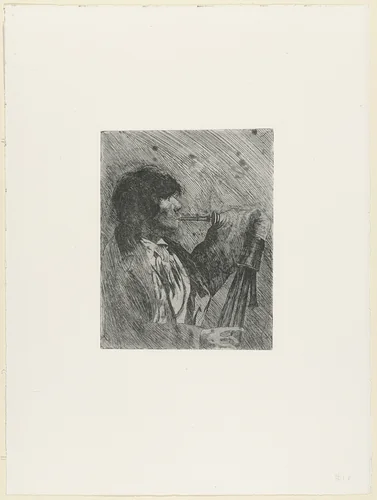
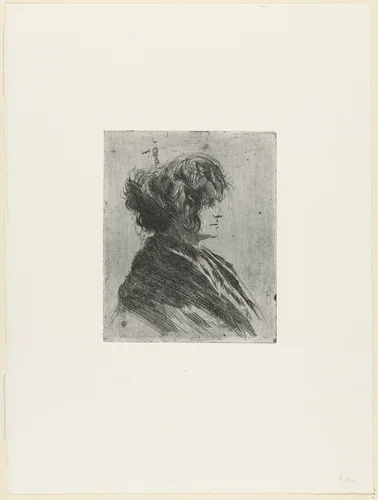
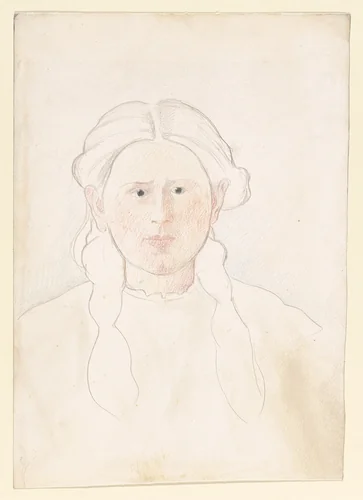
It is worth noting the remarkable stylistic versatility that characterized Stella’s career; he moved fluidly between the rigorous realism necessary for the figure, the explosive dynamism of Futurism, and the cool restraint of Precisionism. Today, a considerable selection of his work, including key Joseph Stella paintings and an extensive body of prints, resides in major institutional collections, including the Museum of Modern Art. A growing selection of his output is becoming available as downloadable artwork, allowing scholars and enthusiasts to study the linear intensity of his drawings, such as Boy with a Bagpipe and Portrait of a Hatless Woman, in detail. The availability of these high-quality prints ensures his legacy continues to inform studies of transnational modernism.
Source: Wikipedia · CC BY-SA 4.0