Joseph Siffred Duplessis
Joseph-Siffred Duplessis (1725-1802) holds a distinct and crucial position in the history of late eighteenth-century French portraiture. Active from 1745 until the eve of the French Revolution, his career coincided precisely with the aesthetic shift from the intimate theatricality of the Rococo toward the severe, objective rationalism demanded by the Enlightenment. He became renowned for the penetrating clarity and immediacy of his likenesses, a direct style that elevated him to the role of chronicler for both the Ancien Régime and the emerging diplomatic corps of the new world.
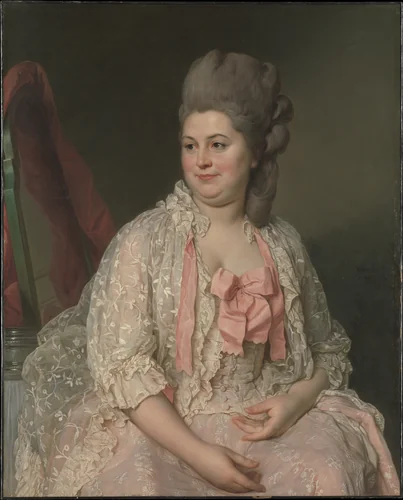
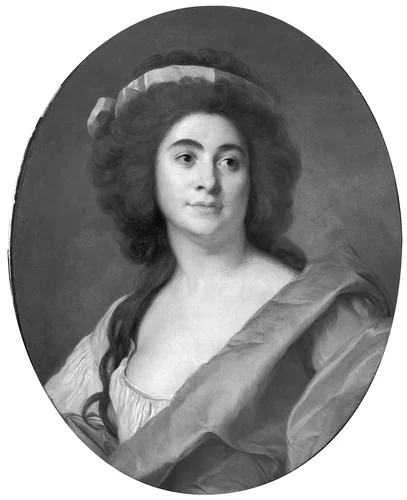
Duplessis was adept at conveying not only physical similitude but also psychological depth. Rather than relying on elaborate settings or allegorical ornamentation, he focused intensely on the sitter’s expression and posture, achieving a striking realism that distinguished his output from that of his contemporaries. This innovation ensured his commission by some of the era’s most powerful figures, from French nobility, exemplified by the detailed study Madame de Saint-Morys, to revolutionary idealists.
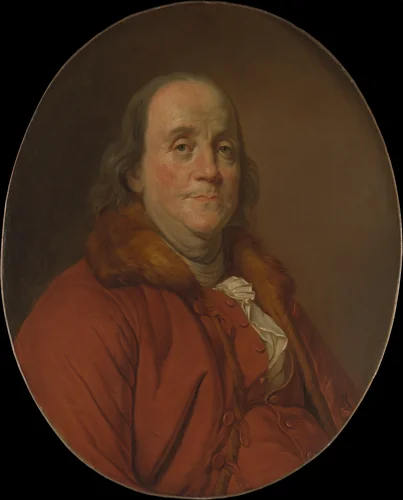
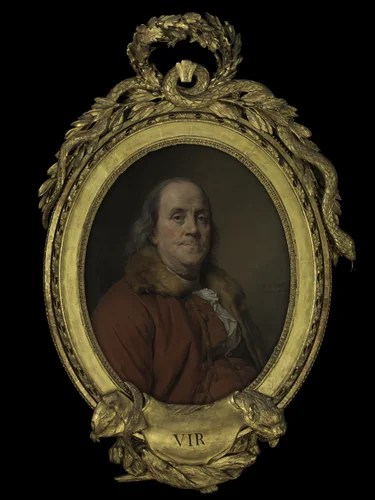
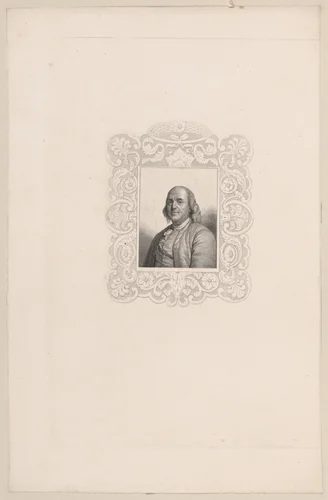
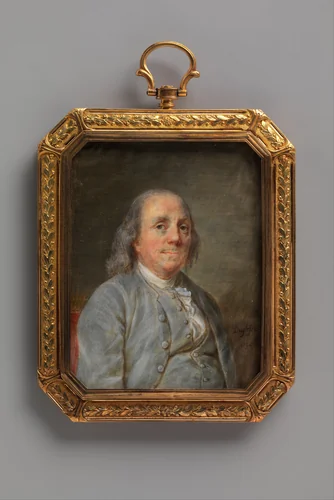
His most historically resonant contribution remains the definitive images he created of the American statesman and scientist, Benjamin Franklin. Duplessis painted Franklin multiple times during his residency in Paris; these works, including the iconic depiction of Franklin wearing his distinctive fur cap, established the visual archetype of the celebrated American figure for posterity. His ability to capture the simple dignity and intellectual weight of Franklin became a diplomatic and artistic triumph, helping to cement the public identity of the nascent republic in Europe. These famous studies, along with other works like his striking Portrait of a Lady, confirm the status of his works as museum-quality achievements.
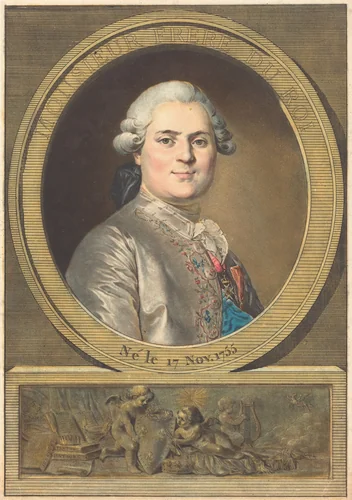
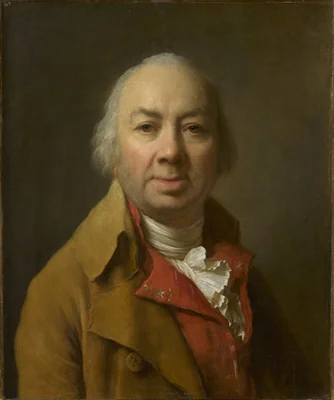
Although Duplessis maintained his status by becoming a member of the Académie Royale and exhibiting regularly at the Salon, his commitment to truthful, unvarnished depiction sometimes led to an unintended frankness. It is perhaps an understated observation that Duplessis’s clarity inadvertently documented the internal instability of his age, chronicling the subtle anxieties beneath the elegant facades of the aristocracy. Today, collectors and enthusiasts frequently seek out Joseph Siffred Duplessis paintings and prints; many of his masterpieces are now in the public domain, allowing for downloadable artwork and high-quality prints to be studied worldwide in major collections like the Art Institute of Chicago and the National Gallery of Art.
Source: Wikipedia · CC BY-SA 4.0