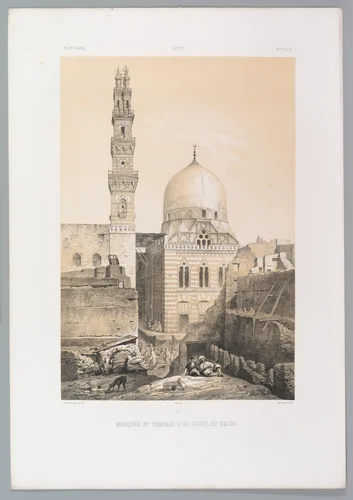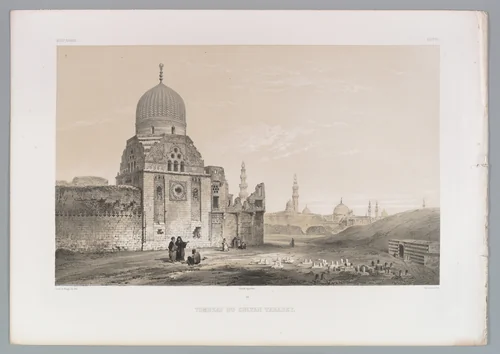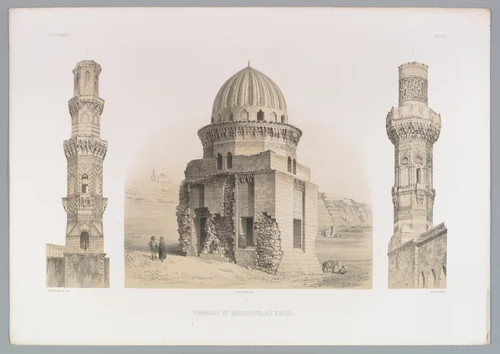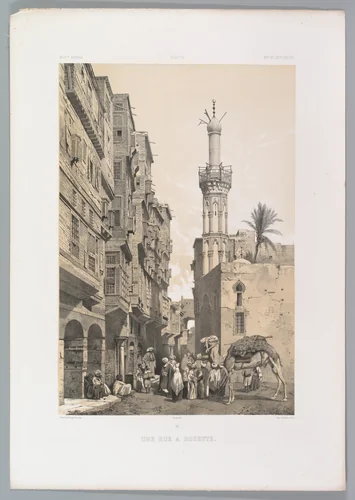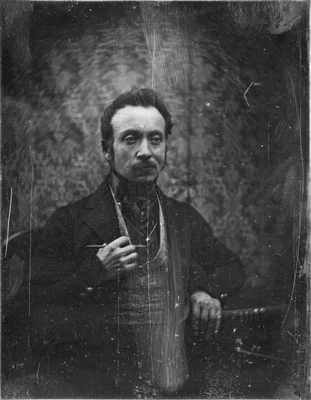
Joseph-Philibert Girault de Prangey
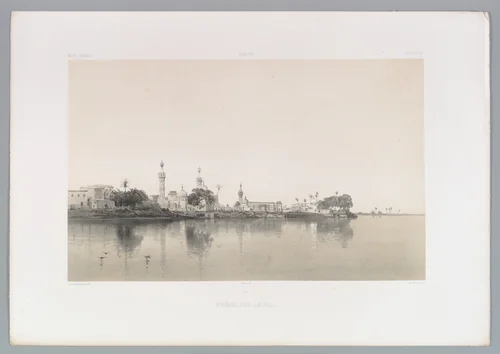
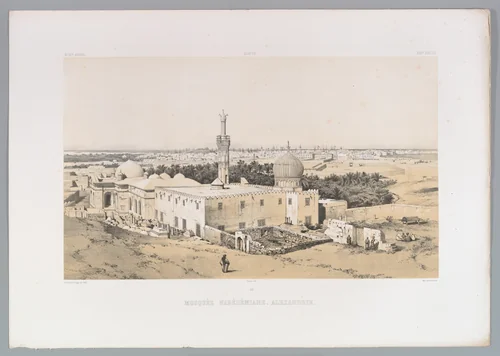
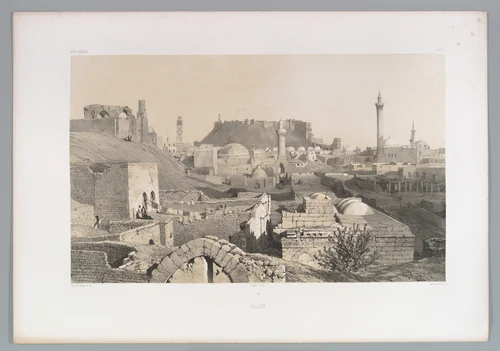
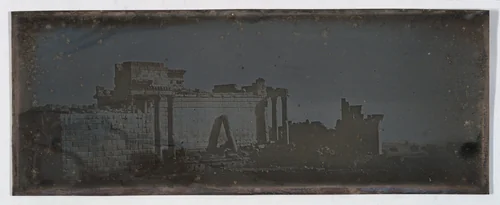
Joseph-Philibert Girault de Prangey (1804-1892) holds a critical and unique position in the history of early photographic documentation. Trained initially as a meticulous scholar and draughtsman, his comprehensive pursuit of archaeology and ancient architecture led him to adopt the newly invented daguerreotype process almost immediately after its public introduction. His resulting archive established him as an important photographic pioneer, producing the earliest known surviving photographs of key regions, including Greece, Palestine, Italy, Egypt, Syria, and Turkey.
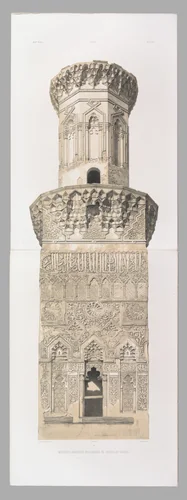
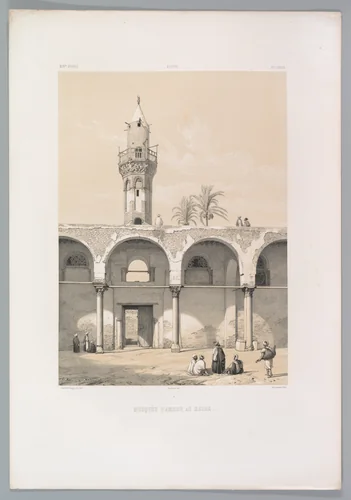
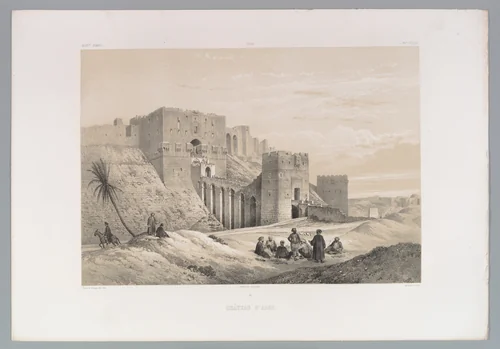
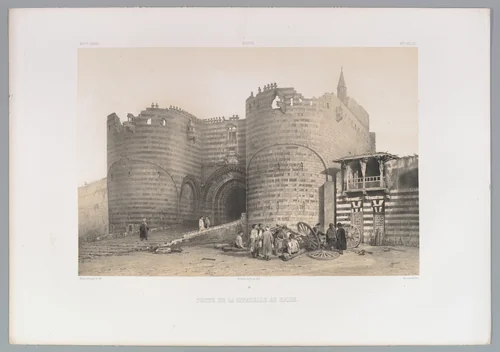
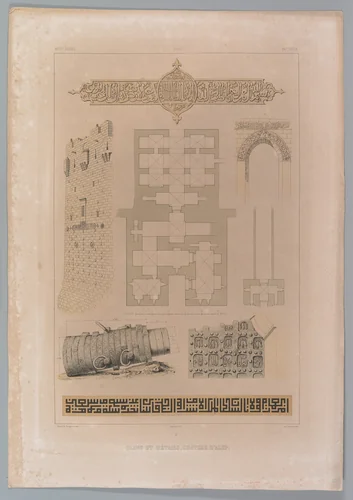
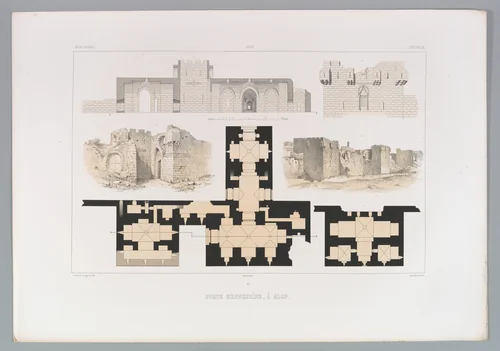
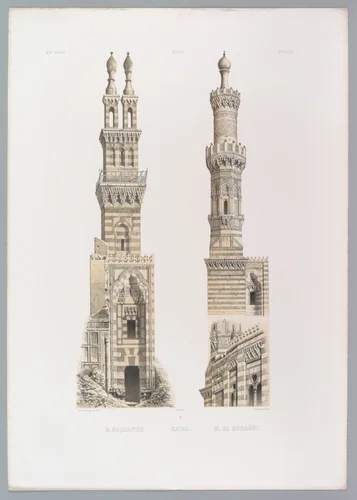
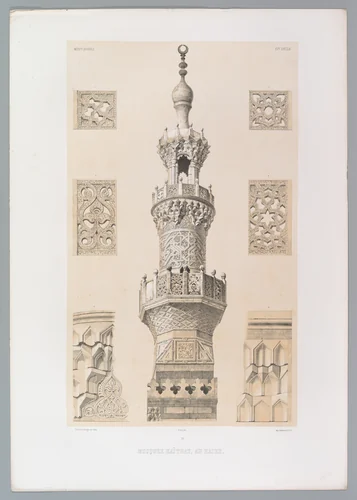
Between 1837 and 1842, Girault de Prangey undertook extensive travels through the Mediterranean and Middle East. Unlike many of his contemporaries who focused on portraiture or local scenes, he utilized the daguerreotype as an essential tool for rigorous scholarly recording. His images were not merely topographical; they were precise studies of structures and ornamentation, providing an invaluable, objective record of sites often facing decay or alteration. This disciplined approach is evident in plates such as Mosquée de Cordoue and La Giralda et l'Alcazar de Séville, which capture the complex geometry of Islamic architecture, and the detailed view Apse, Basilica San Pietro, Toscanella (Tuscania). His observations were not limited to antiquity, however; he also documented contemporary landmarks, including the precise dimensions of the Rose Window, Notre-Dame Cathedral, Paris.
It is perhaps one of the great eccentricities of art history that such a prolific and technologically innovative figure remained entirely unknown to his contemporaries. Upon returning to France, Girault de Prangey consolidated his findings, but his carefully preserved archive of fourteen photographs and accompanying texts was retired to the attic of his estate. He died in 1892. The photographs were accidentally discovered in the 1920s, but due to the inherent difficulty of authenticating and attributing rare 19th-century works, they remained in obscurity for another eighty years.
Only with their eventual authentication and presentation by institutions like the Museum of Modern Art and the Metropolitan Museum of Art did Girault de Prangey receive his long-delayed recognition. Today, these rare original works are available as museum-quality photographic records, and the Joseph-Philibert Girault de Prangey prints confirm his legacy as a critical figure linking architectural scholarship to the dawn of photography.
Source: Wikipedia · CC BY-SA 4.0