Joseph Nash
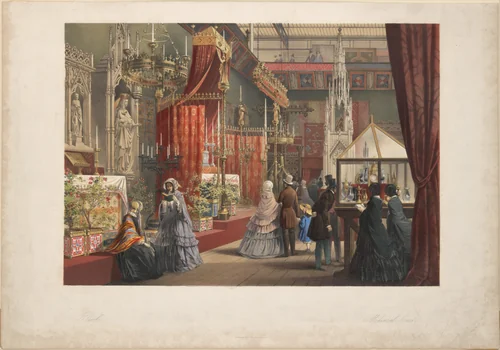
Joseph Nash secured his place in nineteenth-century British art as a meticulous watercolour painter and lithographer specializing in the comprehensive documentation of historical buildings. His works function effectively as both detailed architectural studies and evocative genre scenes, capturing the character of important British and Continental structures during a period of fervent antiquarian interest. Active through the middle decades of the century, Nash’s output is preserved in major North American collections, including the Art Institute of Chicago and the Metropolitan Museum of Art.
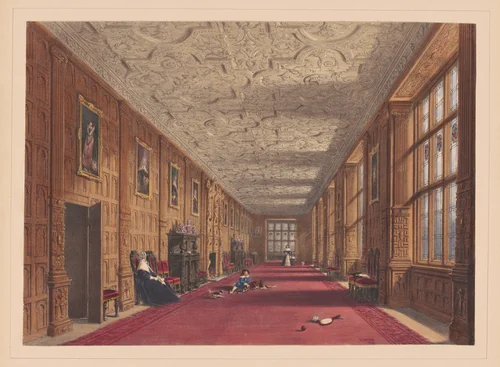
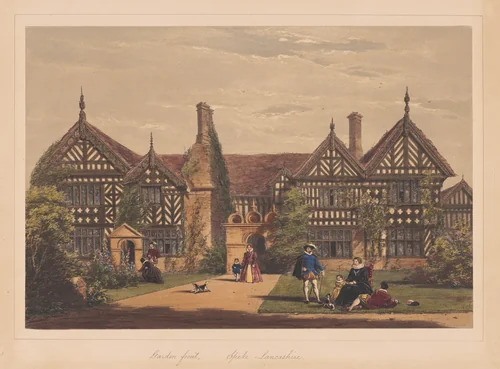
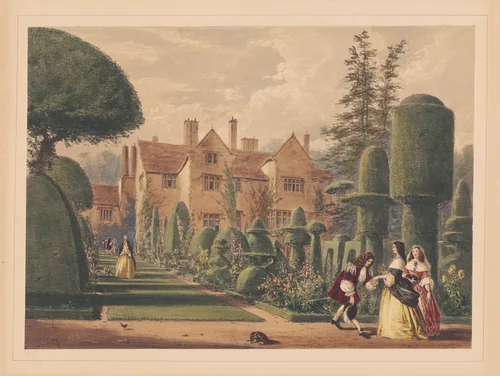
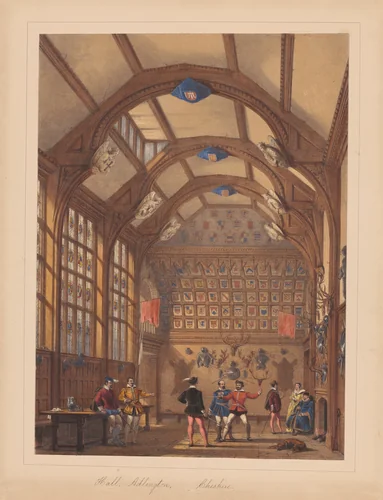
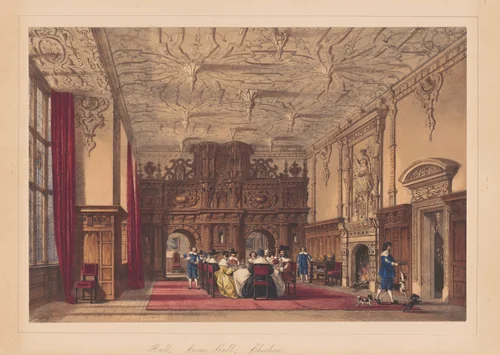
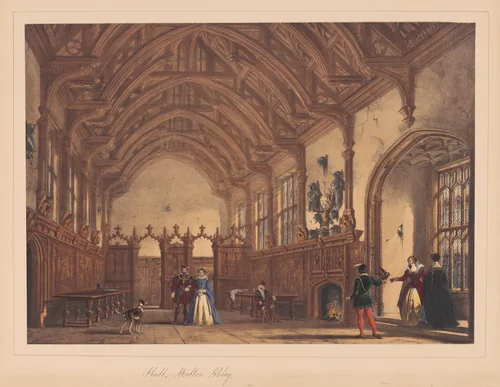
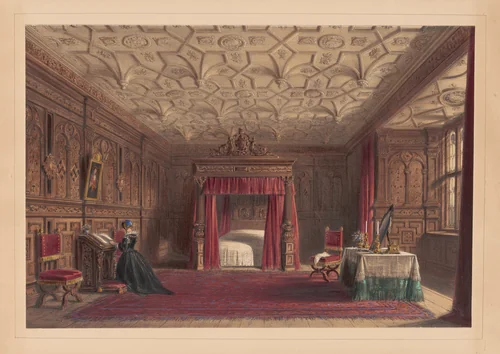
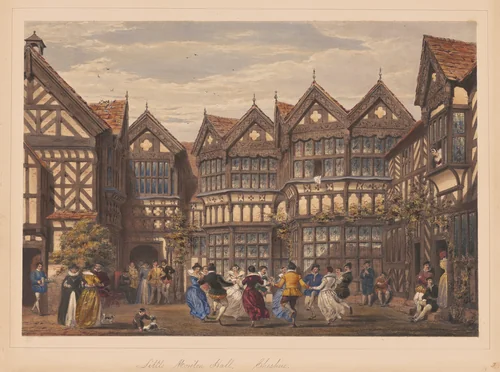
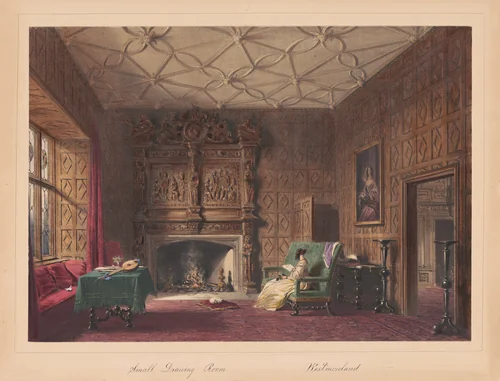
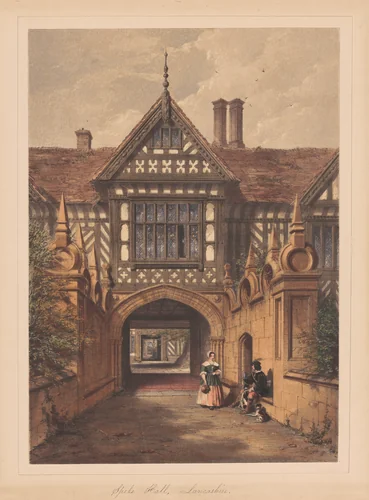
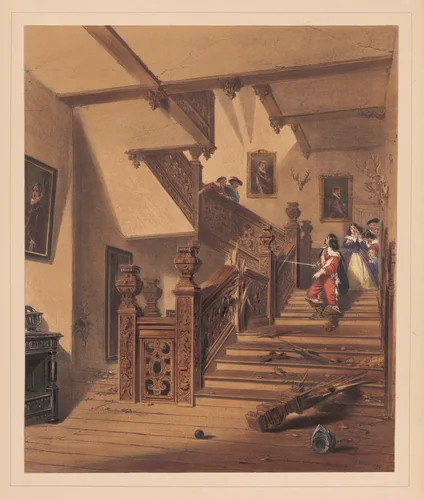
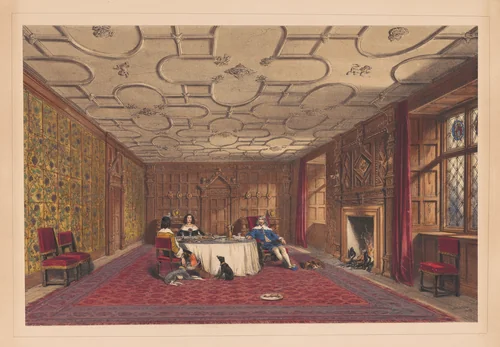
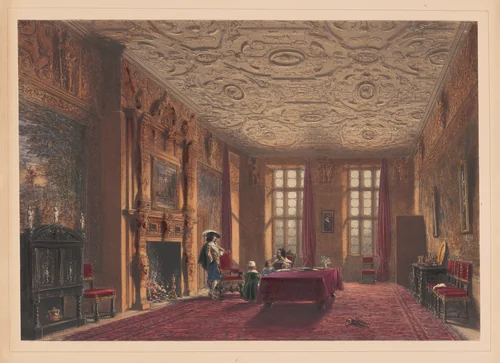
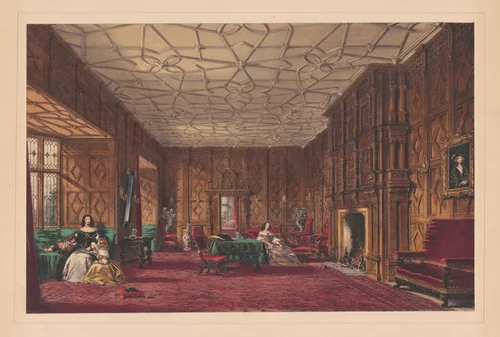
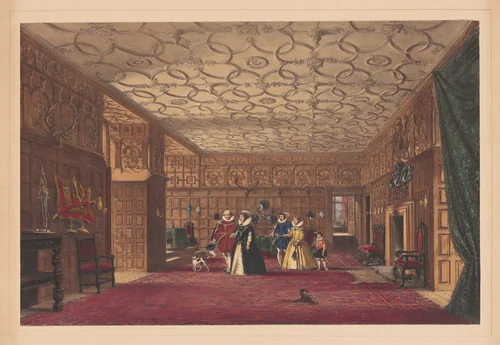
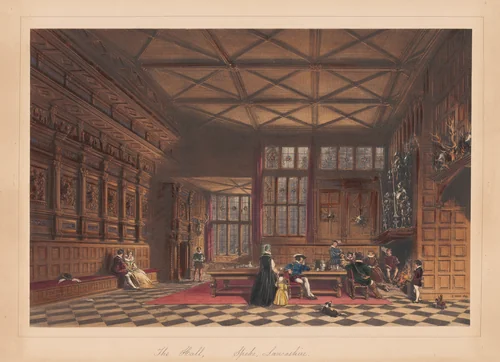
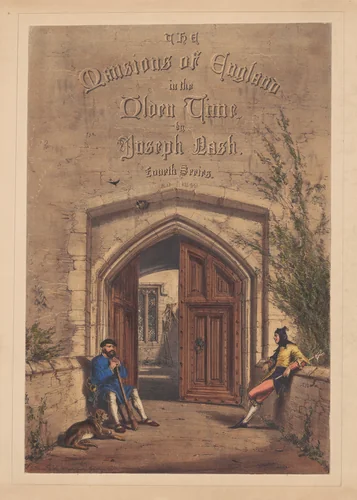
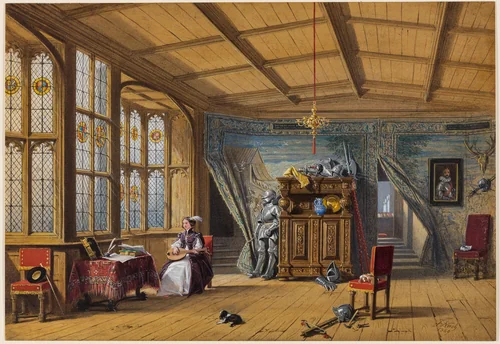
Nash’s central achievement is the four-volume series, Mansions of England in the Olden Time, published sequentially between 1839 and 1849. This monumental project set a new standard for architectural illustration. Unlike purely technical drafts, Nash innovatively used lithography to convey structural integrity while simultaneously generating atmosphere. He frequently integrated figures in historical costume, engaged in activities specific to the Tudor and Jacobean eras. This method effectively positioned architecture as a vibrant stage for domestic history, thereby popularizing the ‘Olden Time’ aesthetic for the growing Victorian public. Works like Scene with Family and Guest in Seventeenth-Century Interior exemplify this approach, merging the accurate portrayal of the structure, such as The Hall, Levens, Westmoreland, with an imaginative recreation of period life. One might observe that Nash was a master of the polite historical fiction, employing pencil and wash rather than prose to transport his viewer.
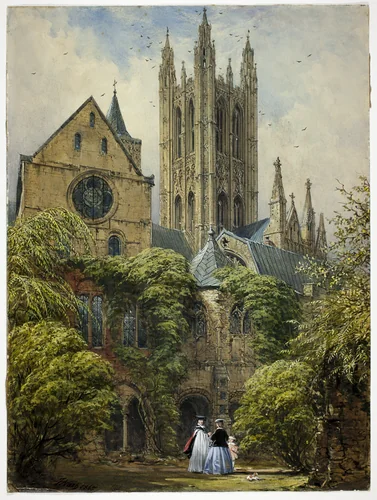
His artistic acuity extended beyond the domestic realm, encompassing continental subjects evident in Architecture of the Middle Ages: Abbaye St. Amand, Rouen. Whether illustrating the intricate details of military regalia in Study of a Helmet, Breastplate, and Rapier or capturing the serene gravity of a historic cloister, the consistent museum-quality of Nash’s observation remains evident. The detailed Joseph Nash paintings and high-quality prints resulting from this endeavor have proven invaluable for historians and collectors alike. Due to the age and historical prominence of these records, much of his printed output now resides within the public domain, ensuring global access to downloadable artwork and enabling the preservation of these visual records for future generations.