Joseph Moerenhout
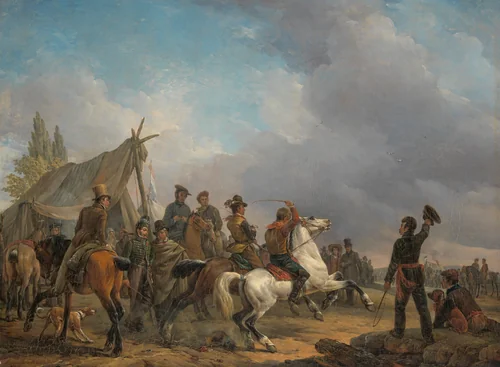
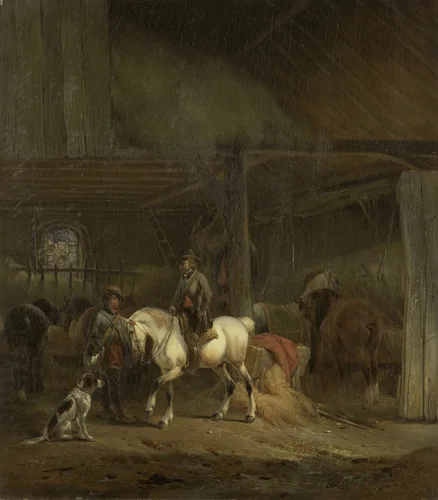
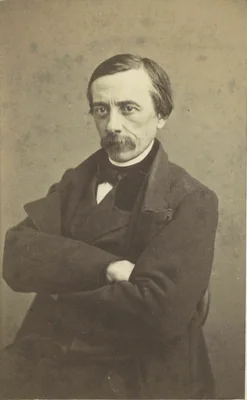
Joseph Moerenhout (c. 1797-1874) occupies a distinctive niche in early 19th-century Northern European art, known primarily for his meticulous depictions of animals, hunting scenes, and the emerging culture of competitive sport. Active across the periods of the United Kingdom of the Netherlands and the subsequent formation of Belgium, his work provides a precise visual record of equestrian life and canine breeding during the 1810s and 1820s.
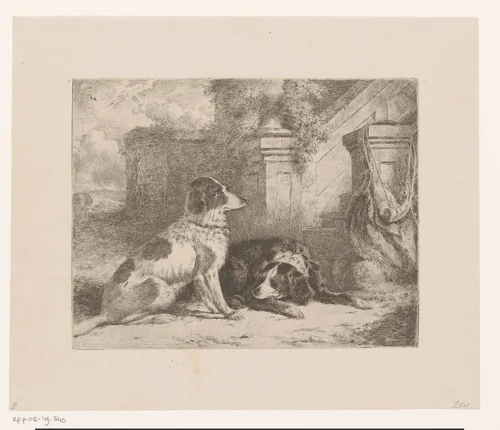
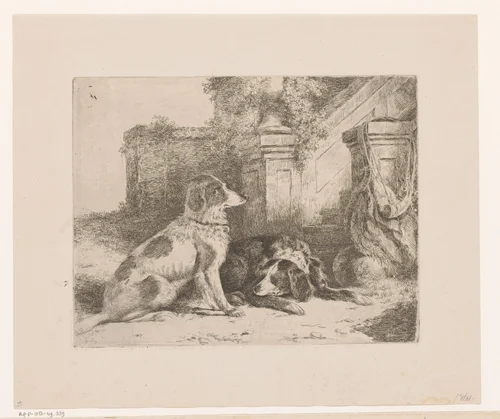
While he produced oil paintings, the enduring significance of Moerenhout rests firmly on his mastery of graphic arts. His extensive body of work, encompassing detailed Joseph Moerenhout prints, often employed lithography, a medium perfectly suited to capturing the fine textures of fur and the taut muscularity of running animals. Pieces such as Twee patrijshonden bij een trap demonstrate a keen observational eye, balancing the dynamic action inherent in the subjects with the controlled formality required by early 19th-century graphic reproduction. His commitment was to naturalism, documenting pedigree animals and specific sporting events with the accuracy of an ethnographer.
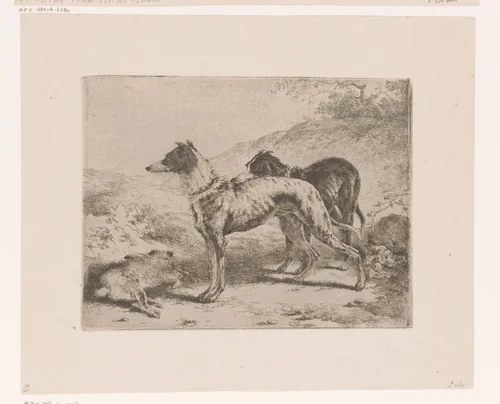
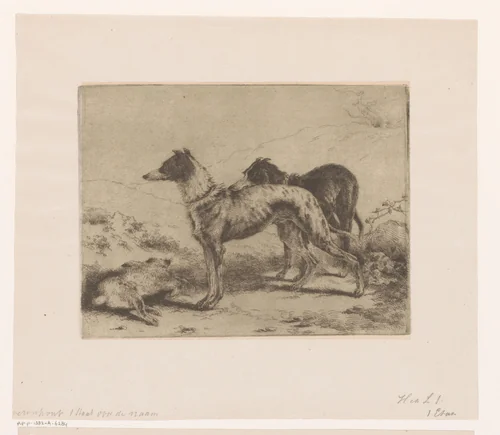
The artist particularly excelled at framing moments of high tension, capturing the essence of the chase and its conclusion. The paired prints, Twee hazewindhonden bij een dode haas, are especially revealing. The drama here is not derived from human involvement but from the intense, focused concentration of the hounds, captured immediately following the pursuit. Moerenhout possessed a subtle, almost humorous respect for his subjects, frequently allowing the animals themselves to dictate the narrative, whether through the proud stance of a prized hunting dog or the controlled chaos of a public sporting event like The Horse Race. His commitment to precision ensures these works retain their museum-quality integrity nearly two centuries later.
Today, Moerenhout’s historical importance is confirmed by his inclusion in major institutional holdings, notably the Rijksmuseum. Given the enduring appeal of his sporting subjects and the fact that much of his graphic output is now in the public domain, high-quality prints of his detailed etchings and lithographs remain highly sought after by collectors and enthusiasts interested in the early history of organized racing and the culture of the hunt.