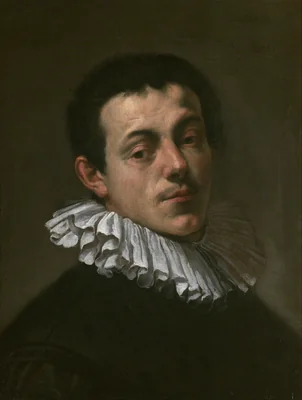
Joseph Heintz
The artistic output attributed to Joseph Heintz spans nearly a century, necessitating a clear distinction between two successive, highly accomplished figures: Joseph Heintz the Elder (1564–1609) and Joseph Heintz the Younger (1600–1678). Together, their work maps the stylistic transition from Northern Mannerism to the early Baroque across the centers of Central Europe.
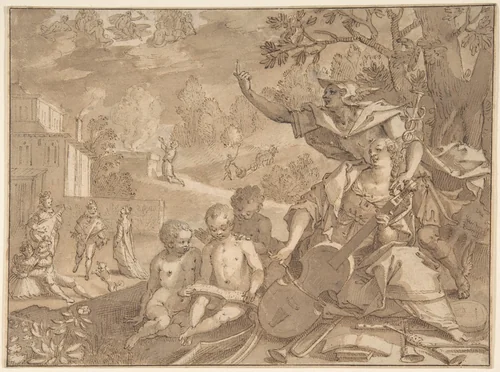
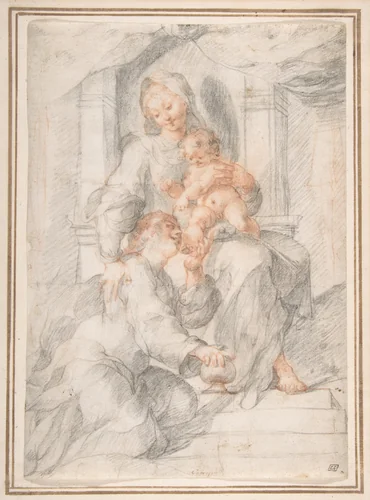
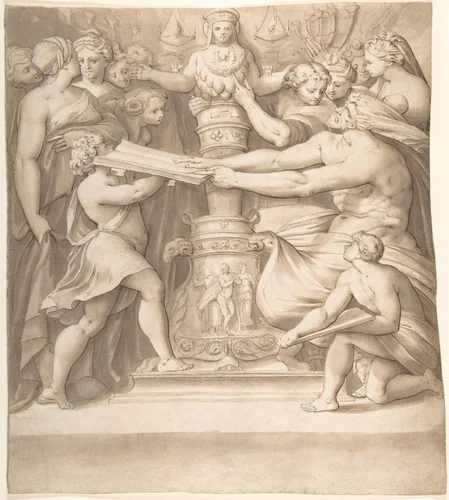
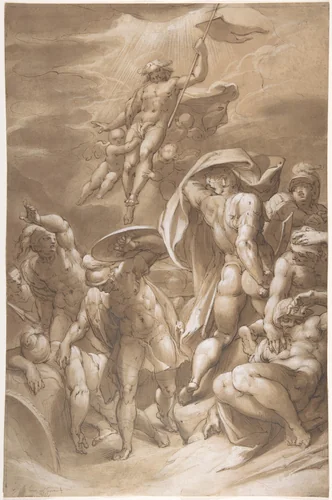
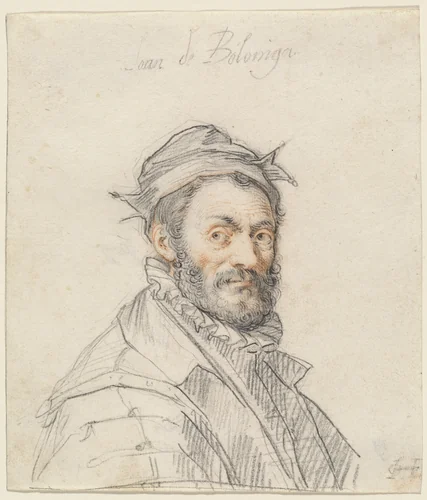
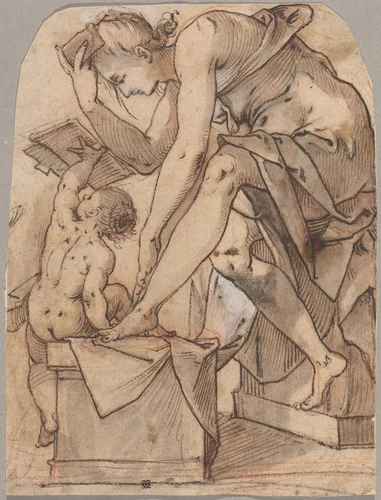
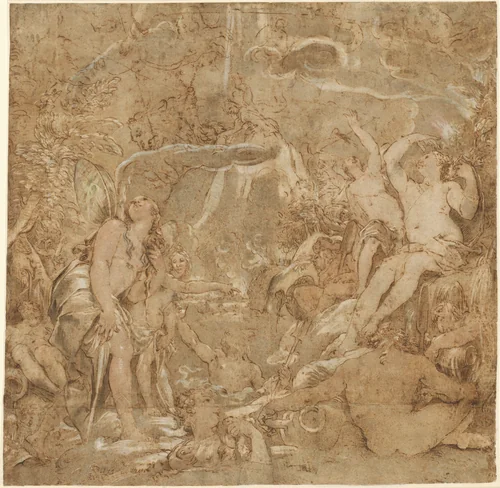
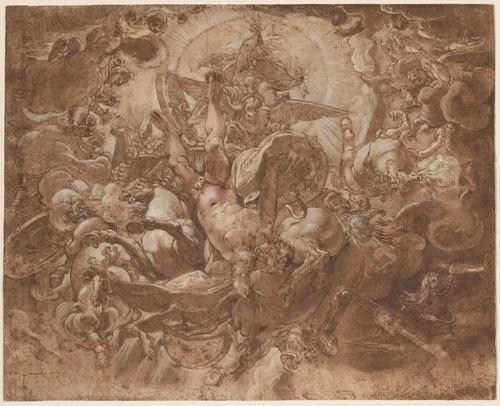
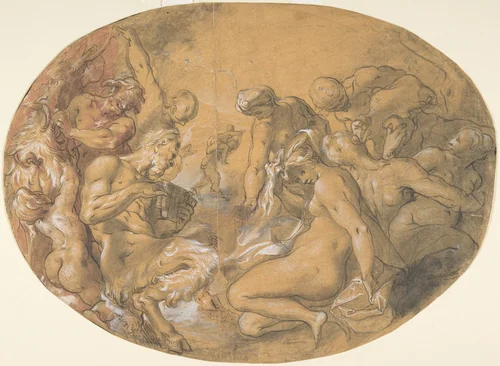
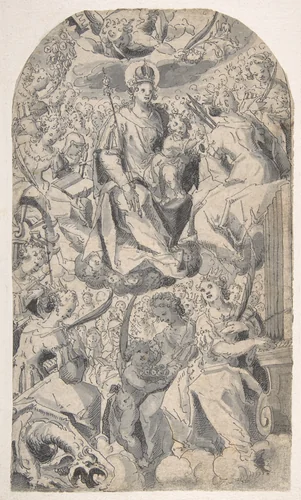
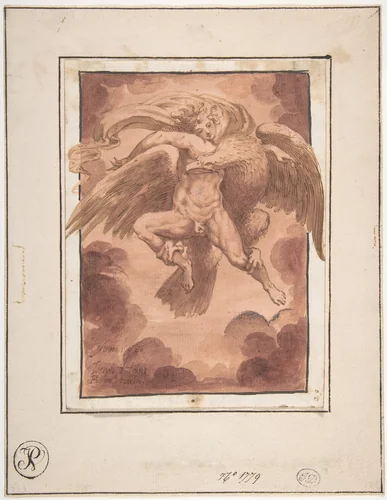
Joseph Heintz the Elder, born in Switzerland, established the family's artistic prestige. He was a versatile polymath, proficient as a painter, architect, and draftsman. His drawings, particularly those demonstrating complex mythological and biblical narratives like Figures Adoring a Statue of the "Magna Mater" and The Resurrection of Christ, showcase the sophisticated academic style favored by Imperial courts in the late sixteenth century. Heintz the Elder excelled at intricate figure composition and allegorical representations, as suggested by works such as the personification study, The Sense of Hearing. Catalogers, perhaps, appreciate the clear distinction provided by ‘Elder’ and ‘Younger,’ as the art historical record otherwise might struggle to separate these two productive lives.
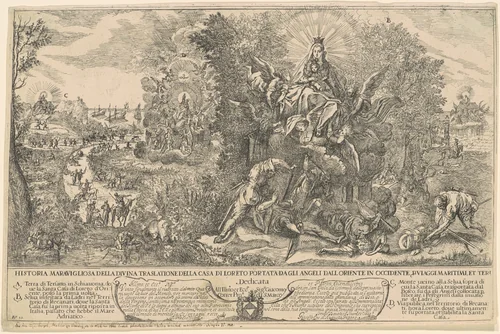
Following in his father's footsteps, Joseph Heintz the Younger maintained the family profession, working primarily as a painter in Germany throughout the mid-seventeenth century. While the Elder focused on courtly patronage and classical themes, the Younger contributed to the expanding visual language of the Baroque era. The continuity between the generations, however, is evident in the technical mastery of drawing and printmaking, a skill crucial for disseminating compositions across European workshops. A surviving print attributed to the family’s output confirms their engagement with reproduction technologies.
Today, the work of both Heintz generations is represented in significant institutional holdings, including the Metropolitan Museum of Art and the National Gallery of Art. Their extensive production of preparatory studies and finished works ensures their ongoing relevance in the study of Renaissance and Baroque drawing traditions. Many of these important works, surviving now as Joseph Heintz prints and original drawings, are available as downloadable artwork through institutional portals, allowing scholars worldwide access to high-quality prints for detailed research.
Source: Wikipedia · CC BY-SA 4.0