Joseph-Ferdinand Lancrenon
Joseph-Ferdinand Lancrenon is recorded in art history documentation primarily based on work dated circa 1817, the year he was actively preparing compositions for major academic pieces.
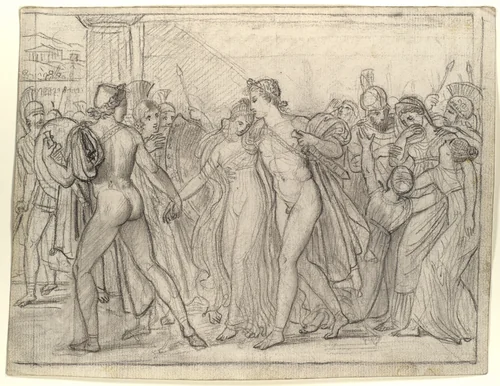
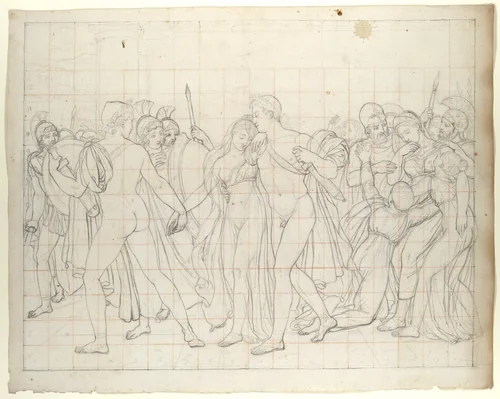
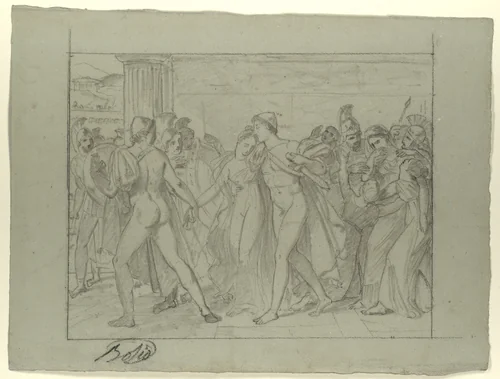
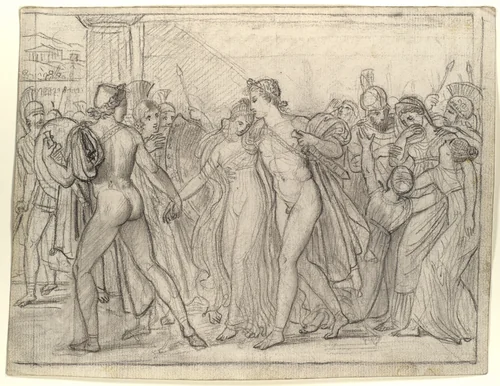
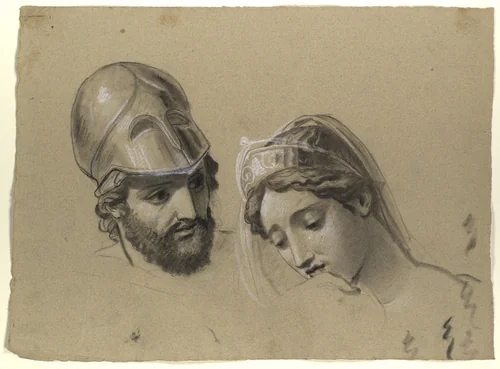
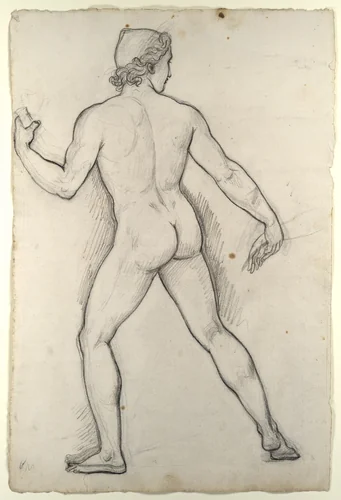
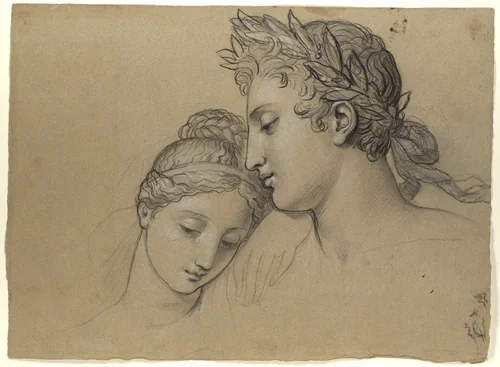
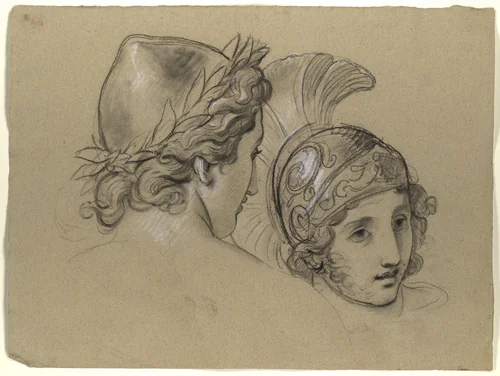
The extant body of work attributed to Lancrenon consists of nine drawings held in the collections of the Metropolitan Museum of Art (The Met). These studies reveal a focus on classical subject matter and the rigorous preparatory process common in early nineteenth-century academic training. The majority of the documented works are focused on a single, ambitious project: the mythological scene Castor and Pollux Freeing Helen.
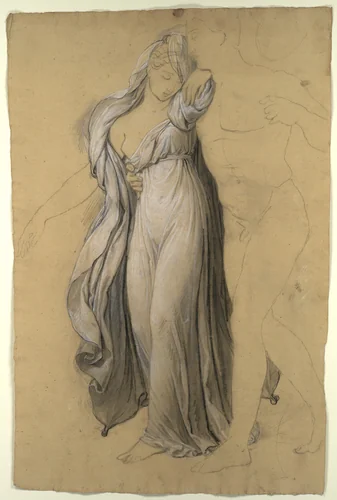
The collection includes multiple preparatory studies, illustrating the artist’s iterative approach to figure placement and composition. Noteworthy examples include several versions of the Composition Study for "Castor and Pollux Freeing Helen", as well as specialized studies such as the Drapery Study for "Castor and Pollux Freeing Helen" and the Group of studies for "Castor and Pollux Freeing Helen". These items establish Lancrenon’s commitment to detailed figure drawing and anatomical accuracy.
Although the artist’s output known today consists exclusively of drawings, his work is preserved in a major institutional collection, establishing his connection to the European academic tradition. These historical studies are often available as high-quality prints through public domain resources, allowing for widespread access to Joseph-Ferdinand Lancrenon prints and related preparatory material.