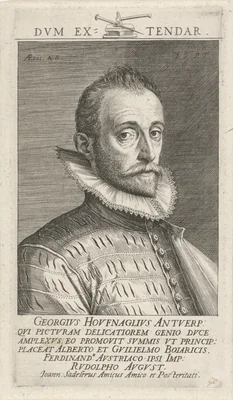
Joris Hoefnagel
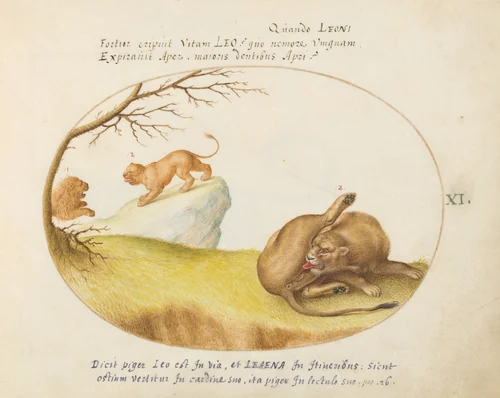
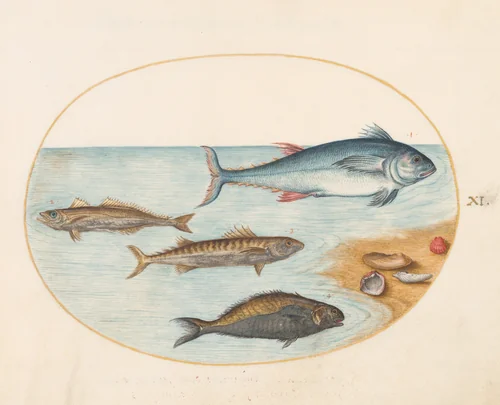
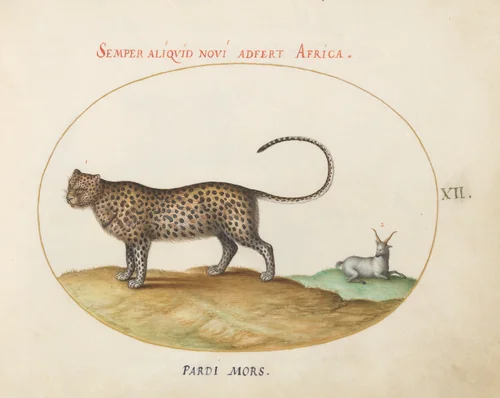
Joris Hoefnagel (1542–1601) was a Flemish master whose exceptionally varied career spanned painting, printmaking, miniature work, and detailed draftsmanship. Unusually for an artist of his stature, he maintained a successful commercial career as a merchant, a profession that financed extensive travel across Europe. Operating at the close of the sixteenth century, he stands as a critical transitional figure, linking the meticulous art of late-Gothic illumination with the burgeoning scientific realism of the Baroque era. His works, held today in major collections such as the Rijksmuseum and the National Gallery of Art, are foundational documents for both natural history and early cartography.
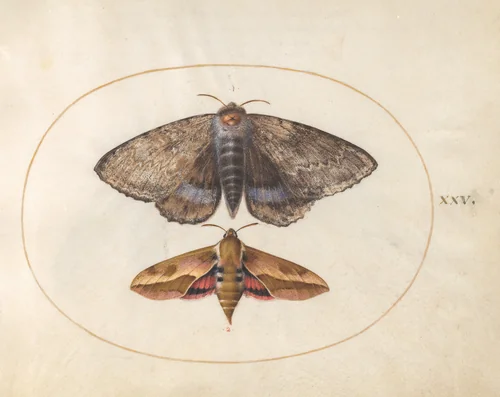
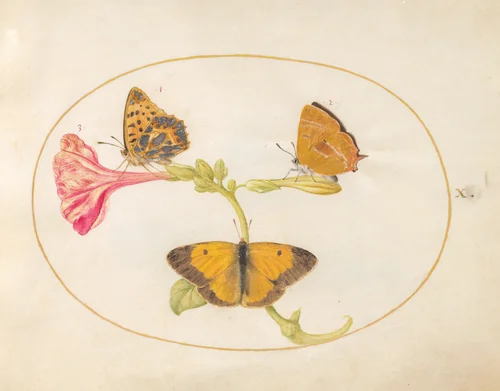
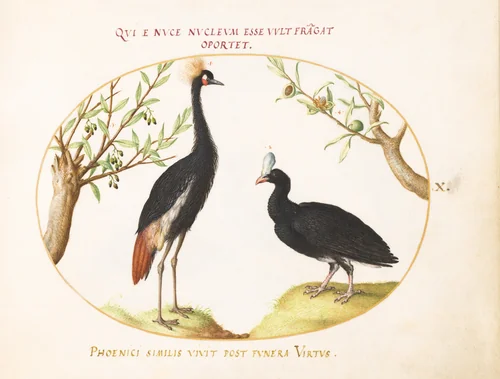
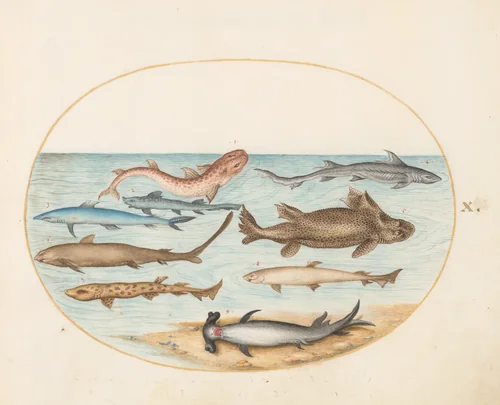
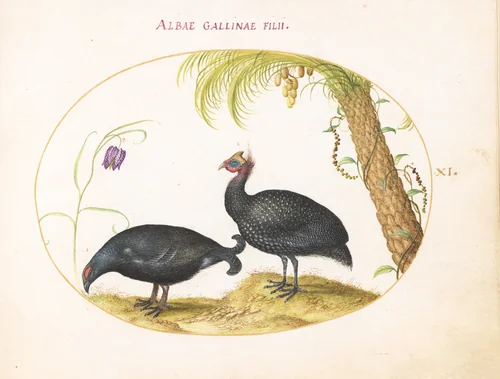
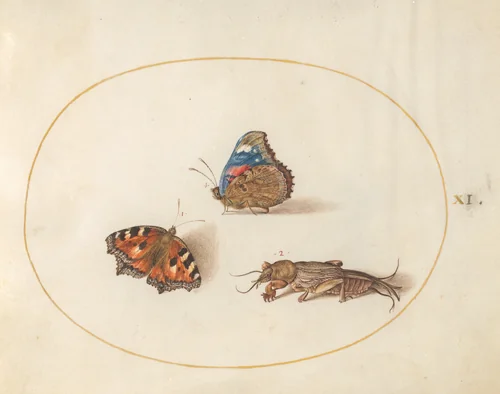
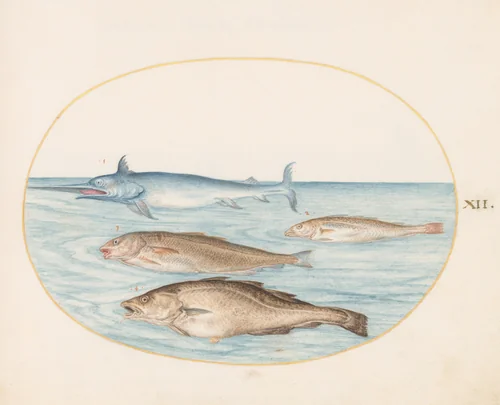
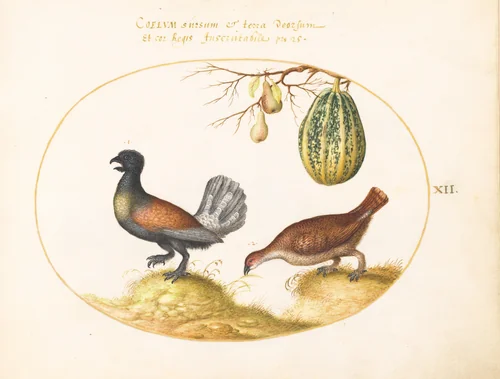
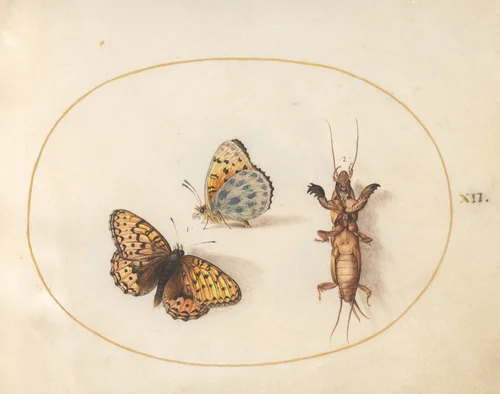
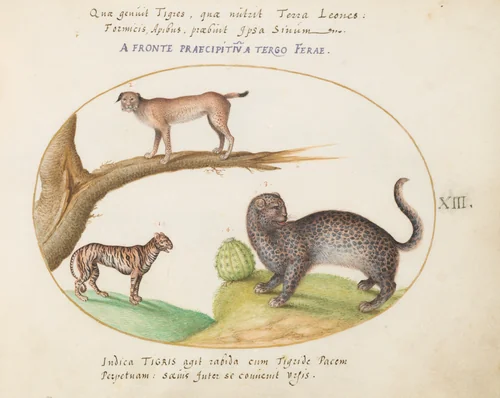
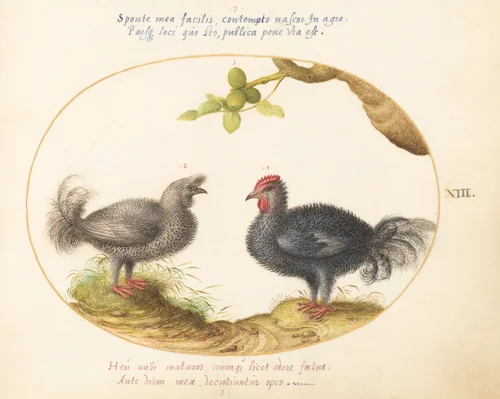
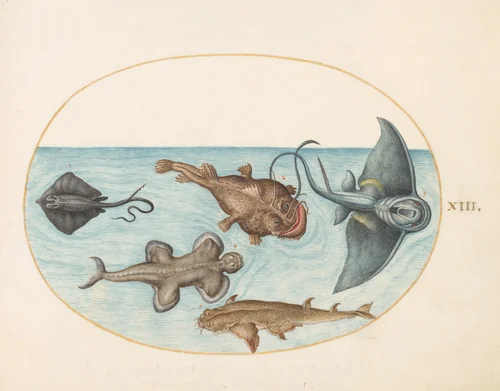
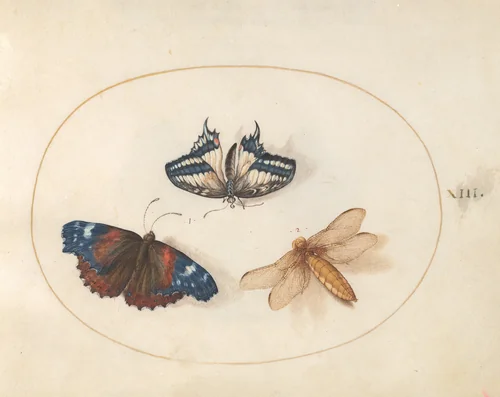
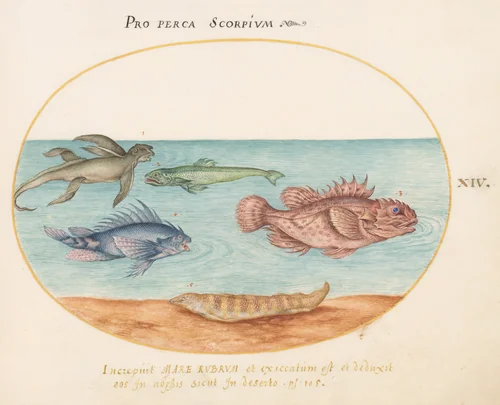
Hoefnagel achieved great renown for his stunningly detailed illustrations of the natural world. Far exceeding the standard decorative quality of his predecessors, his natural history pieces, such as the studies of insects like the Blue Underwing Moth and Spurge Hawk Moth or the grouping of butterflies in Plate 10: Brown Hairstreak, Silver-Washed Fritillary, and Clouded Yellow Butterflies on a Four-o'-Clock Flower, exhibit an almost obsessive scientific precision. He was, arguably, one of the last great practitioners of manuscript illumination, elevating the marginalia and full-page illustrations of luxury books to a new level of objective representation. It is perhaps ironic that one of the final champions of the illuminated manuscript was simultaneously one of the most rigorous observers of the biological world.
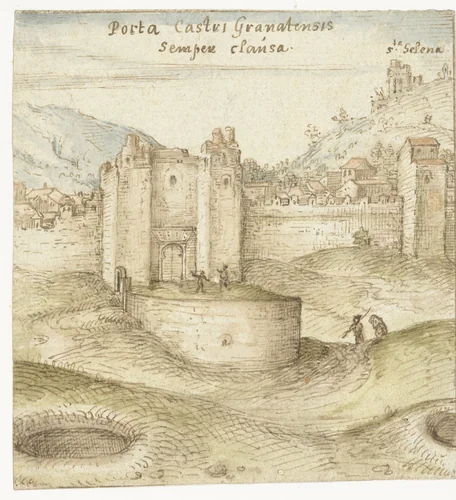
Beyond the intimacy of the miniature, Hoefnagel made a substantial contribution to geographical documentation through his extensive topographical drawings. His precise rendering of locations visited during his travels, exemplified by works like Gesloten poort tot het kasteel (Alhambra) te Granada, significantly advanced the field of objective landscape representation, influencing cartographers and view-makers for decades. As a prolific draftsman and illustrator, his complex body of work ensures his continuing importance. Many of his preparatory sketches and subsequent Joris Hoefnagel prints are now widely accessible, often found as high-quality prints in the public domain, offering contemporary researchers unrestricted access to the visual knowledge that defined the late Renaissance pursuit of objective cataloging.
Source: Wikipedia · CC BY-SA 4.0