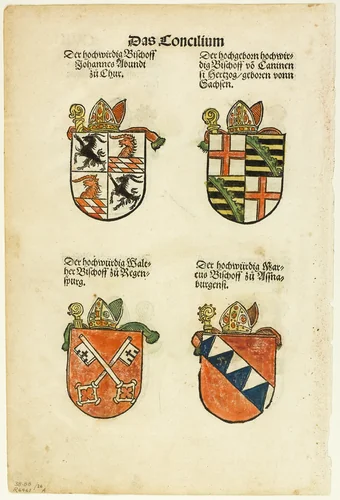
Jörg Breu
Jörg Breu the Elder stands as a foundational master of the early sixteenth-century German Renaissance, recognized as a primary exponent of the expressionistic Danube school. Active between approximately 1500 and 1536, primarily in Passau and Augsburg, Breu’s workshop developed a distinctive style marked by dramatic landscape settings, expressive figures, and an unusual synthesis of spiritual and historical narrative. While the lineage later extended through his son, Jörg Breu the Younger (1510-1547), it is the Elder who established the significant output of paintings and highly detailed graphic work now housed in major institutions globally, including the Metropolitan Museum of Art and the National Gallery of Art.
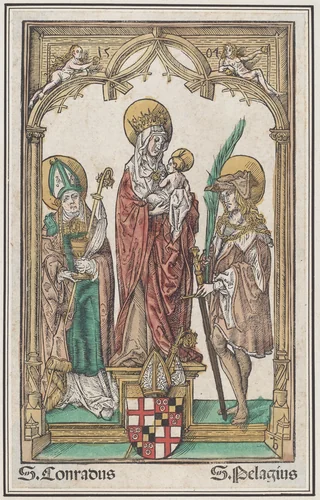
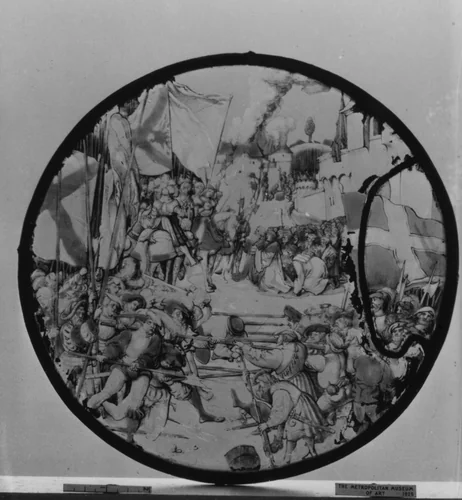
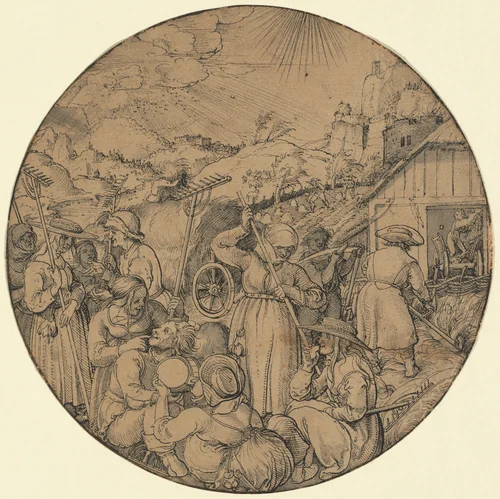
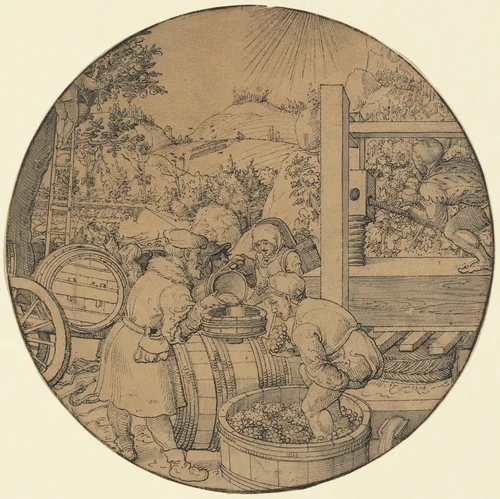
Breu’s technical versatility is evident in the surviving corpus of his work, which encompasses altarpiece painting, design for stained glass, and numerous preparatory drawings and prints. His ability to capture contemporary life alongside historical grandeur is perhaps best exemplified in studies such as The Campaign of the Emperor Maximilian, which provides valuable documentation of military life during the Habsburg era. Yet, he was equally adept at engaging with religious devotion, as seen in the careful execution of works like The Virgin and Child with Saint Conrad and Saint Pelagius.
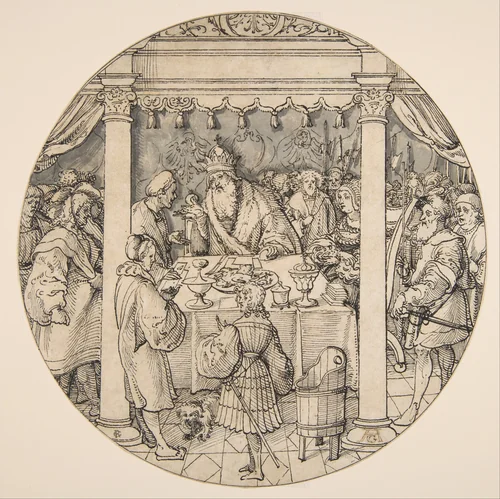
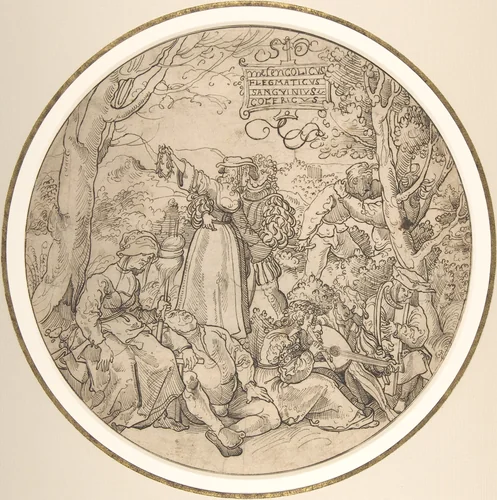
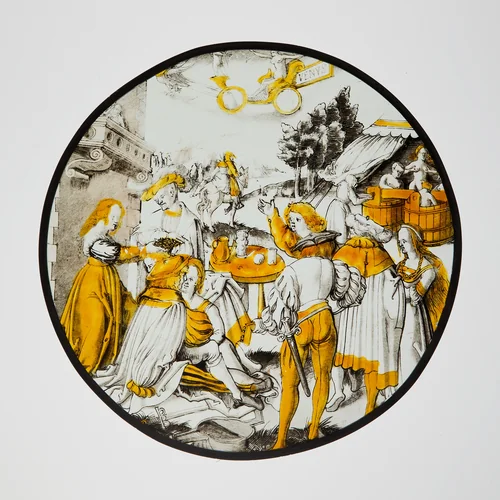
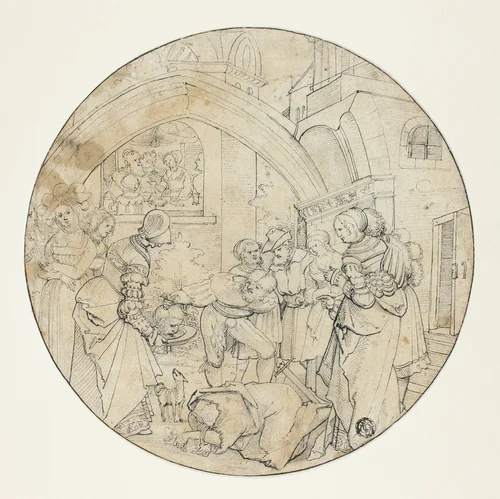
A crucial aspect of Breu’s achievement lies in his sophisticated engagement with humanist and philosophical themes then permeating German intellectual life. This is apparent in specialized commissions exploring classical texts and early scientific thought, represented by works such as Episode from the "Gesta Romanorum": The Emperor and the Page and the visually dense symbolic exploration of celestial influence in the Roundel of The Planet Venus and Her Children. Breu demonstrated a striking facility for distilling complex ideas into compelling visual form.
Today, scholars continue to study the technical mastery evident in his five known drawings and two prints. Due to the historical nature of his medium and the enduring appeal of the Danube school aesthetic, a wide array of Jörg Breu prints and related materials are available for study. His lasting influence ensures that these detailed works, many of which now reside within the public domain, continue to circulate as high-quality prints, allowing modern viewers direct access to the expressive energy of the German Renaissance.
Source: Wikipedia · CC BY-SA 4.0