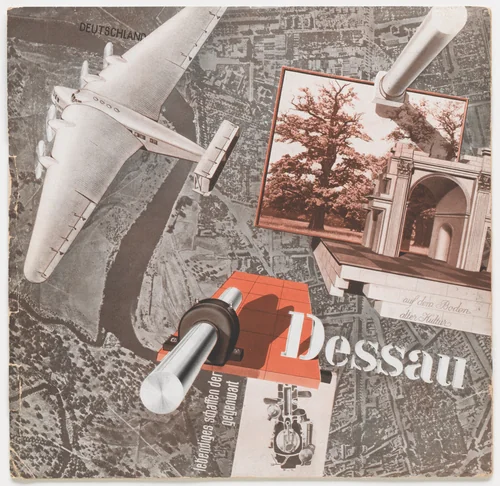
Joost Schmidt
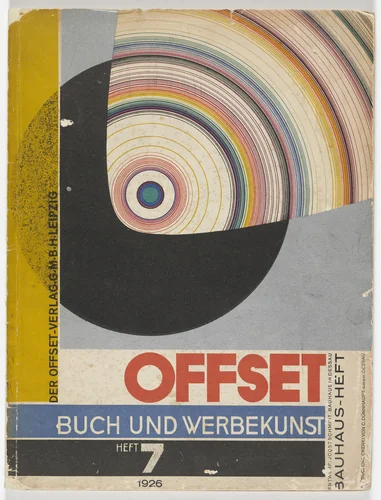
Joost Schmidt (1893–1980) occupies a pivotal position in the history of modernist graphic design, deeply rooted in his dual roles as a visionary typographer and influential educator at the Bauhaus. As a teacher and eventually a master at the school, Schmidt was instrumental in defining the institutional aesthetic, ensuring that the avant-garde principles of functionalism transitioned successfully into practical commercial art.
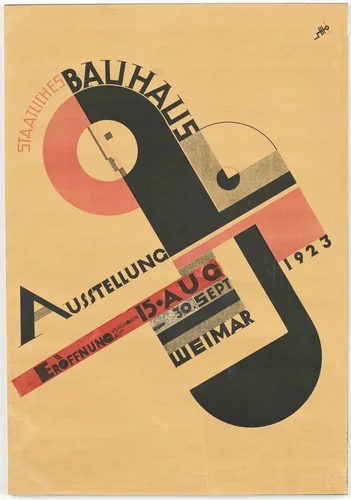
He is perhaps most recognized for designing the famous poster for the landmark 1923 Bauhaus Exhibition in Weimar, Germany. This work, characterized by its strict geometric structuring and dynamic use of sans-serif typography, instantly established a new paradigm for institutional publicity. It set the standard for the visual communications philosophy that would define the Bauhaus era, balancing abstract formal experimentation with absolute clarity and legibility.
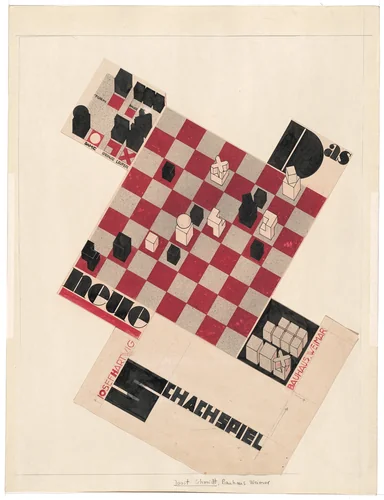
Schmidt’s tenure focused on the integration of form and utility, ensuring that graphic design, much like architecture, was efficient and fit for purpose. His active period, primarily between 1923 and 1928, demonstrated his mastery over the burgeoning field of graphic communication. This period yielded numerous foundational works, including the promotional design for Josef Hartwig’s minimalist checkerboard set, The New Chess Game (Das Neue Schachspiel). The unrealized design exemplifies Schmidt’s commitment to visual purity, taking a complex commercial brief and resolving it through striking geometric reduction.
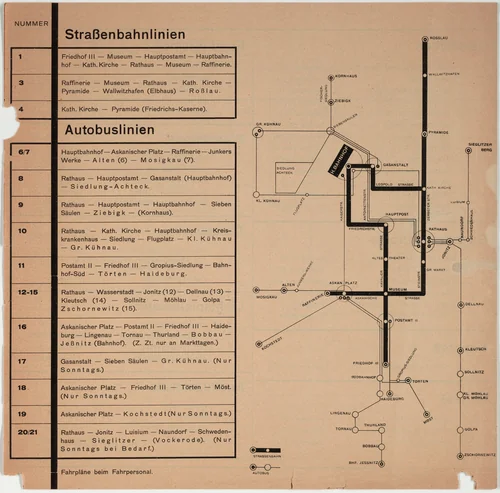
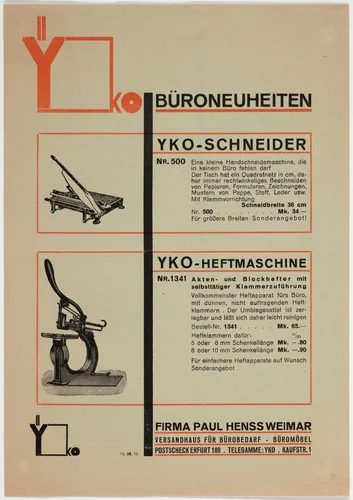
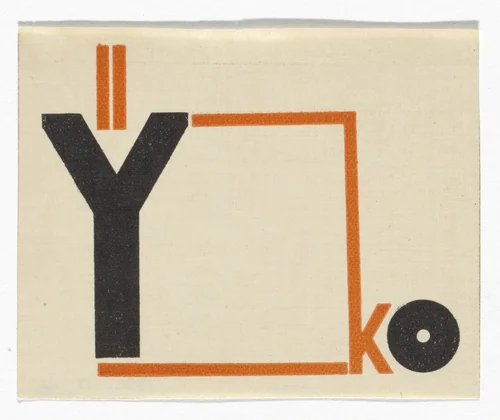
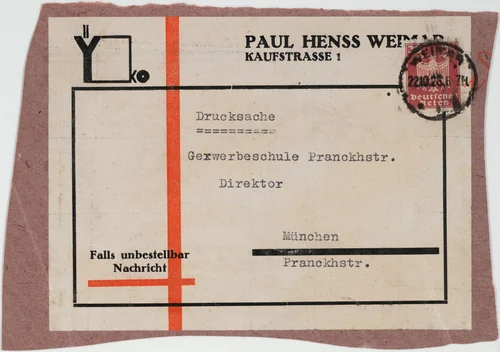
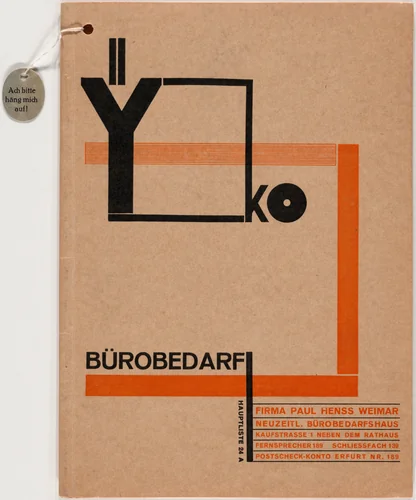
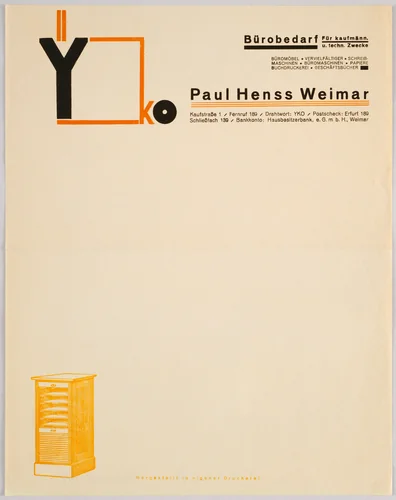
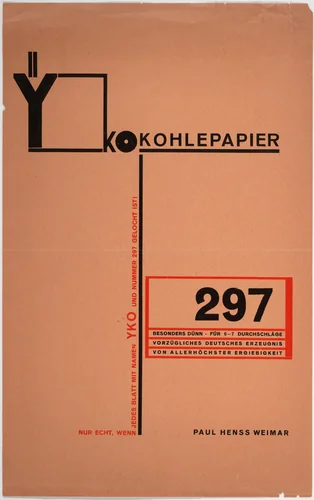
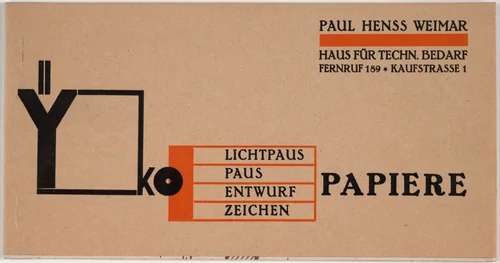
Schmidt applied the severe, functional aesthetic standards of the movement to a range of practical applications, encompassing organizational identity for the Dessau traffic office (Dessau Verkehrsbüro) and corporate labeling (YKO Büroneuheiten, YKO label). His designs possess a certain wry precision; they are highly disciplined yet often retain an almost architectural sense of balance that prevents them from appearing cold or overly industrial. It is notable that, despite his later role as a professor at the College of Visual Arts in Berlin, his most enduring contributions remain concentrated within that brief, explosive period of innovation at the Bauhaus.
Today, Schmidt's foundational graphic works are frequently studied as the exemplar of the New Typography movement. Though his output during this time was relatively concise—the collections of the Museum of Modern Art currently hold fourteen designs and one drawing from this critical period—its influence remains profound. Scholars and enthusiasts seeking museum-quality reproductions of his designs will find that Joost Schmidt prints are becoming increasingly accessible, as many of these foundational works from the early modernist era are now entering the public domain, making downloadable artwork widely available for study and appreciation.
Source: Wikipedia · CC BY-SA 4.0