Joos van Cleve
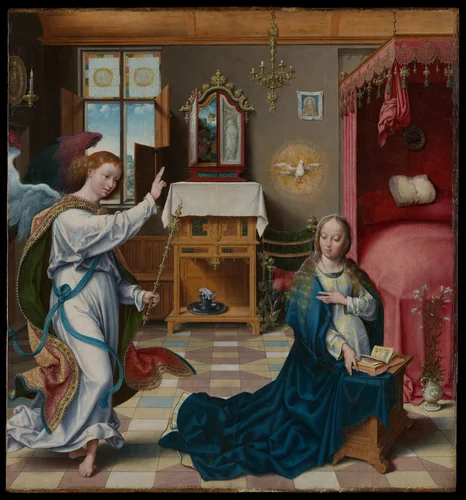
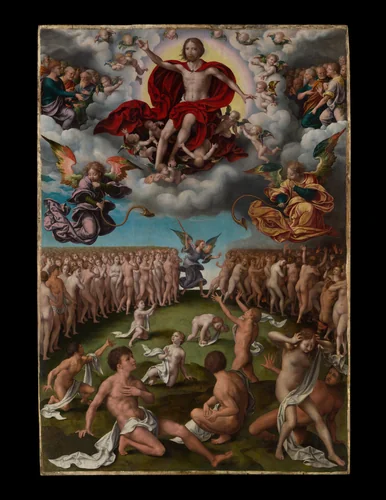
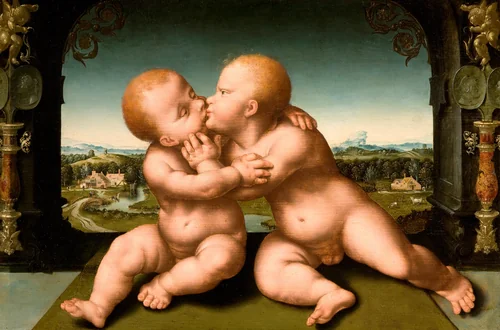
Joos van Cleve (active circa 1507-1540/41) was arguably the most influential painter in Antwerp during the first half of the sixteenth century. Arriving in the metropolis around 1511, he led the local school through a critical period of artistic reorientation. His production exemplifies the sophisticated transition occurring within Dutch and Flemish Renaissance painting, successfully synthesizing the meticulous detail and saturated color palette of the Early Netherlandish masters with the burgeoning humanism and spatial clarity introduced by contemporary Italian Renaissance painting. This hybrid style gave his work immediate commercial appeal, enabling him to operate a highly productive workshop that executed commissions across the European continent.
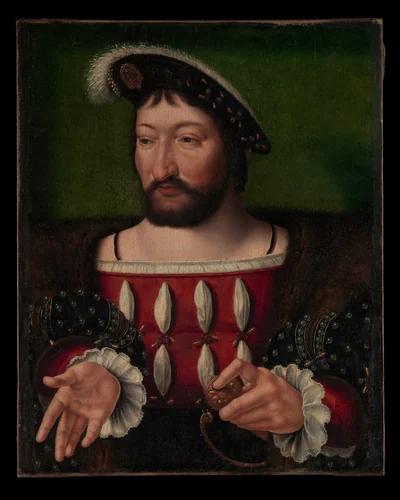
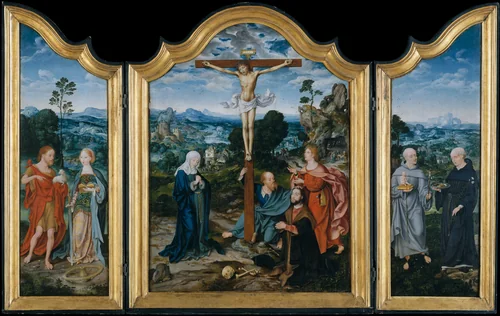
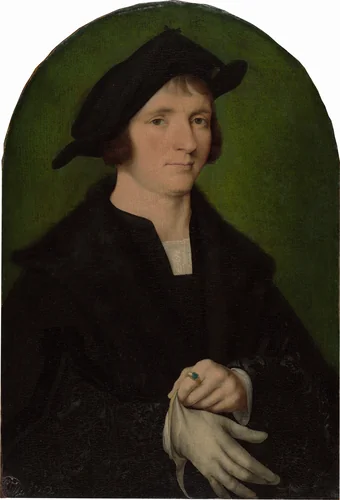
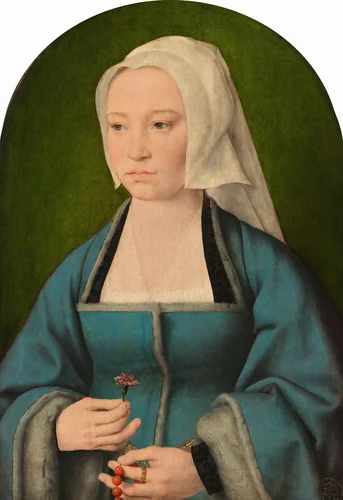
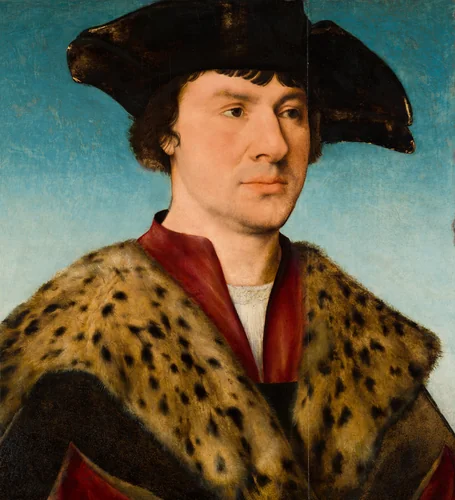
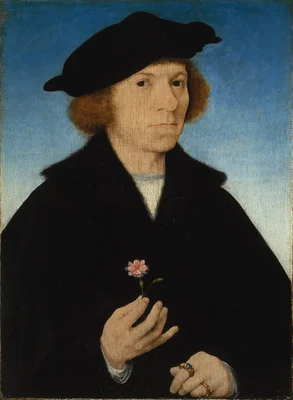
Van Cleve was a formidable portraitist, renowned for his ability to capture both the psychological depth and the sumptuous materiality of his sitters. This penetrating skill is evident in works featuring prominent local figures, such as the companion portraits of Joris Vezeleer and his wife Margaretha Boghe. He also specialized in devotional religious subjects, often utilizing innovative compositions that blended traditional diptych forms with evolving altarpiece formats, as seen in his complex canvas The Crucifixion with Saints and a Donor. Intriguingly, his international reputation was so robust that he secured the patronage of high royalty, including the powerful Francis I, King of France, whose portrait he famously executed (a work now listed in collections as Francis I (1494-1547), King of France).
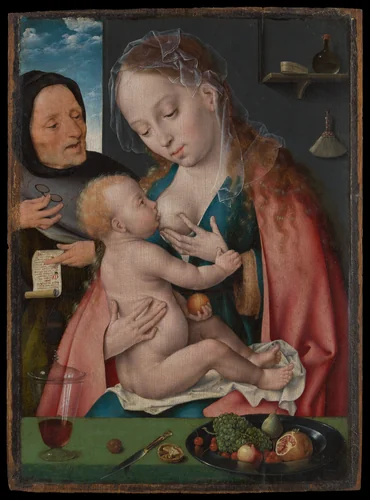
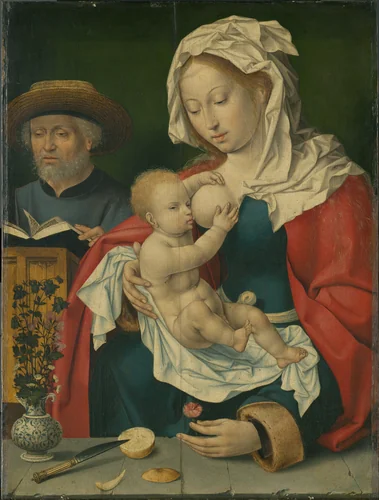
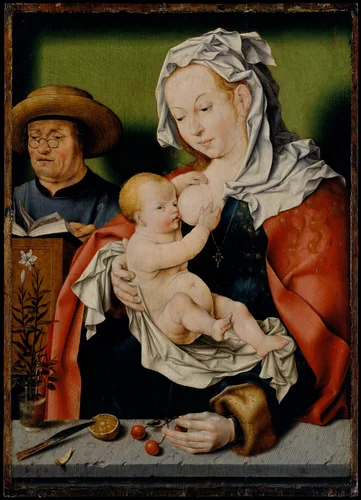
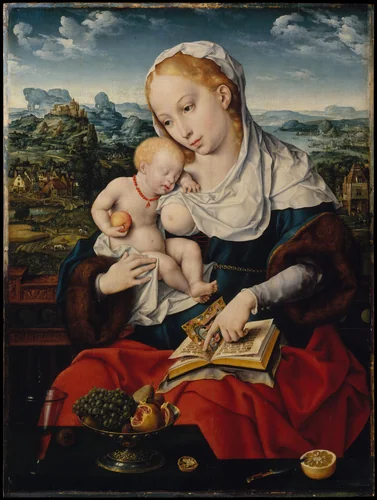
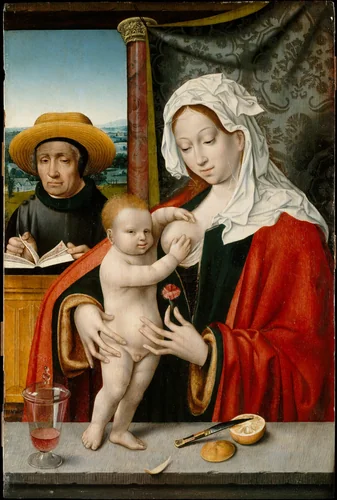
The sustained commercial success of the artist’s studio was rooted in his stylistic versatility and keen market awareness, producing everything from grand altarpieces to smaller, reproducible panels like The Holy Family. In fact, many of his highly favored compositions proved immensely popular, and the subsequent repetition of successful motifs by his studio contributed both to his renown and, occasionally, to historical confusion regarding attribution. This proliferation of production, however, has ultimately ensured a broad and enduring legacy.
Today, the museum-quality craftsmanship of Joos van Cleve paintings can be appreciated in major international institutions, including the Mauritshuis, the Metropolitan Museum of Art, and the National Gallery of Art. Because many of his works have entered the public domain, art enthusiasts worldwide can access and study these iconic images, often available today as high-quality prints for scholarly or personal use, confirming his enduring importance in the history of Northern Renaissance art.
Source: Wikipedia · CC BY-SA 4.0