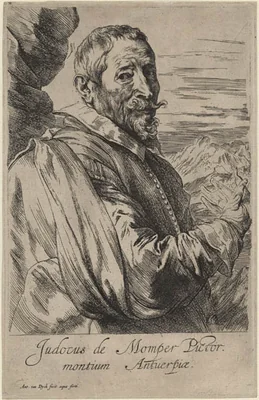
Joos de Momper
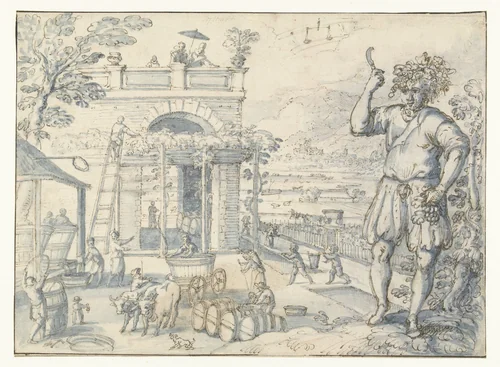
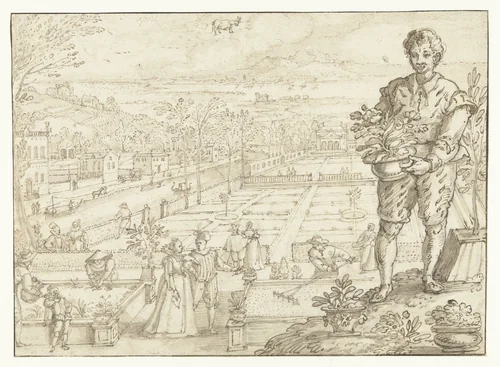
Joos de Momper the Younger (c. 1564-1635) was a preeminent Flemish landscape painter whose expansive career defined the shifting aesthetic sensibilities of Antwerp around the turn of the seventeenth century. His significance lies in his placement at a critical historical juncture, mediating the often-dramatic fantasy inherent in late 16th-century Mannerism and the technical naturalism that would characterize the succeeding era of Dutch and Flemish art.
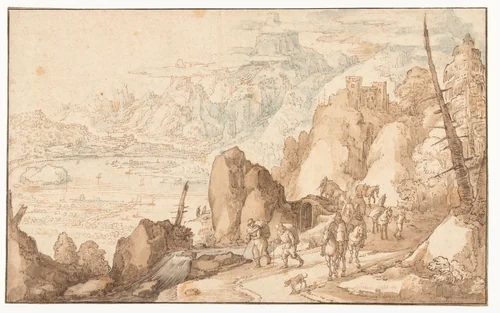
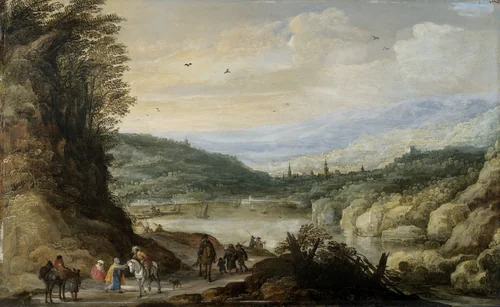
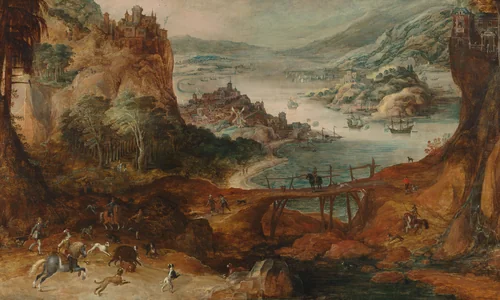
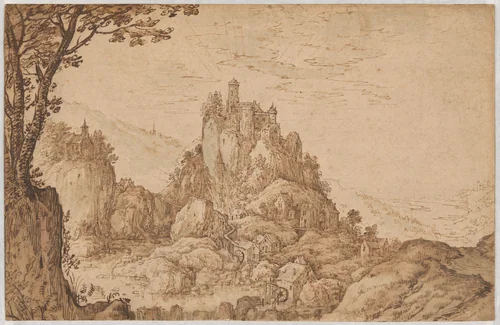
Active prolifically from the 1570s through the early 17th century, Momper achieved considerable success during his lifetime, establishing himself as a master of the panoramic view. The foundational influence of Pieter Brueghel the Elder is clearly legible in many of his compositions, particularly in the adoption of the high, plunging viewpoints utilized in works such as Landschap met reizigers. These compositions often use deep spatial recession and layered coloration to guide the eye across immense tracts of land, resulting in a dramatic, almost cinematic scope.
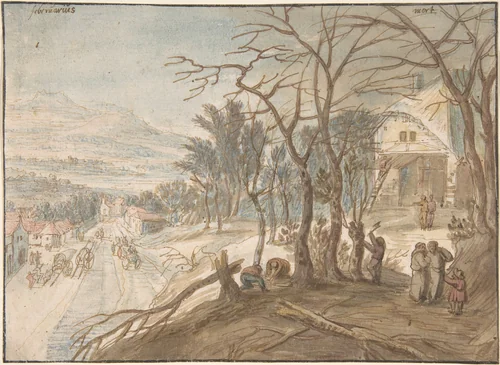
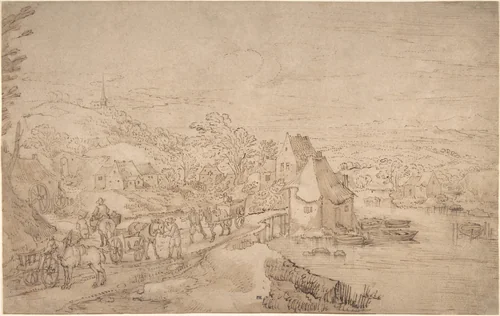
However, Momper’s artistic identity was forged in moving beyond the strictures of the Brueghelian tradition. While his early works feature the highly organized, sometimes topographical structures associated with Mannerism, he increasingly experimented with atmospheric effects and tonal gradation, often lightening his palette. This dedication to empirical accuracy, evident in complex, detailed renderings like River Landscape with Wagons on a Road near a Village, helped usher in the greater realism that would define 17th-century Northern landscape art. Momper effectively documented the transition from the imaginative structure of the world to the observed reality of it.
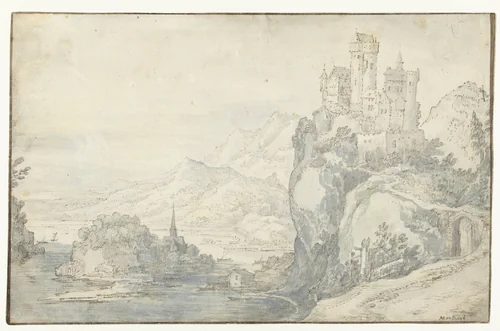
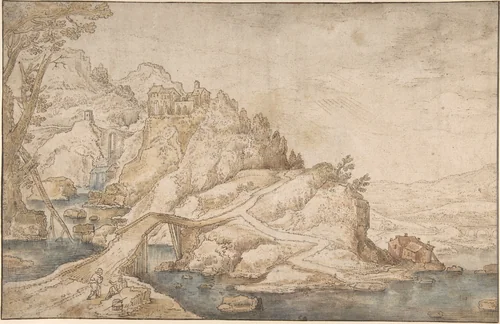
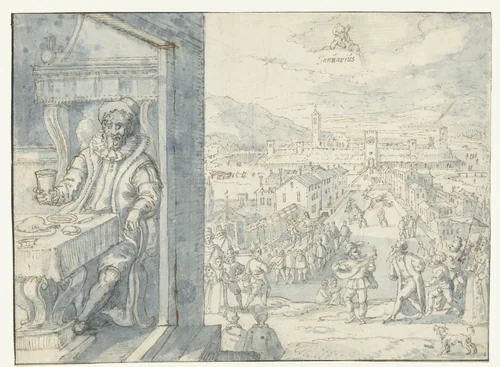
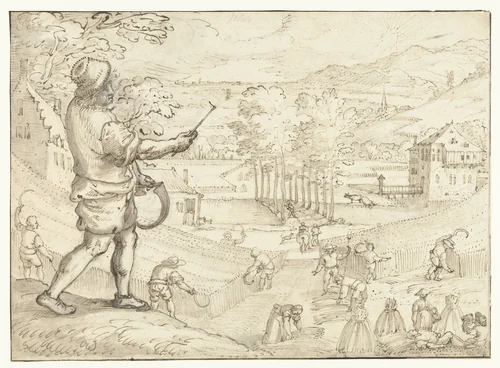
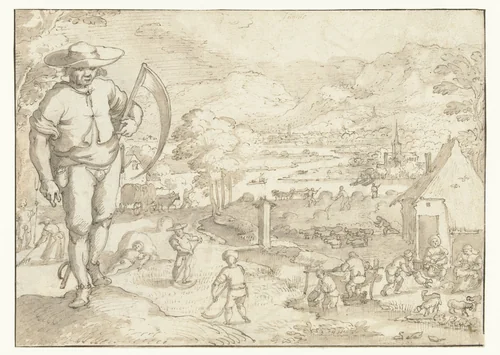
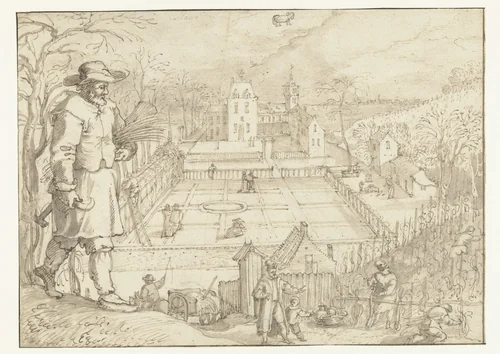
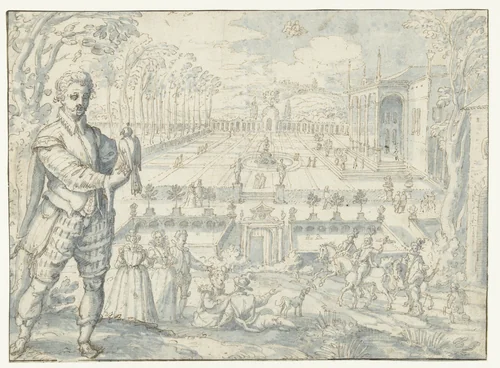
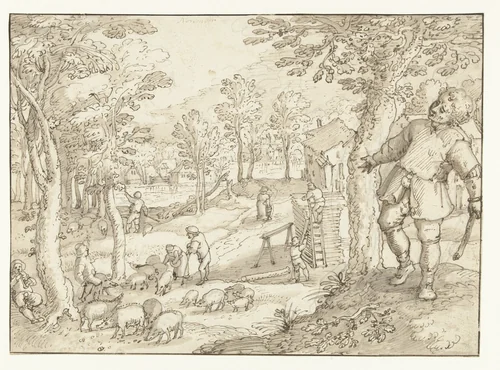
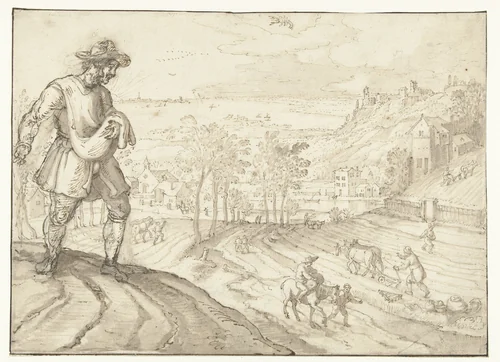
Today, his surviving compositions, including several significant drawings and Joos de Momper paintings, are housed in major international institutions such as the Rijksmuseum in Amsterdam and the Metropolitan Museum of Art in New York. The enduring appeal of these museum-quality works, often accessible to scholars and the public through high-quality prints, ensures that Momper’s decisive contribution to the evolution of the landscape genre remains widely studied for its historical depth and aesthetic command.
Source: Wikipedia · CC BY-SA 4.0