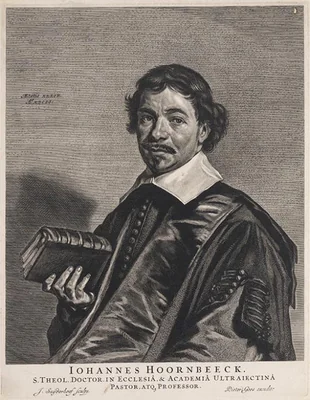
Jonas Suyderhoef
Jonas Suyderhoef (active c. 1620-1645) holds a significant, if often unheralded, position within the constellation of Dutch Golden Age printmakers. Primarily recognized as an engraver, Suyderhoef specialized in translating the rich textural complexity of painted masterpieces into the precise language of intaglio. While his original output seems modest, comprising approximately fifteen documented prints, these works provided essential documentation and popular access to the period’s most celebrated images, often transforming paintings by artists like Frans Hals into widely accessible graphic forms.
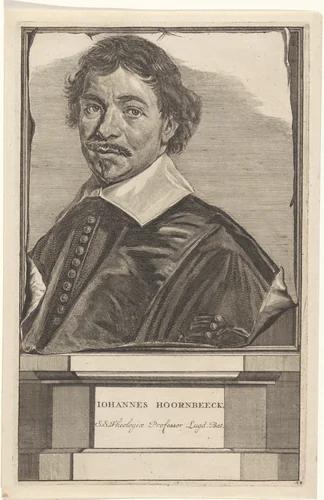
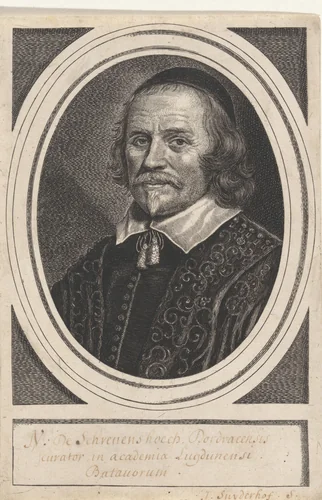
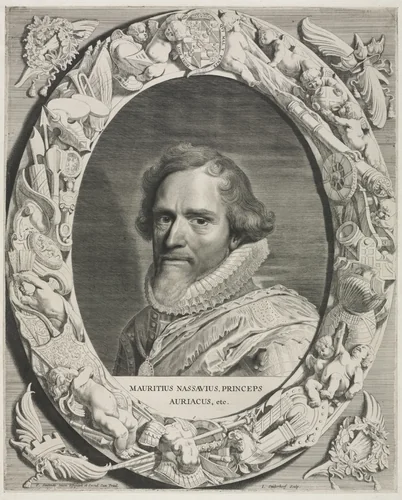
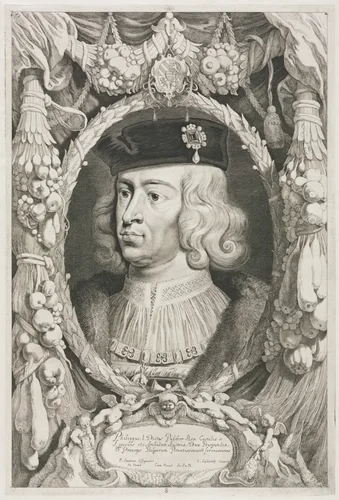
Suyderhoef mastered the burin, demonstrating exceptional control in rendering diverse surfaces, from the fine lace collars of his society portraits to the weathered faces of his genre subjects. His portraiture is particularly lauded; works such as the Portret van Constantijn Huygens and the dignified Portrait of Eleazor Swalmius capture the exacting standards of early 17th-century Dutch identity and professional decorum. Conversely, in pieces like Boeren op het terras voor een herberg and the classical depiction of Drunken Silenus, he proves equally adept at capturing the boisterous or the mythological, showing a versatility crucial to the period's demanding art market. The ability to shift focus so convincingly between high society and everyday tavern life is testament to the engraver's technical skill and market savvy.
Though much of his documented career remains historically opaque, the caliber of his surviving oeuvre speaks volumes about his influence. His high-quality prints were essential instruments of dissemination, establishing visual narratives that transcended the confines of private collections and setting standards for reproductive graphic arts. While often working from existing paintings, the final print was far from a mere copy; it required a distinct conceptual and technical execution, effectively recreating the composition for a monochromatic medium.
Today, Suyderhoef’s work remains a cornerstone of graphic art collections worldwide, represented in depth at institutions including the Rijksmuseum, the Metropolitan Museum of Art, and the Art Institute of Chicago. As crucial documents of seventeenth-century visual culture, many of his documented images are now in the public domain, allowing institutions and researchers to access and study these museum-quality records freely. The enduring presence of Jonas Suyderhoef prints confirms the vital role reproductive engravers played in defining the aesthetics of the Dutch Golden Age.
Source: Wikipedia · CC BY-SA 4.0