John Young
John Young established himself as a prominent and prolific printmaker during the late Georgian and Regency eras, with an active period spanning from 1788 to 1815. While his output of approximately fifteen confirmed works in established catalogs is modest, the institutional regard for his contributions is significant. His legacy is assured through the inclusion of definitive examples of John Young prints in major international collections, including the Metropolitan Museum of Art and the Art Institute of Chicago, confirming his standing in the British school of reproductive engraving.
Young specialized primarily in portraiture, skillfully translating painted originals into widely accessible engraved formats that captured the diverse spectrum of contemporary British society and historical interest. His portfolio demonstrates a sophisticated responsiveness to the market demands of the time, moving fluidly between subjects of high society and those rooted in specific historical documentation.
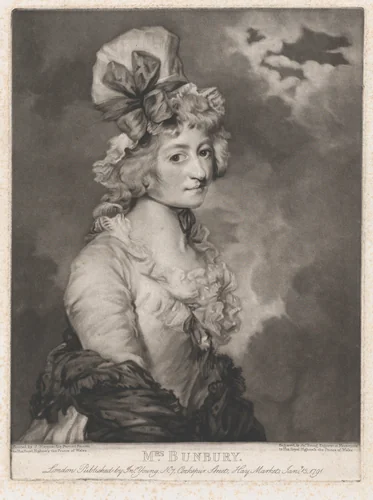
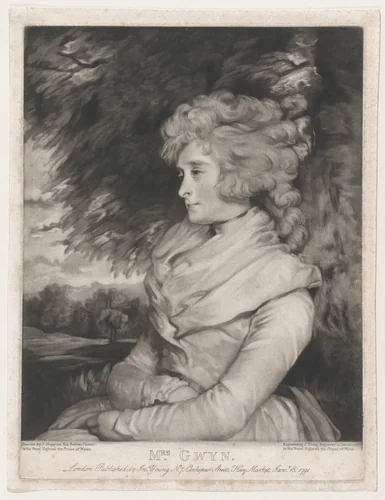
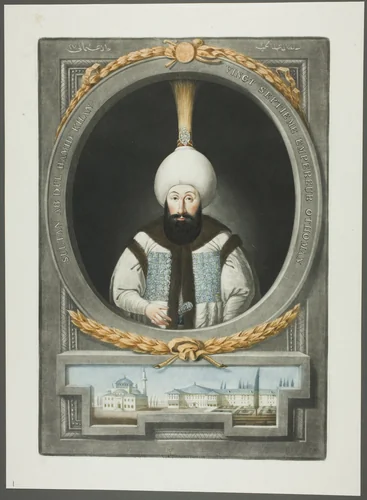
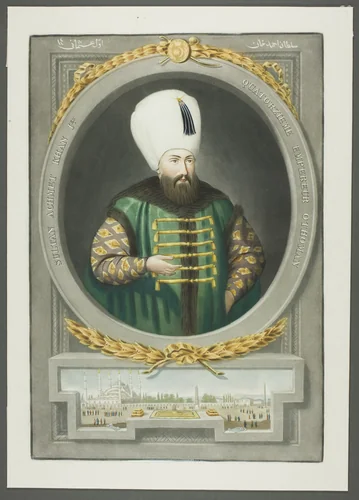
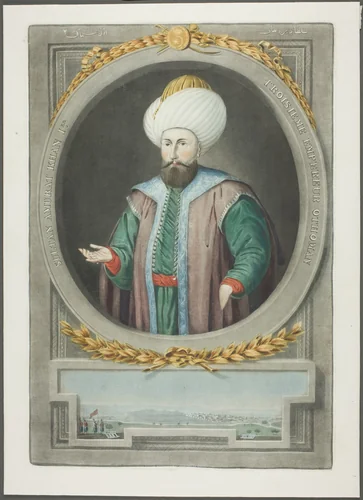
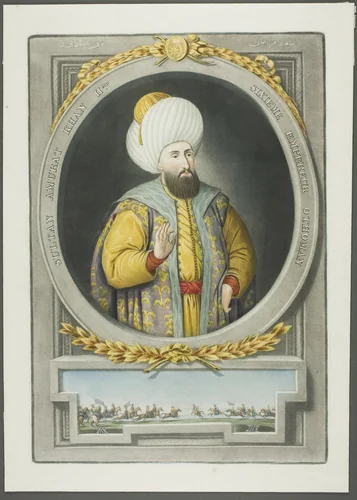
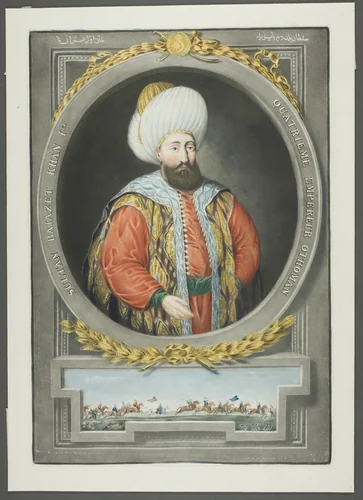
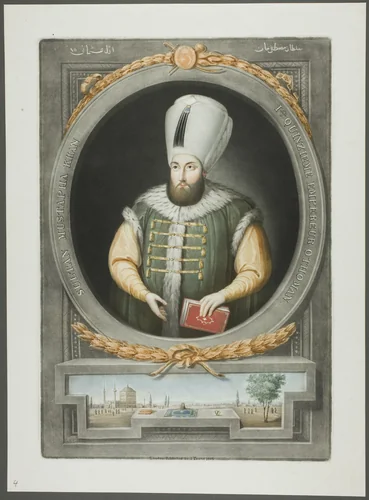
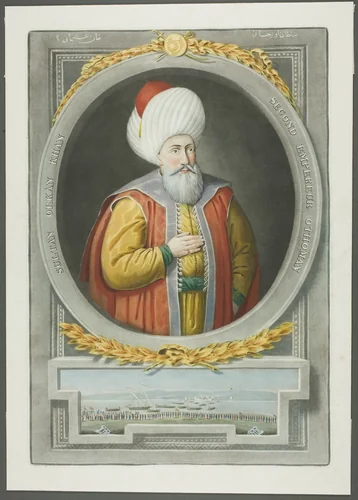
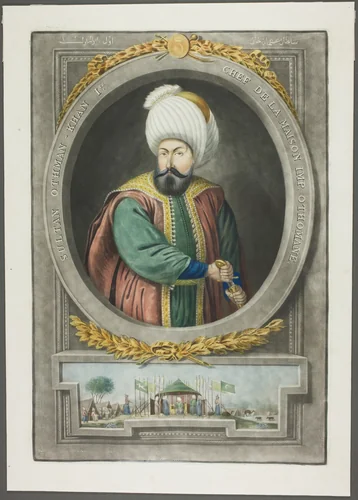
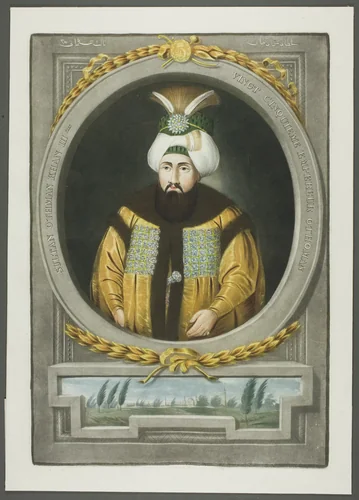
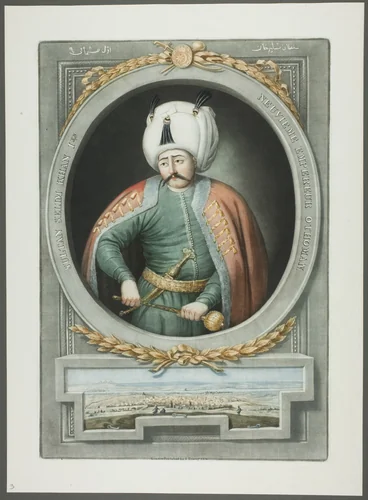
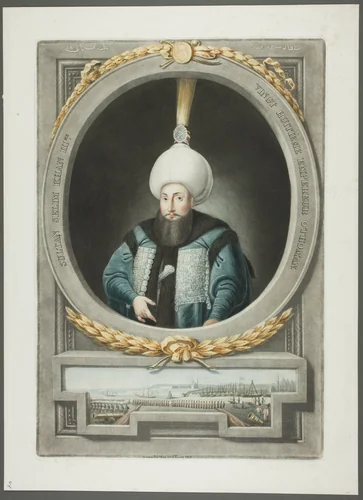
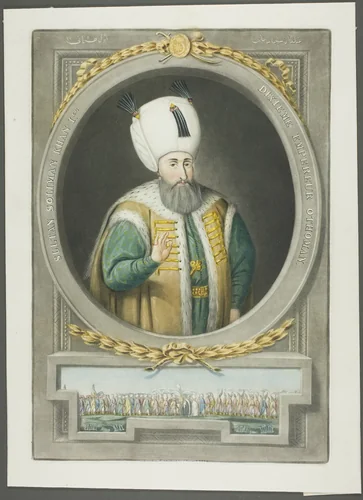
His most celebrated works include society portraits such as the elegant Mrs. Bunbury and the equally striking Mrs. Gwyn. Yet, the breadth of his artistic curiosity is best illuminated by the concurrent execution of strikingly disparate subjects. Young produced detailed, historically significant depictions for series like Portraits of the Emperors of Turkey, exemplified by Abdul Hamid Khan and Achmet Kahn I, ensuring these figures of distant Ottoman history were visually introduced to the European public.
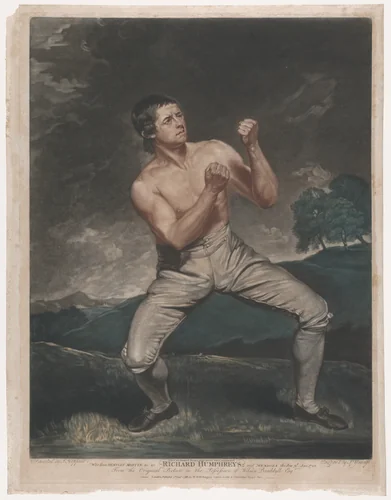
Perhaps the most fascinating element of Young’s output lies in his ability to capture figures of immediate, though often fleeting, public fascination. His portrait of Richard Humphreys, the Celebrated Boxer Who Never Was Conquered, memorialized a national celebrity in the specialized world of sport—an intriguing historical document made all the more engaging by the assertion of Humphreys' undefeated status. This juxtaposition of the Ottoman Sultanate with the professional bare-knuckle fighter underscores the eclectic nature of visual culture at the turn of the nineteenth century.
Young’s contribution was essential in the democratization of imagery, ensuring that works which might otherwise have remained sequestered in private collections found broader visibility. Today, many of these museum-quality engravings are widely distributed as high-quality prints, allowing modern audiences to appreciate the skill and precision inherent in his technical mastery. The enduring availability of these works speaks to their informational and aesthetic value, cementing John Young’s place as a vital chronicler of the period.
Source: Wikipedia · CC BY-SA 4.0