John Yenn
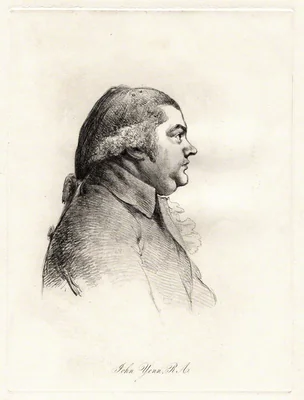
John Yenn (1750–1821) remains a compelling, if subtle, figure within the history of 18th-century design. Identified primarily as a notable English architect, his surviving body of work, active around 1770, provides a uniquely focused insight into the minutiae of domestic Neoclassical aesthetics during the late Georgian period. While the legacy of many contemporaries rests on monumental exterior structures, Yenn’s contribution is preserved largely through a small but highly finished corpus of fourteen known architectural drawings.
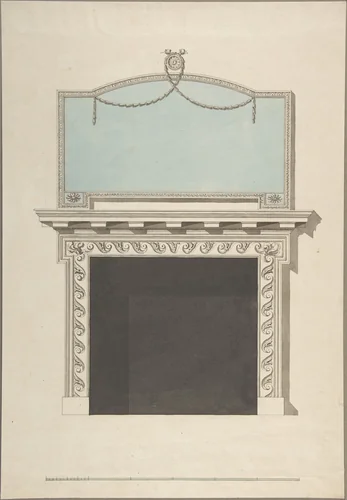
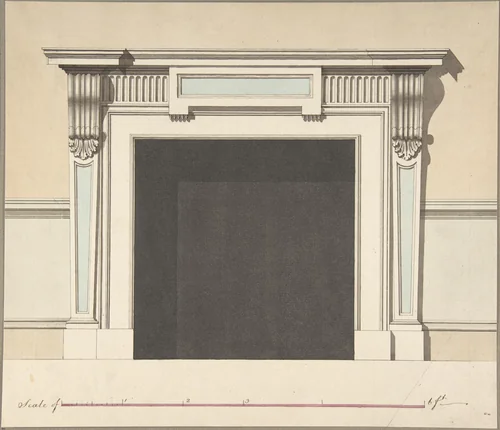
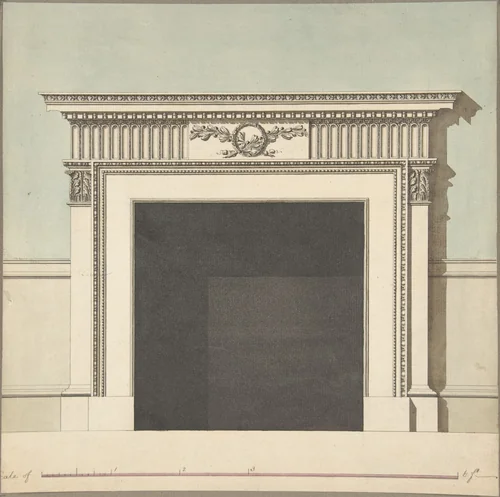
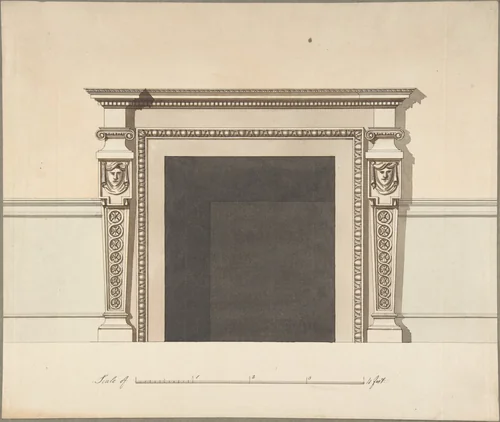
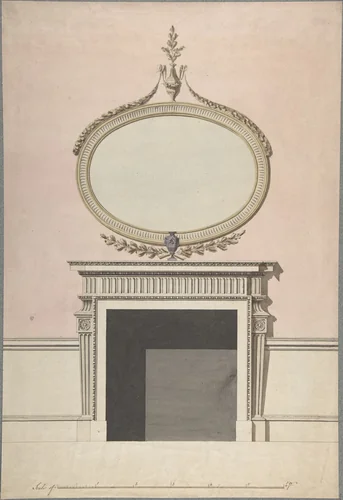
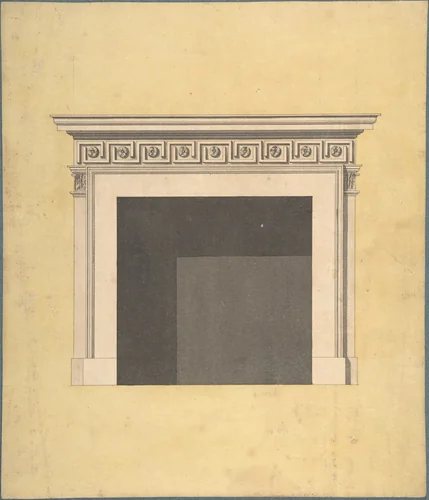
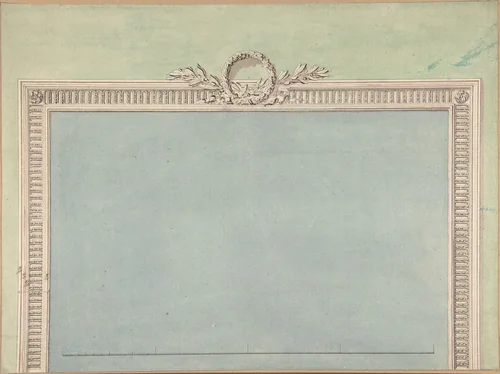
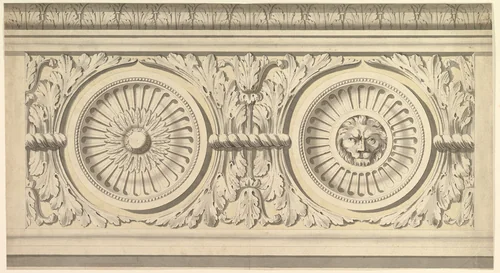
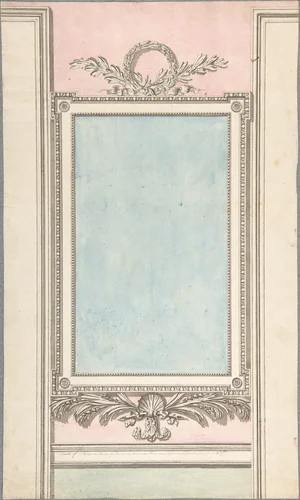
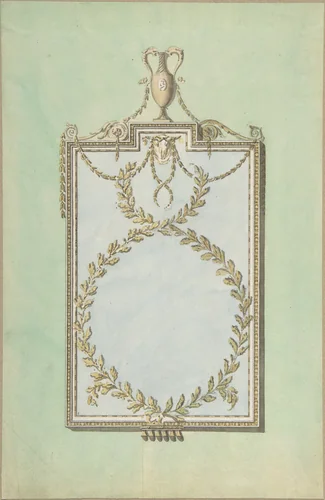
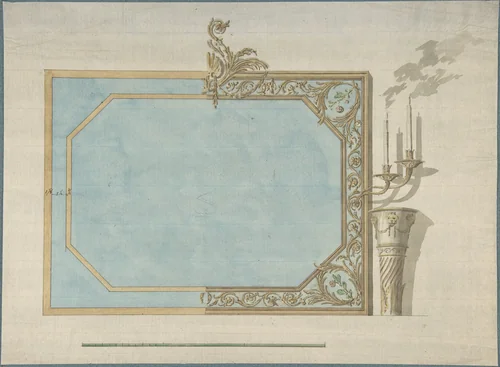
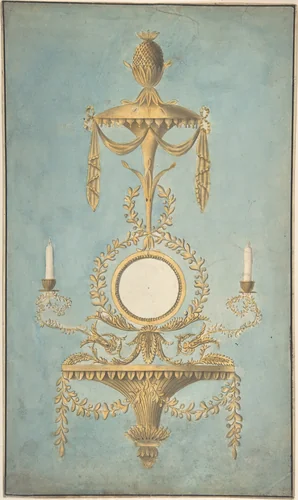
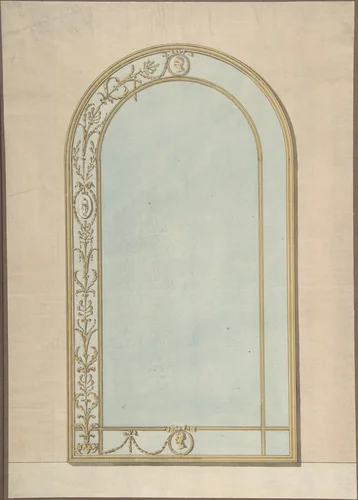
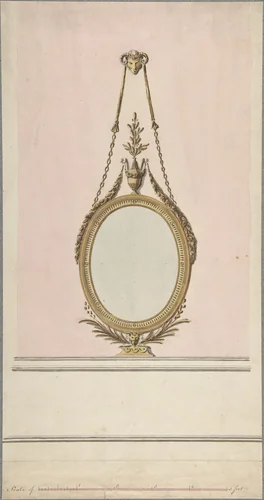
These drawings reveal a designer deeply versed in the calibrated elegance required by the period’s gentry. The most substantial portion of his extant work, notably the series titled Design for a Chimneypiece held in institutions such as the Metropolitan Museum of Art, illustrates Yenn's precision in interior fittings. Far from being mere decorative sketches, these are detailed, functional schematics for the construction of fireplace surrounds. They stand as primary documents detailing the translation of classical motifs—such as fluting, key patterns, and restrained scrollwork—into the domestic sphere.
The repetition of the chimney design subject emphasizes the tremendous aesthetic importance placed upon the hearth in 18th-century life. It is an understated reminder that the defining taste of the Georgian age was often expressed with the greatest fervor not on the grand facade, but in the detailed, intimate space surrounding the fire. Yenn’s draftsmanship demonstrates an assured command of perspective and shading, necessary skills for communicating complex technical specifications to masons and carvers.
Though his output is modest, the sheer quality and specific utility of these surviving drawings ensure Yenn’s enduring relevance to design historians. Today, this detailed record of 18th-century taste is readily accessible; representations of John Yenn prints are often available, sometimes entering the public domain through major institutional digitization efforts. These high-quality prints ensure that the precise, measured elegance of the period’s interior architecture remains available for scholarly examination, safeguarding his legacy not just as an architect, but as a masterful designer of the English interior.
Source: Wikipedia · CC BY-SA 4.0